A flea problem in the living room, ants near the pet bowl, or roaches under the kitchen sink can make any pet owner worry about what comes next. Are pest treatments safe for pets? When the treatment is selected for the pest, applied correctly, and paired with clear preparation and re-entry instructions, professional pest control can be used safely in pet-friendly homes. The key is not treating every product or every situation as the same.
Pets are part of the household, not an afterthought. A responsible pest management plan considers the type of pest, where it is active, the species and habits of the pets in the home, and how to resolve the issue with the least necessary exposure. That matters in Florida, where year-round warmth can keep fleas, mosquitoes, ants, roaches, and other pests active long after many homeowners expect them to disappear.
Are pest treatments safe for pets? It depends on the plan
The honest answer is that safety depends on the product, the application area, the dose, and whether directions are followed. A treatment approved for indoor crack-and-crevice use is different from a lawn treatment. A targeted bait placement is different from a broad surface application. A pet that stays in a crate is different from a curious puppy that licks floors, chews objects, and investigates every corner.
Professional pest control is designed around product labels and application standards. The label identifies where a product may be used, how it should be applied, and the precautions needed to protect people and animals. A trained technician should not use a one-size-fits-all approach. They should identify the pest pressure, locate likely entry points and nesting areas, and use the most focused method that will solve the problem.
That targeted approach often reduces unnecessary treatment. For example, ants may be best addressed with carefully placed bait and exclusion work rather than spraying every indoor surface. Rodent activity may require securing food sources, sealing access points, and placing tamper-resistant stations where pets cannot reach them. Each pest calls for its own solution.
Why untreated pests can also put pets at risk
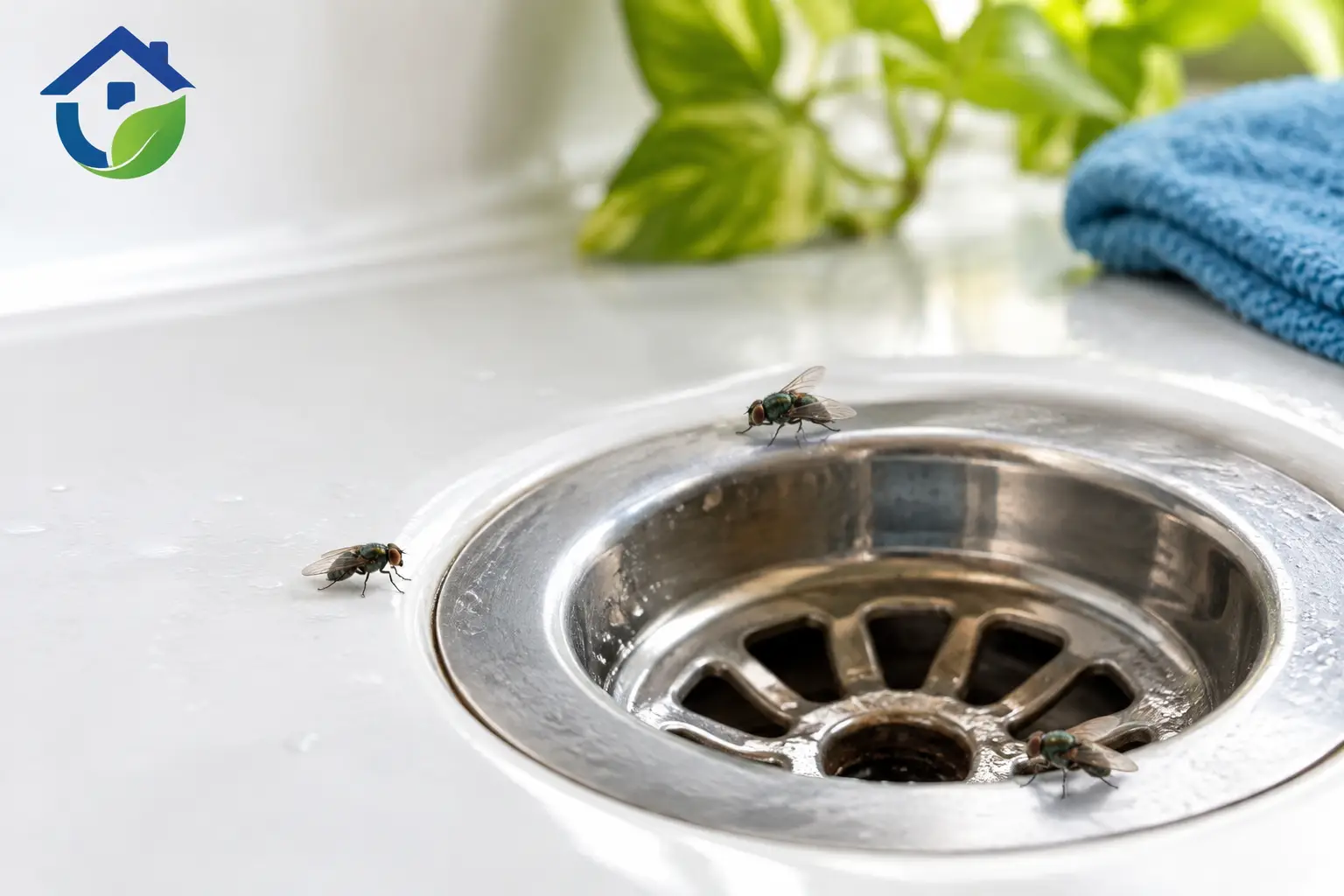
Avoiding treatment altogether may feel like the safest choice, but an active infestation can create risks of its own. Fleas and ticks can irritate skin and may carry disease. Rodents can contaminate food and surfaces with droppings and urine. Roaches can aggravate allergies, while mosquitoes can make time outdoors uncomfortable for both pets and people.
The goal is not simply to use a pesticide. The goal is to reduce the health, sanitation, and property risks created by pests while controlling exposure during treatment. That is why prevention, inspection, exclusion, sanitation, and targeted application should work together.
A good plan also recognizes that a pest issue is rarely solved by a single visible insect. Seeing a few roaches may point to moisture, food access, or hidden harborage. Finding fleas on a pet may mean eggs and larvae are developing in bedding, rugs, upholstered furniture, or shaded outdoor areas. Treating only what is visible can allow the cycle to continue.
Pets that need extra consideration
Dogs and cats are the most common concern, but they are not the only animals that need protection. Birds, fish, reptiles, small mammals, and backyard animals can have very different sensitivities and care requirements.
Birds are especially sensitive to airborne substances. If you keep birds indoors, tell the pest professional before service is scheduled. They may need to be moved from the treatment area, and the technician can explain whether the planned method requires additional precautions.
Aquariums also deserve special attention. Fish and other aquatic animals can be affected by certain materials used around the home or yard. Keep aquarium lids secure, cover tanks as directed, and ensure pumps or air systems are handled according to the technician’s instructions. Never assume that a treatment safe around a dog or cat is automatically safe for fish.
Reptiles, hamsters, guinea pigs, rabbits, and other small pets should be moved from the treatment area along with their cages, food, bedding, and toys when appropriate. The same goes for pet food and water bowls. These simple steps prevent direct contact with products and reduce the chance of a pet consuming residue from an item left out during service.
What to do before a pest treatment
Clear communication before the appointment makes the biggest difference. Tell the pest control company what animals live in the home, where they spend time, and whether any pet has special medical needs, a tendency to chew, or a habit of licking floors and baseboards. Mention fish tanks, bird cages, outdoor kennels, and pet doors as well.
Before service, remove pet food, water bowls, toys, bedding, and loose items from areas being treated. Store food in sealed containers and pick up any treats or chews. If your pet uses a litter box, crate, or bed near an active pest area, ask whether it should be moved temporarily.
Follow the preparation instructions you receive rather than relying on general advice from a neighbor or an old internet post. The right preparation can vary based on whether the treatment is indoors, outdoors, focused on fleas, aimed at a kitchen pest issue, or part of a rodent-control plan.
It is also wise to plan where your pets will be during service. Many households take dogs for a walk, keep cats in an untreated room, or arrange for animals to stay with a family member for a short time. The technician should explain when it is appropriate for pets to return.
What to do after treatment
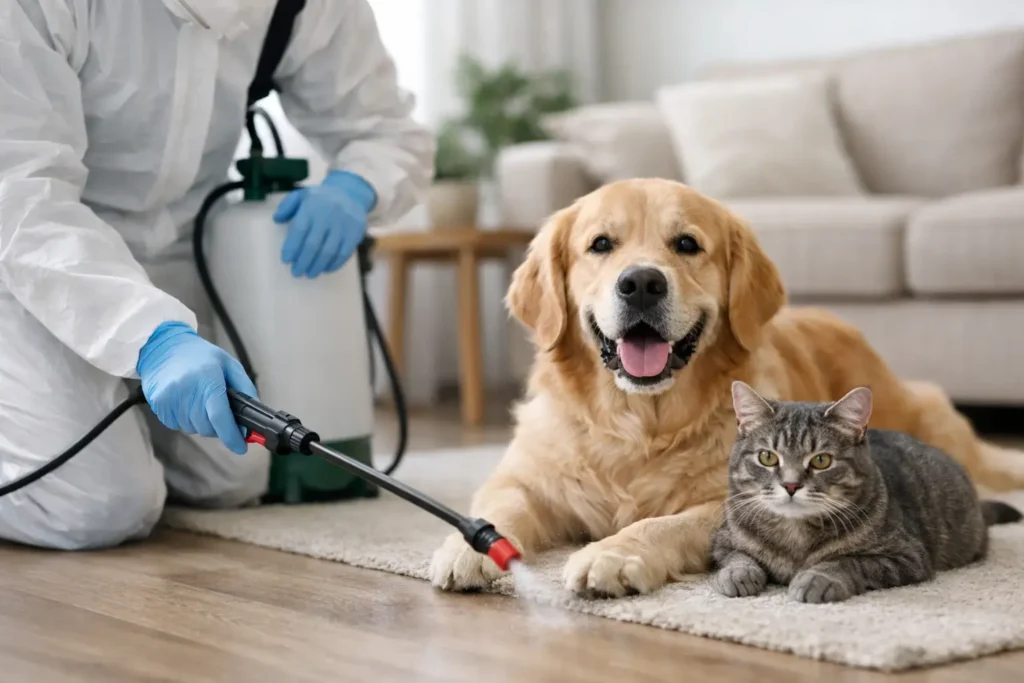
The most common re-entry instruction is to keep pets away from treated surfaces until they are completely dry. Drying time can vary with the product, ventilation, humidity, and application type. Florida’s humidity can affect how quickly outdoor and indoor surfaces dry, so follow the specific timing provided by your technician.
Once you return pets to the home, do not immediately mop, wash baseboards, or clean treated cracks and edges unless you have been instructed to do so. Cleaning too soon can remove the treatment before it has had time to work. At the same time, wipe down food-preparation areas if they were not excluded from service, and always follow the technician’s directions for your particular treatment.
Watch pets normally after they come back inside. Most pets have no issue when instructions are followed, but contact a veterinarian promptly if you believe your pet has directly contacted or swallowed a pest control product, or if you notice unusual drooling, vomiting, tremors, breathing difficulty, severe lethargy, or other concerning behavior. Have the product information available if possible. Quick, accurate details help a veterinary professional advise you.
Outdoor treatments and pet safety
Yard treatments can be helpful for mosquitoes, fleas, ticks, fire ants, and other outdoor pests, but pets should be kept off treated grass, landscaping, patios, and other surfaces until the product has dried or the stated re-entry period has passed. This is particularly important for dogs that roll in grass, eat vegetation, or drink from puddles.
Ask your technician to point out the areas being treated. If your dog has a favorite digging spot or your cat uses a specific garden bed, mention it. A tailored plan may focus on pest harborage areas, shady flea-prone zones, fence lines, entry points, or vegetation where mosquitoes rest rather than treating areas that do not need service.
Avoid letting pets drink from standing water after treatment. Keep outdoor food bowls covered or indoors, and make sure pet waste is picked up regularly. Good yard sanitation supports pest control and makes the property less inviting to flies, rodents, and other unwanted visitors.
Choosing a pet-conscious pest control provider
A trustworthy provider should welcome questions about your animals. You should never feel rushed into service without knowing what will be treated, what you need to move, and when your pets can safely return to the area.
Look for a company that begins with an inspection and pest identification, rather than assuming every bug problem needs the same product. Ask whether the treatment will be targeted, what preparation is required, and what follow-up may be needed. Some infestations require more than one visit because eggs hatch, pests return from nearby areas, or the conditions that attracted them have not been corrected.
Florida Bug Control approaches pest problems with practical, pet-aware planning and clear instructions. If pests come back, so do we, because lasting control often depends on follow-up as much as the first visit.
The safest result is a controlled pest problem
Pet safety is not about choosing between a pest-filled home and an unpredictable treatment. It is about making informed decisions, using targeted professional methods, and following the preparation and re-entry guidance that fits your household. Tell your technician about every animal in and around the property, ask the questions you need answered, and give treatments time to dry and work. That protects the animals you love while helping keep pests from taking over the spaces they share.