A single cockroach near the host stand can travel farther online than it ever could across a dining room. In a city where heat, humidity, heavy rain, outdoor seating, and late-night food service are part of the business, Miami restaurant pest prevention has to be an operating habit, not a last-minute cleanup after a sighting.
For restaurant owners and managers, pests create more than an unpleasant moment. They can threaten food safety, disrupt a health inspection, damage inventory, unsettle staff, and make guests question the care behind every plate. The good news is that most pest pressure can be reduced substantially when sanitation, building maintenance, and professional monitoring work together.
Why Miami Restaurants Face Relentless Pest Pressure
Miami gives pests nearly everything they need: warmth throughout the year, frequent moisture, dense development, abundant food sources, and plenty of hiding places. A restaurant can do an excellent job cleaning the dining room and still have a problem developing behind a refrigerator, beneath a dumpster enclosure, or inside a wall void near a plumbing line.
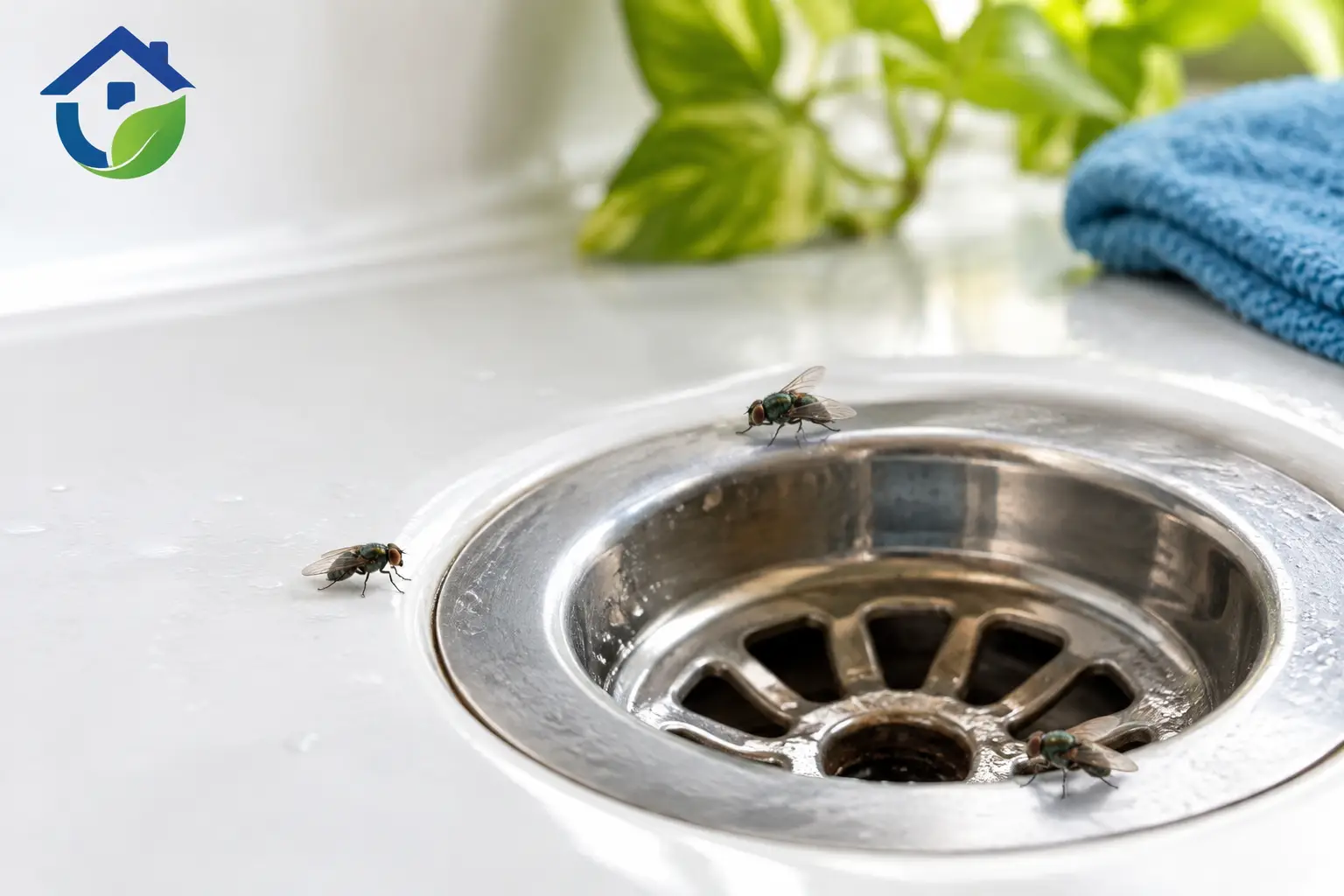
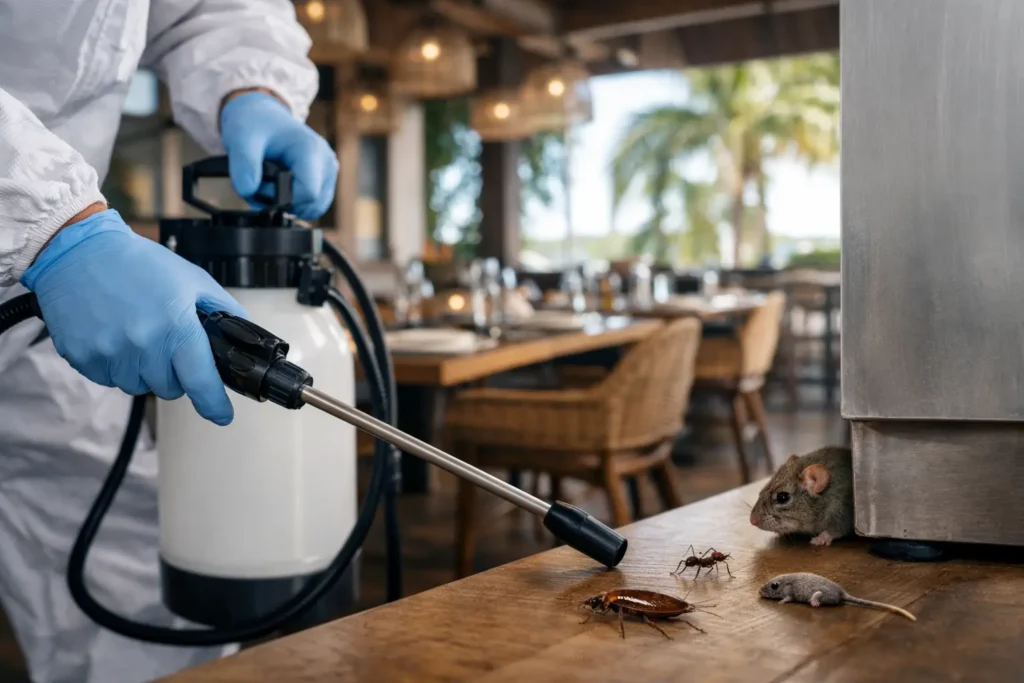
Cockroaches, flies, ants, and rodents are common concerns because each can find a different weakness in a food-service operation. Flies may be drawn to drains, bar mats, trash, or produce. Cockroaches favor warmth, moisture, grease, and tight cracks around equipment. Rodents look for food, water, and quiet access points, often entering through gaps that seem too small to matter.
Outdoor dining adds another layer. Patio lights, beverage stations, landscaping, overflowing bins, and open doors can create a direct path from outside activity to indoor food-prep areas. Prevention must account for the whole property, not just the kitchen.
Start With the Conditions Pests Need
Pesticide treatments can be an effective part of a professional plan, but treatments alone will not correct the conditions that keep attracting pests. The strongest programs focus on food, water, shelter, and entry points first.
Keep Food and Grease From Becoming a Food Source
Closing duties should go beyond wiping visible surfaces. Clean under and behind cooking equipment on a defined schedule, remove grease buildup from floors and walls, and empty food debris from drains and floor sinks as appropriate for your operation. Small spills around soda lines, dish areas, prep tables, and dry storage can support pest activity long after the dining room has been reset.
Store dry goods in sealed containers whenever possible, and keep inventory off the floor and slightly away from walls. This makes cleaning easier and gives staff a clearer view of droppings, gnaw marks, damaged packaging, or insect activity. First-in, first-out inventory practices also reduce the chance that forgotten products become a hidden food source.
Control Moisture Every Day
Water is often the issue that turns an occasional pest into a recurring one. Check for dripping faucets, leaking refrigerator lines, condensation beneath ice machines, loose plumbing connections, and standing water near dishwashing equipment. A damp area behind a cooler may be out of sight, but it is not out of reach for pests.
Drains deserve particular attention. They collect organic material and can support fly breeding when they are not cleaned thoroughly. Use a drain-maintenance routine that physically removes buildup, rather than relying only on products that mask odors. Your pest professional can help identify which drains need the most attention based on observed activity.
Remove Shelter Near the Building
Cardboard, clutter, unused equipment, and overstocked storage rooms provide hiding places and make inspections harder. Break down boxes promptly and move them to a designated disposal area. Keep the exterior clear of stacked materials, excess vegetation, and debris near walls, doors, and utility connections.
Dumpster areas matter just as much as the kitchen. Lids should close, surrounding pavement should be cleaned regularly, and waste should not be allowed to accumulate beside the container. If a dumpster is consistently overfilled, changing pickup frequency may be a more effective prevention decision than treating the same area repeatedly.
Seal the Routes Pests Use to Get In
A restaurant may have immaculate sanitation and still struggle if pests have easy access. Walk the perimeter regularly, especially after storms or construction work nearby. Look at door sweeps, window seals, utility penetrations, vents, loading areas, and gaps around pipes or conduits.
Doors that stay propped open during deliveries are a practical reality for some restaurants, so the answer is not always “never open the door.” It may mean scheduling deliveries more carefully, repairing self-closing mechanisms, using air curtains where appropriate, or assigning staff to keep openings closed when they are not actively in use.
Exterior lighting can also affect pest activity. Bright lights near entrances may attract flying insects after dark. In some cases, relocating lights away from doors or selecting appropriate fixtures can reduce pressure at entry points. The right choice depends on the building layout, safety requirements, and guest experience.
Build Pest Prevention Into Daily Restaurant Routines
The best restaurant pest plans are easy enough for a busy team to follow. Staff should know what to report and where to report it. A quick observation reported early can prevent a larger disruption later.
Train employees to recognize warning signs such as live insects, droppings, unusual odors, grease trails, gnawed packaging, damaged door sweeps, or recurring flies in one area. Encourage reporting without blame. A line cook who notices moisture under a prep sink or a server who sees insects near a patio door is giving management useful information, not creating a problem.
A simple log helps connect patterns. Record the date, location, pest seen, time of day, weather conditions, and any sanitation or maintenance issue nearby. That information gives a pest management technician a better starting point than a general report of “we saw bugs.” It can also reveal whether the activity follows deliveries, rain events, trash pickup delays, or a specific shift routine.
Use Professional Monitoring Before a Sighting Becomes a Crisis
Professional service should not begin and end with a spray. A restaurant needs inspection, species identification, monitoring, sanitation recommendations, exclusion work, and a treatment approach suited to food-service environments. The goal is to address the cause of activity while protecting staff, guests, and the operation.
Monitoring devices and scheduled inspections can identify pest activity in concealed areas before guests see it. Kitchens, dry storage, bars, utility closets, dish rooms, receiving areas, and exterior waste zones all need attention, but the frequency and approach should match the restaurant. A high-volume waterfront location with extensive outdoor seating may need a different plan than a small café in a retail center.
Communication matters, too. Management should receive clear documentation of findings, service performed, and corrective actions needed from the restaurant team. That record supports accountability and makes it easier to prepare for inspections or respond quickly if conditions change.
What to Do When You See a Pest During Service
One sighting does not always mean a full infestation, but it should never be dismissed. Protect the guest experience first, then document the location and circumstances. Remove exposed food or contaminated disposable items as appropriate, clean the area, and notify the manager immediately.
Avoid having staff apply random store-bought products in food-prep or guest areas. Misuse can create safety concerns, interfere with monitoring, scatter pests into harder-to-reach spaces, and leave the underlying issue untouched. A qualified professional can determine whether the sighting was isolated, where the pest likely came from, and what corrective steps will actually reduce future activity.
If activity is recurring, treat it as urgent. Repeated sightings at the same drain, bar station, storage shelf, or entrance point are a signal that the source has not been corrected.
A Prevention Partner Should Be Responsive
Restaurants cannot wait days for answers when food safety and guest confidence are on the line. Choose a pest control provider that understands Miami conditions, can respond quickly, and is willing to explain what the restaurant needs to fix between visits. Prevention is shared work: your team controls sanitation and facility conditions, while your pest professional brings inspection expertise, monitoring, targeted treatment, and follow-through.
Florida Bug Control provides commercial pest management built around safe, fast, and guaranteed service, with return visits when pests return. For a restaurant, that accountability matters because a clean, protected operation is not a one-time achievement. It is earned during every closing shift, every delivery, and every service rush.