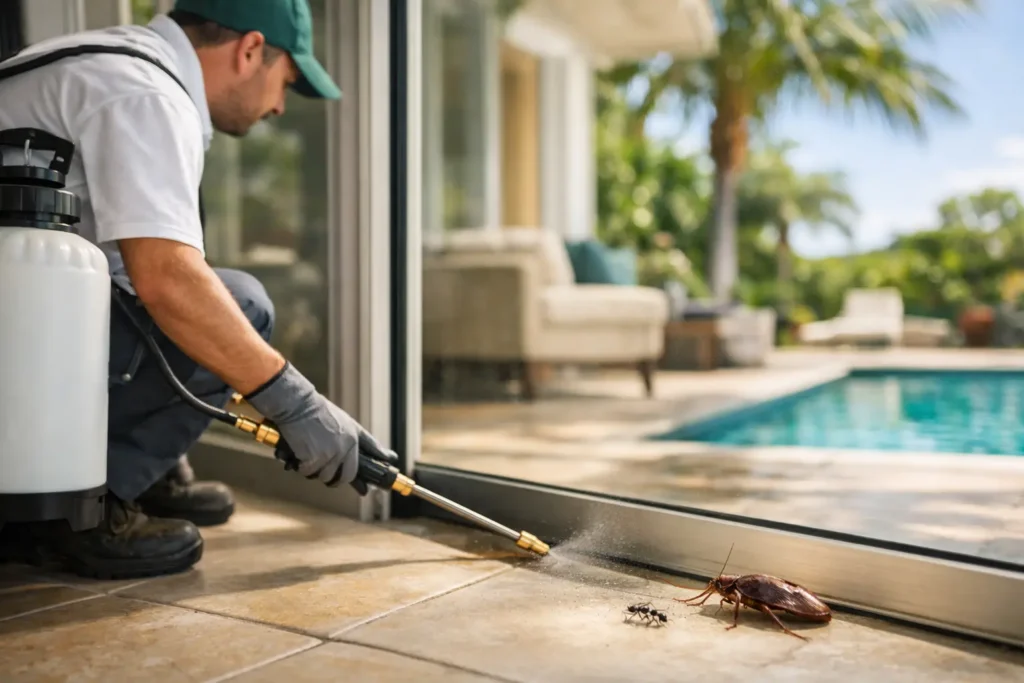
A cockroach in the kitchen, ants tracking across the counter, or mosquitoes taking over the patio can turn from a nuisance into a real concern fast. Effective pest control is not about spraying first and hoping for the best. It starts with identifying what is active, where it is coming from, and what conditions are allowing it to stay.
Florida properties face pest pressure nearly year-round. Heat, humidity, rain, dense landscaping, standing water, and frequent storms create ideal conditions for insects and rodents to move, breed, and search for food indoors. That is why a one-size-fits-all approach rarely holds up. The right solution should address the current problem while reducing the chance of the next one.
Pest Control Starts With the Right Diagnosis
Different pests leave different clues, and those details matter. Tiny trails of ants near a sink may point to moisture or an outdoor nest finding an entry point. Flea activity can be connected to pets, wildlife near the home, or fabric areas where eggs and larvae remain protected. Rodent noises in the walls may signal an opening around utility lines, roof gaps, or damaged vents.
Treating the visible pest without finding the source can produce a short-lived result. A technician should inspect active areas, identify likely harborage sites, and look at the structure as a whole. This includes cracks around doors and windows, gaps at plumbing penetrations, cluttered storage areas, drains, garbage collection points, rooflines, landscaping, and moisture-prone spaces.
For homeowners, that process protects the places that matter most: kitchens, bedrooms, pantries, bathrooms, garages, patios, and pet areas. For businesses, it also protects customer-facing spaces, employee work areas, inventory, equipment, and a company’s reputation.
When a Pest Problem Needs Professional Help
Some isolated pest activity can be addressed with cleaning and simple prevention. But repeated sightings, bites, droppings, odors, nesting material, or pests appearing during the day usually call for a professional inspection. Daytime activity can mean a population is large enough that pests are being pushed out of their usual hiding places.
Professional help is especially valuable when the issue involves bed bugs, rodents, cockroaches, fleas, ticks, wasps, birds, or recurring ants. These problems often have hidden stages, multiple access points, or conditions that DIY products cannot fully address. Using the wrong product, or applying it in the wrong location, may scatter pests, create safety concerns, or delay a complete resolution.
There is also a practical question of time. A family preparing for guests, a renter concerned about bites, or a restaurant manager facing an inspection cannot always wait through trial and error. Fast service and a clear treatment plan make a meaningful difference when pest activity affects health, sanitation, comfort, or operations.
Signs You Should Not Wait
A quick response is a smart move when you see several of these signs:
- Droppings, grease marks, chewed packaging, or scratching sounds that suggest rodent activity
- Repeated cockroach sightings, especially in kitchens, bathrooms, utility rooms, or break areas
- Itchy bites, blood spots on bedding, or small insects around mattress seams and furniture joints
- Stinging insects entering wall voids, gathering near doors, or building nests close to active areas
- Sudden mosquito, fly, flea, or tick activity that makes outdoor spaces difficult to use
The goal is not to panic. It is to keep a manageable problem from becoming a larger one.
What Safe, Effective Treatment Looks Like
Good pest management is targeted. It considers the pest, the life stage, the level of activity, the layout of the property, and the people or animals who use the space. A treatment plan for a home with young children and pets should account for different concerns than one for a warehouse, school, healthcare setting, or food production facility.
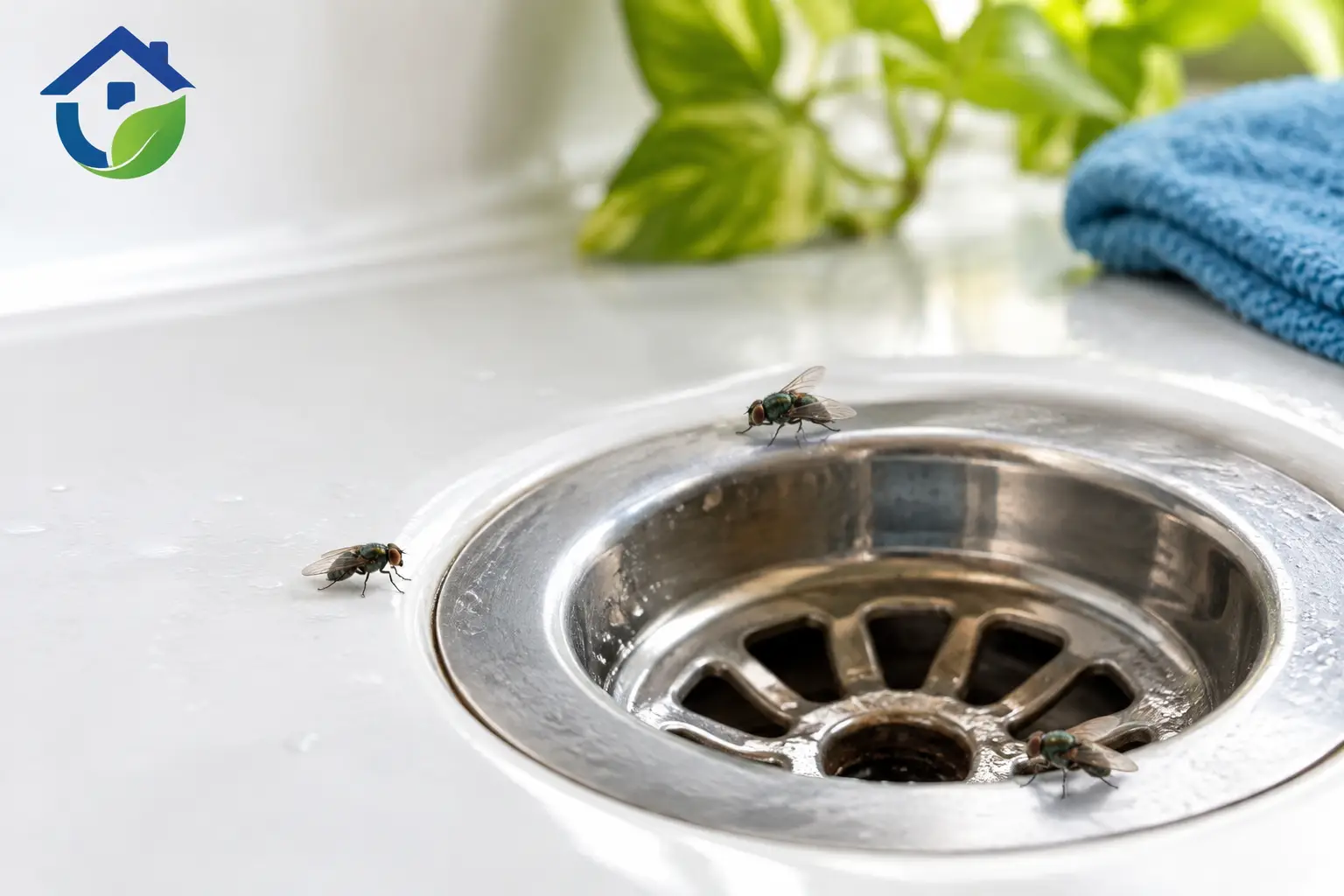
Depending on the situation, service may include precisely placed treatments, baits, traps, exclusion work, monitoring, sanitation recommendations, habitat changes, or follow-up visits. The best method depends on the pest and the conditions found during the inspection. For example, eliminating a food source may be central to fly management, while sealing a structural opening is often critical for preventing rodents from returning.
Clear preparation instructions are also part of safe service. Some treatments require removing items from a cabinet, laundering bedding, vacuuming specific areas, trimming vegetation, or keeping pets out of a treated zone until it is safe to return. Those steps are not busywork. They help treatment reach the problem and prevent pests from simply moving to another part of the property.
At Florida Bug Control, service is built around safe, fast, and guaranteed results. If pests come back, so do we. That level of accountability matters because pest pressure can change after heavy rain, construction nearby, seasonal shifts, or changes in how a property is used.
Prevention Is the Part That Keeps Working
The strongest pest control program combines treatment with prevention. You do not need a perfect property to make a real difference. A few consistent habits can remove the food, water, shelter, and entry points pests rely on.
Keep food in sealed containers and clean crumbs, grease, and spills promptly, especially beneath appliances and around pet bowls. Empty trash regularly, keep outdoor bins closed, and avoid letting cardboard, clutter, or yard debris build up against the building. Indoors, repair leaks and reduce moisture under sinks, around air-conditioning components, and in laundry areas.
Outside, pay attention to standing water in planters, toys, tarps, gutters, birdbaths, and other containers after rain. Maintain a reasonable gap between shrubs or tree branches and the structure, and make sure screens, door sweeps, vents, and utility entry points are in good condition. These measures will not replace treatment for an established infestation, but they can greatly reduce recurring activity.
Prevention looks different from property to property. A waterfront home may need a sharper focus on mosquitoes. A multi-unit building may require coordination between residents and management. A restaurant may need frequent monitoring around deliveries, drains, waste areas, and food storage. The right plan should reflect how the space actually operates.
Pest Control for Florida Businesses
Commercial pest management has higher stakes because small issues can affect guests, employees, products, compliance, and daily operations. Hospitality properties need discreet service that protects guest experience. Healthcare and educational facilities need careful coordination and reliable documentation. Food manufacturing, restaurants, and retail operations need consistent prevention around sensitive areas where sanitation is essential.
A commercial program should include routine inspections, pest trend tracking, responsive service when activity appears, and recommendations that staff can realistically follow. It should also be flexible. An overnight facility, a busy retail store, and a kitchen with limited downtime each need scheduling that supports the operation instead of disrupting it.
Property managers benefit from the same structured approach. Pest concerns in apartments, offices, and mixed-use properties can involve shared walls, common areas, landscaping, trash locations, and resident cooperation. Addressing only one unit or one complaint at a time may leave the underlying source untouched. A broader inspection can reveal patterns and create a more durable solution.
Choose Service That Does Not Leave You Guessing
Before choosing a provider, ask how the pest will be identified, what treatment methods may be used, what preparation is required, and what happens if activity continues. You should receive straightforward answers, not vague promises. A free estimate, flexible scheduling, and no long-term contract can also make it easier to get help without adding pressure to an already stressful situation.
Guarantees matter most when they come with action. Pest problems are not always resolved in one visit, particularly when pests have hidden nesting sites, active breeding cycles, or several ways to enter a building. Return service and follow-up communication give you a path forward instead of leaving you to wonder whether the treatment worked.
If you are seeing pests now, take a photo if you can, note where and when activity appears, and avoid disturbing nests or applying multiple products at once. Then arrange an inspection. The sooner the source is identified, the sooner your home or business can get back to feeling clean, protected, and under control.