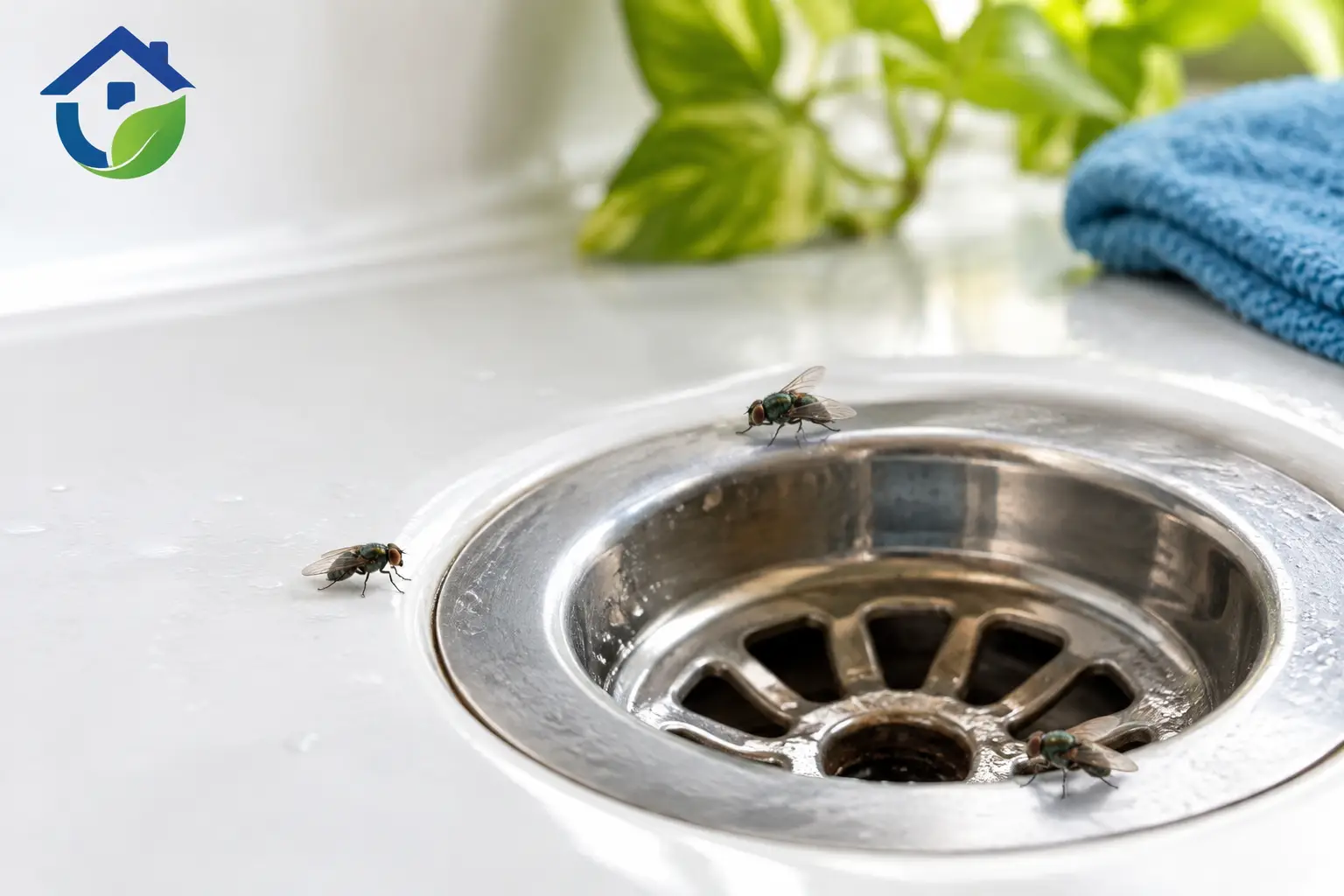
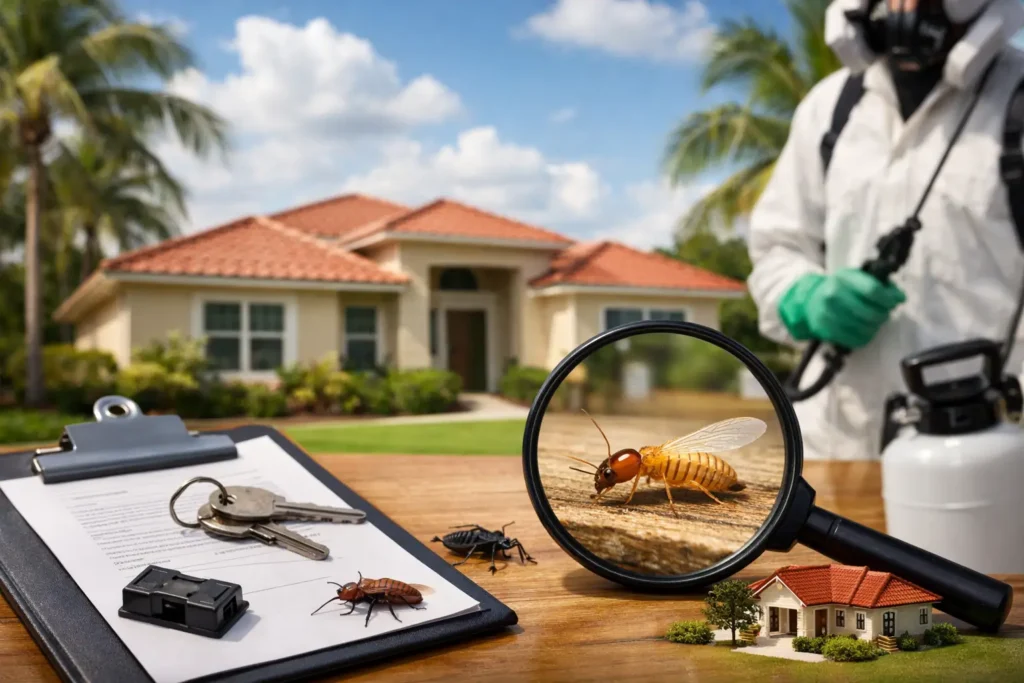
A cockroach in the kitchen after a recent treatment, a fresh line of ants along the counter, or rodent activity in a storage room can make any customer wonder: was the service supposed to fix this? The best pest control warranties answer that question before it becomes a frustrating phone call. They spell out what happens if pests return, how quickly help is available, and what you will pay for follow-up service.
In Florida, that clarity matters. Heat, humidity, heavy rain, and year-round pest pressure mean a single treatment is not always the whole solution. A strong warranty is not empty reassurance. It is a provider putting accountability behind its recommendations, treatment plan, and return visits.
What a Pest Control Warranty Should Actually Cover
Pest control companies may call their promise a warranty, guarantee, service agreement, or satisfaction policy. The name matters less than the practical terms. You should be able to understand, in plain language, which pest issue is covered, how long coverage lasts, and what the company will do when activity continues.
For common household pests, a good warranty generally includes a return visit when covered pest activity reappears during the stated coverage period. That follow-up should involve more than a quick spray at the door. A technician should inspect the affected area, identify likely causes, adjust the treatment when needed, and explain the next steps for keeping pests out.
For commercial properties, the standard is higher because the consequences can be higher. A restaurant, healthcare facility, apartment community, retail location, or food-related operation may need documented service, regular inspections, and rapid response when pest activity threatens sanitation, operations, or customer confidence. The warranty should align with those operational needs rather than rely on vague language about “as needed” service.
A promise of unlimited return visits can be especially valuable, but only if the provider clearly defines the covered pest and service period. It gives customers confidence that they will not be charged again simply because the initial plan needs an adjustment.
Best Pest Control Warranties Put the Details in Writing
The best warranties do not require you to guess what happens next. Before service begins, ask for the terms in writing and read the sections that explain coverage, exclusions, scheduling, and customer responsibilities. A credible provider should be comfortable walking you through them.
Start with the duration. Some warranties apply for a short period after a one-time treatment. Others remain active between recurring service visits. Neither option is automatically better. A one-time warranty may work well for a contained issue that is quickly identified and treated. Ongoing service is often a better fit for Florida homes with recurring exterior pressure, multifamily properties, or businesses that need consistent monitoring.
Next, look at the response process. Does the company offer a clear way to request a return visit? Is there a stated response window? Can you reach someone after hours when the issue cannot wait? A warranty has less value if getting a technician back requires repeated calls or an unclear approval process.
Finally, confirm the cost of follow-up. Some companies offer a limited number of visits, while others charge a service-call fee after the initial appointment. The strongest customer-first policies make it clear whether return treatments are included and under what conditions.
Coverage Is Not the Same as a Guarantee of Zero Sightings
Pest behavior is not always immediate or predictable. After treatment, you may see increased activity for a short period as pests are driven from hiding places or move through treated areas. That does not always mean the service failed.
A trustworthy provider sets realistic expectations. They will tell you what activity may be normal, when you should expect improvement, and when to call for a return visit. They should also explain that sanitation, moisture issues, entry points, landscaping, and neighboring units can affect results.
This is where a service guarantee becomes meaningful. Rather than promising an unrealistic permanent fix after one visit, the provider commits to staying involved until the identified issue is resolved under the terms of the plan. Florida Bug Control uses a 100% satisfaction guarantee with unlimited return visits because effective pest management sometimes requires follow-through, not a one-and-done approach.
Questions to Ask Before You Choose a Warranty
A short conversation before booking service can prevent surprise charges and disappointment later. Ask these questions directly:
- Which pests are covered by this warranty, and which are not?
- How long does coverage last after the treatment or between recurring visits?
- If I see activity again, how do I request a return visit and how soon can you respond?
- Are follow-up inspections and treatments included at no additional cost?
- What conditions could limit coverage, such as untreated entry points, sanitation concerns, or access restrictions?
- Will I receive service records or recommendations in writing?
These questions are useful for homeowners, but they are essential for property managers and business operators. If multiple people manage maintenance, cleaning, tenant communication, or compliance, written recommendations keep everyone working from the same plan.
Watch for Warranty Language That Leaves Too Much Room
A low initial price can look attractive until the fine print makes repeat service expensive. Be cautious when a warranty uses broad terms such as “at the company’s discretion” without explaining how decisions are made. The same applies to plans that promise coverage but exclude the pest you called about, limit returns to a narrow time window, or require a long contract for routine follow-up.
No-contract service can be a meaningful advantage when it is paired with accountability. You should stay with a pest control provider because the service works and the company responds, not because cancellation feels impossible. Flexible terms also let homeowners and businesses choose a plan that fits their actual pest pressure, budget, and scheduling needs.
Exclusions are not automatically a red flag. Some situations need specialized treatment, repair work, cleaning, or cooperation from building occupants before the provider can deliver lasting results. The key is transparency. A professional should explain those limitations before service, not use them as a surprise after pests return.
Match the Warranty to the Pest Problem
The right warranty depends on what you are dealing with and where. Mosquito service, for example, may focus on reducing populations around a property through recurring outdoor treatments and source reduction recommendations. Rodent control may require inspection, trapping, follow-up checks, and exclusion work to close access points. Bed bug service can require detailed preparation, scheduled reinspection, and careful monitoring after treatment.
For a single-family home, convenience may be the deciding factor: fast scheduling, clear preparation instructions, and return visits when needed. For a hotel, restaurant, school, warehouse, or medical facility, the warranty must support a larger system. That can include recurring inspections, staff recommendations, detailed reporting, and responsive corrective service when conditions change.
Do not assume every pest is covered under the same terms. Ask for the exact service recommendation for your issue. A provider that understands Florida-specific pest pressure will tailor the plan instead of forcing every customer into the same generic package.
Your Part in Making a Warranty Work
A warranty is a partnership. Technicians can treat active pest areas and build a prevention plan, but customers may need to complete basic steps that support the work. That might mean removing standing water, storing food in sealed containers, reducing clutter, repairing screens, following preparation instructions, or granting access for follow-up service.
For commercial locations, assign one person to receive service reports and coordinate corrective actions. Small issues such as a leaking pipe, propped-open delivery door, overflowing dumpster area, or gaps around utility lines can keep attracting pests after treatment. Addressing them quickly protects the warranty and improves long-term results.
The right pest control warranty should make you feel protected, not trapped. Choose a provider that explains the terms clearly, responds when pests return, and stands behind the work with practical follow-through. When the next unexpected pest appears, you should already know exactly who will handle it and what happens next.