A single roach in the kitchen, ants crossing a bathroom counter, or scratching behind a wall can feel personal. In an apartment, though, pests rarely stay inside one unit. The best pest control for apartments treats the immediate problem while addressing the gaps, shared spaces, plumbing lines, and neighboring conditions that allow pests to move through a building.
That is why a spray-can-only approach often disappoints renters and property managers. It may reduce the activity you see for a few days, but it does not identify where pests are nesting, feeding, or entering. Effective apartment pest control is a coordinated plan: correct identification, targeted treatment, building cooperation, and practical prevention.
What Makes Apartment Pest Control Different?
Apartments create opportunities pests do not get in a detached home. Units may share walls, utility lines, trash rooms, hallways, laundry spaces, attics, and exterior entry points. A pest issue can begin in one apartment and show up in another, even when the second resident keeps a clean home.
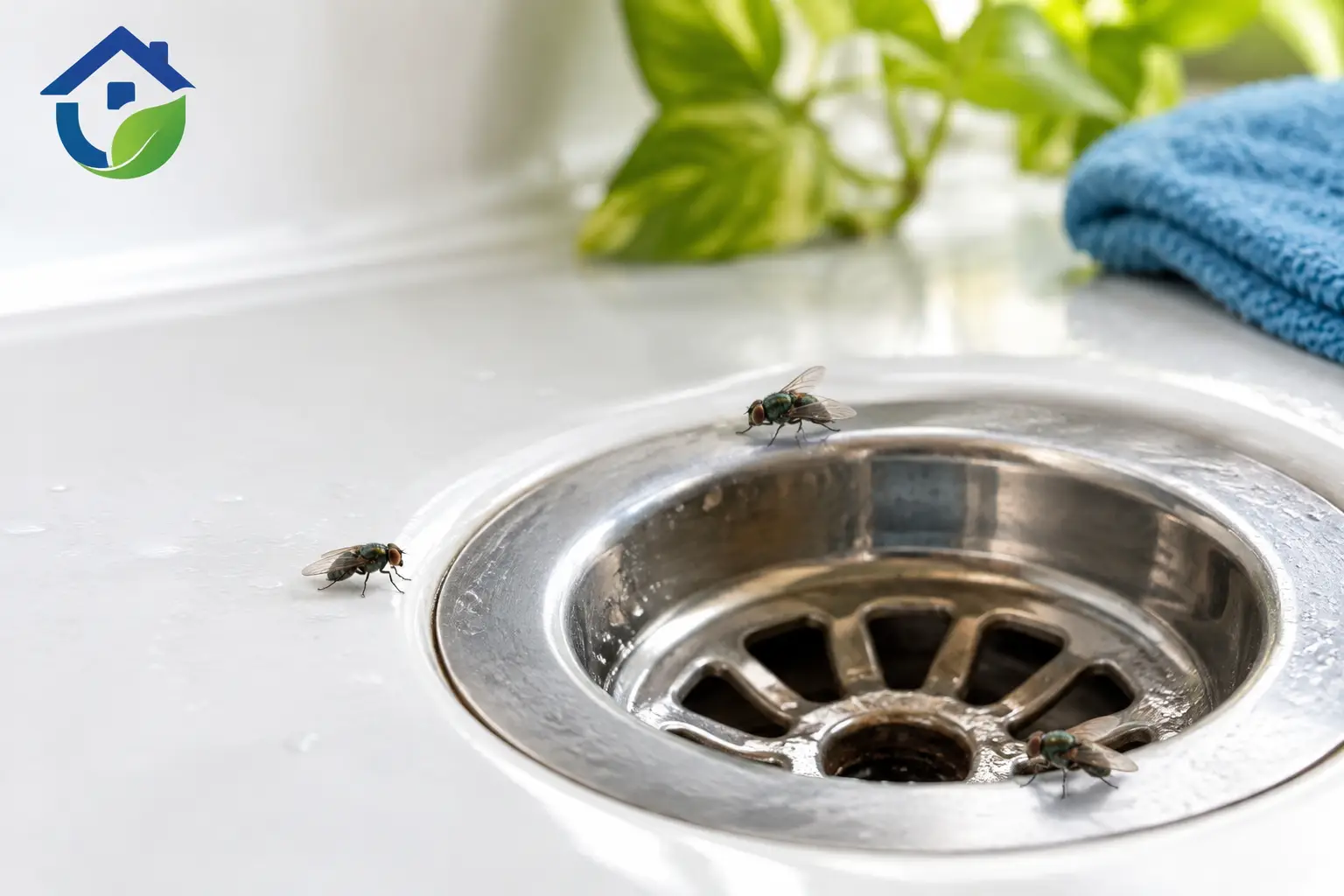
Florida adds another layer of pressure. Warm temperatures, humidity, frequent rain, and long active seasons can support cockroaches, ants, mosquitoes, rodents, flies, bed bugs, fleas, ticks, spiders, and other nuisance pests for much of the year. Moisture around sinks, air-conditioning equipment, drains, and exterior landscaping can give pests exactly what they need.
The right service does not blame the resident or make assumptions. It inspects the full situation. That means looking for water sources, food access, harborage areas, entry points, signs of movement between units, and any conditions in common areas that may be supporting the infestation.
Best Pest Control for Apartments Starts With Identification
Different pests require different methods. Treating every sighting the same wastes time and can spread the problem further. A fast inspection helps determine what is present, how severe the activity is, and whether treatment should focus on one unit, a cluster of units, or the property as a whole.
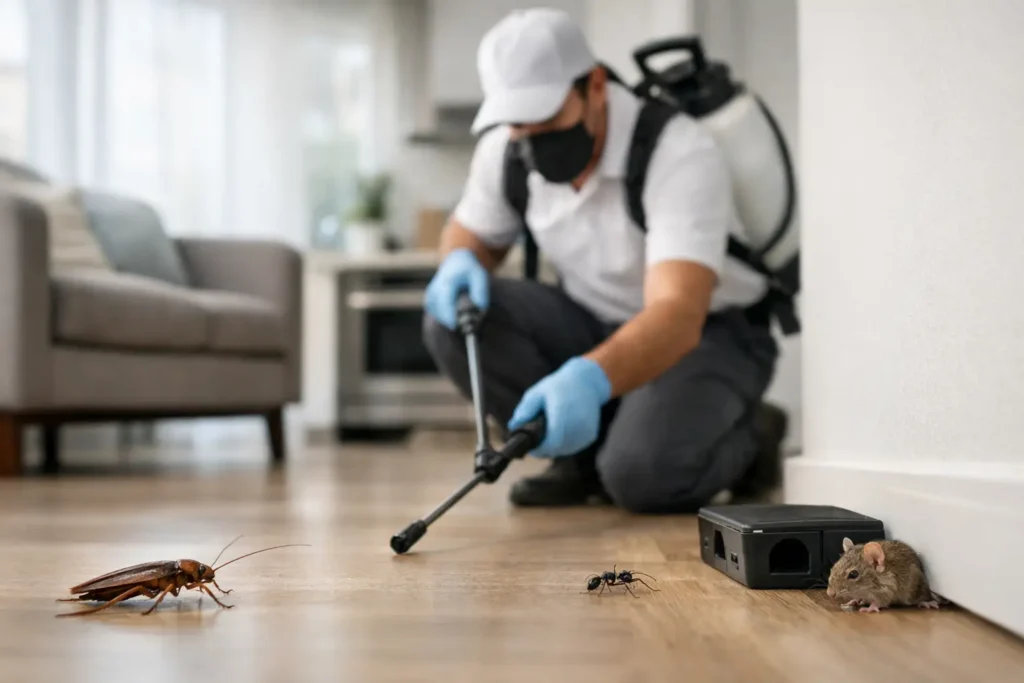
For example, small ants in a kitchen may be following a trail to moisture or crumbs. Spraying visible workers can scatter the trail without resolving the source. Cockroach activity may point to cracks near appliances, plumbing penetrations, clutter, cardboard, or activity in an adjacent unit. Bed bugs require a very different response, with detailed inspection of beds, furniture, seams, and nearby hiding places. Rodent control relies on exclusion as much as removal because a single open gap can keep the issue going.
A qualified technician should explain what they found in plain language. You should know which pest is being treated, why the chosen method fits, what preparation is needed, and when you can expect to see improvement. Pest activity may not stop instantly, especially when baiting or monitoring is part of the plan, but you should see a clear path to resolution.
What a Strong Apartment Treatment Plan Includes
The most reliable results come from integrated pest management. That is a practical approach that combines inspection, targeted treatment, sanitation guidance, exclusion work, and follow-up rather than relying on routine heavy spraying.
Targeted treatment instead of blanket applications
Treatment should be placed where pests travel, hide, feed, or enter. Depending on the pest, that may include cracks and crevices, voids around pipes, cabinet areas, baseboards, exterior perimeters, or discreet monitoring locations. Targeted service is generally more effective and more sensible for occupied apartments, especially homes with children or pets.
Elimination of food and moisture sources
Cleanliness helps, but it is only one part of the picture. Residents can make a real difference by storing food in sealed containers, taking trash out regularly, cleaning spills, avoiding piles of cardboard, and reporting leaks promptly. Property teams also need to address dripping pipes, overflowing dumpsters, damaged door sweeps, broken screens, and standing water around the building.
Exclusion and repairs
Pests use surprisingly small openings. Gaps around plumbing, worn weatherstripping, openings beneath doors, damaged vents, and cracks near windows can all become entry points. In multi-unit buildings, sealing these access routes is one of the best long-term investments a manager can make.
Follow-up visits when the pest requires them
Some infestations need more than one visit because eggs hatch, pests move from hidden areas, or conditions in a neighboring unit change. A provider should not treat follow-up as a failure. It is often part of doing the job correctly. Florida Bug Control offers unlimited return visits until the issue is resolved, giving residents and managers a clear measure of accountability.
What Renters Should Do When They See Pests
Report the issue quickly and in writing to your landlord or property manager. Include the date, the room where you saw activity, how often you have noticed it, and any photos or samples you can safely provide. Early reporting gives the property team a better chance to stop a small issue before it spreads.
Avoid moving furniture, bags, or belongings to another unit if bed bugs are suspected. That can transport pests and make treatment harder. Do not fog an apartment with store-bought bombs, either. Foggers can drive pests deeper into walls and cabinets while leaving the source untouched.
Before a professional visit, follow the preparation instructions exactly. You may need to clear under sinks, remove items from certain cabinets, vacuum specific areas, wash bedding, secure pets, or make the unit accessible. Preparation is not busywork. It lets treatment reach the places where pests are actually living.
Renters should also be realistic about responsibility. A clean apartment can still have a pest problem caused by shared building conditions, while clutter and unreported leaks can make any infestation harder to control. Clear communication works better than blame.
What Property Managers Need From a Pest Provider
For property managers, the best pest control for apartments is not just about closing a work order. It is about reducing repeat complaints, protecting resident confidence, and documenting a consistent response across the property.
Look for a company that can respond quickly, identify the pest accurately, coordinate access with residents, and recommend building-level corrections when needed. The provider should be comfortable treating individual apartments and common areas, but also recognize when multiple units need inspection. A recurring cockroach complaint, for example, may require more than repeated treatment in the unit that reported it.
Service records matter. Managers benefit from clear notes on pest findings, treatments performed, preparation requirements, recommended repairs, and return-visit schedules. This helps maintenance teams prioritize work and gives leasing or management staff a straightforward answer when residents ask what is being done.
No-contract options can also be valuable when a property needs urgent help without being pushed into terms that do not fit its needs. At the same time, properties with frequent pest pressure may benefit from ongoing monitoring and prevention. The right choice depends on the pest, the building’s condition, resident turnover, and the history of activity.
Questions to Ask Before You Schedule Service
Before choosing an apartment pest control company, ask whether the inspection includes likely entry points and common-area factors, not just the visible pest. Ask how the service will be adapted for children and pets, what residents need to do before treatment, and whether follow-up is included if activity continues.
You should also ask how quickly the company can respond. Waiting can turn a manageable issue into a building-wide concern. A provider with flexible scheduling, clear communication, and real return-visit support is usually more useful than one that simply performs a quick treatment and disappears.
Price matters, but the lowest quote is not always the best value. An incomplete treatment can lead to more resident complaints, more vacancy concerns, and more spending later. A free estimate and a clear service explanation make it easier to compare what you are actually receiving.
Prevention Between Professional Visits
Pest control works best when residents, maintenance teams, and technicians are working toward the same goal. Keep kitchens and pet-feeding areas clean, empty indoor trash regularly, report leaks as soon as they appear, and avoid storing paper bags or boxes for long periods. Inspect groceries, deliveries, used furniture, and luggage before bringing them deep into the apartment.
For managers, regular attention to trash areas, landscaping, exterior lighting, door seals, utility openings, and vacant units can prevent many recurring problems. Vacant apartments deserve inspection too. A quiet, unoccupied unit can become a hidden source of activity before a new resident ever moves in.
A pest problem in an apartment should be handled promptly, calmly, and with the full building in mind. The sooner the right team identifies the source and puts a complete plan in place, the sooner your home or property can feel clean, protected, and comfortable again.