A single cockroach near a dining table, rodent activity in a stockroom, or flies around a loading dock can become a business problem before the shift ends. Commercial pest management is not simply about removing the pests customers can see. It is about protecting the health, reputation, inventory, operations, and confidence that keep your facility running.
For Florida businesses, that work requires speed and a plan built for the property. Heat, humidity, frequent rain, dense vegetation, food sources, and high traffic give pests plenty of opportunities to move indoors. A treatment that handles one visible problem but ignores entry points, moisture, sanitation gaps, and exterior pressure may only provide temporary relief.
What Commercial Pest Management Should Do
A commercial program should address immediate pest activity while reducing the conditions that allow activity to return. That means identifying the pest correctly, locating where it is feeding or nesting, understanding how it entered, and selecting a treatment approach that fits the facility’s operations.
The right approach looks different in a restaurant than it does in a medical office, retail store, school, warehouse, or food production facility. A restaurant may need close attention around drains, grease areas, deliveries, and dumpsters. A warehouse may need a stronger focus on receiving doors, pallet storage, dock seals, and rodent monitoring. In healthcare, treatment scheduling and product selection must respect sensitive environments and the people who rely on them.
The goal is not to disrupt the business. It is to give decision-makers a clear response plan, keep pest pressure under control, and document what is being done so issues do not turn into surprises.
Why Waiting Costs More Than Treatment
Pest concerns rarely stay contained. A few insects near a break room can spread into wall voids, storage areas, or customer-facing spaces. Rodents can damage wiring, contaminate products, and create sanitation concerns. Mosquitoes can make outdoor seating and employee work areas unpleasant. Bird activity around entrances, roofs, or loading zones can create messy and persistent maintenance problems.
The direct cost matters, but the operational cost can be worse. A negative customer review, rejected shipment, staff complaint, failed audit, or interrupted service can put far more pressure on a business than the initial pest issue. For facilities that handle food, serve vulnerable populations, or maintain strict sanitation requirements, fast action is part of responsible operations.
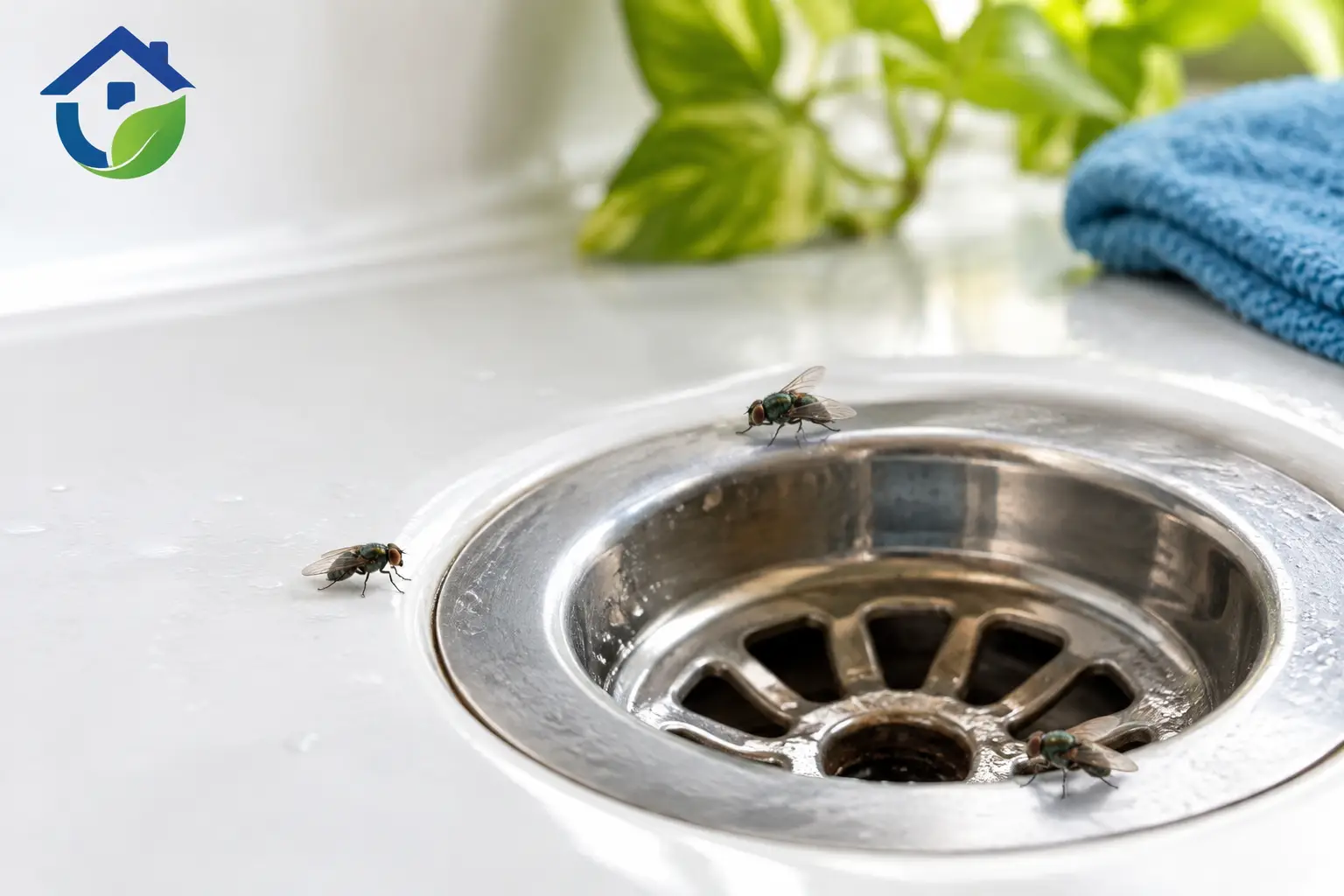
That does not mean every sighting calls for the same service. One fly near an open exterior door is different from recurring fly activity around drains. One ant trail after heavy rain may need a targeted response, while repeated activity across several rooms points to a broader access or moisture issue. Good pest management separates a one-time event from an ongoing risk.
The Four Parts of a Reliable Program
Inspection starts with the building, not the spray
A thorough inspection looks beyond the pest itself. A technician should evaluate exterior access points, door gaps, utility penetrations, landscaping contact, standing water, trash handling, drains, storage practices, and moisture conditions. Inside, the review should include areas customers may never see, such as utility rooms, kitchens, ceilings, receiving areas, employee spaces, and equipment voids.
This is especially valuable in Florida, where pests can move quickly between outdoor and indoor environments. Rain can drive activity toward buildings. Landscaping can create bridges to walls and rooflines. A loading dock that stays open during deliveries can become an easy route for flies, rodents, and crawling insects.
Treatment should be targeted and practical
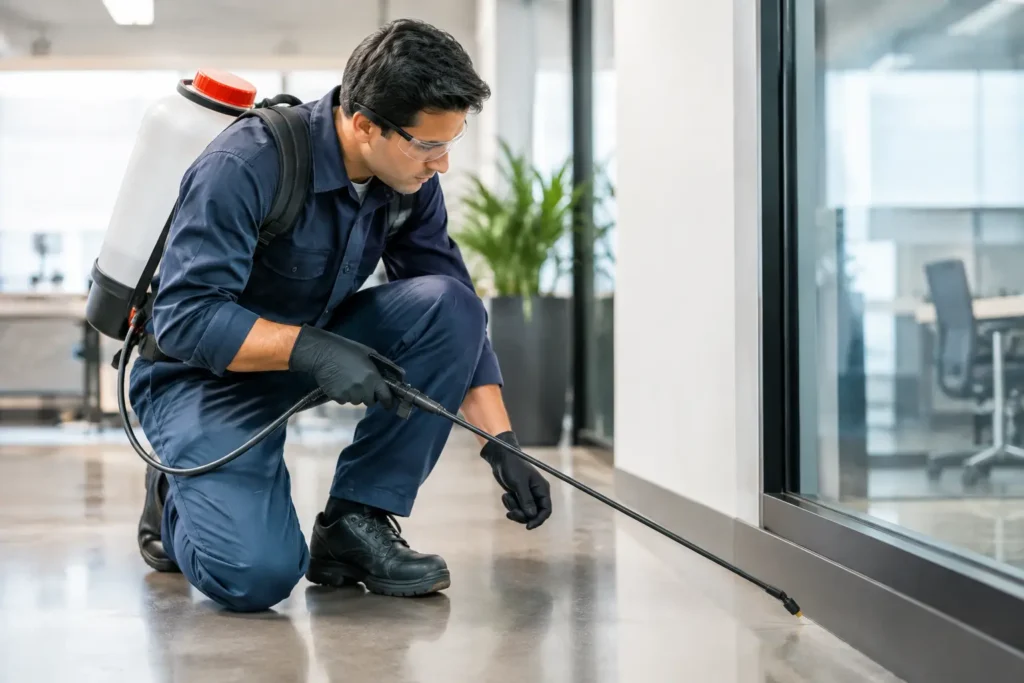
Treatment is not one-size-fits-all. The pest, level of activity, facility type, operating hours, and sensitive areas all affect the best response. A targeted plan may include crack-and-crevice applications, baiting, monitoring devices, exclusion work, drain treatments, exterior barrier service, or focused removal methods.
The safest effective solution is usually the one that solves the specific problem without adding unnecessary disruption. Your provider should explain what will be treated, why it is being treated, what employees should expect, and whether any preparation is needed. Clear communication helps managers protect their teams and maintain normal operations.
Prevention requires cooperation
Even excellent treatment can be undermined by an unsealed gap, leaking pipe, overflowing dumpster, cluttered storage area, or door that does not close fully. Pest control works best when service and facility maintenance support each other.
Managers do not need to solve every condition alone. A quality provider should point out practical corrections and help prioritize them. Some fixes are simple, such as moving stored materials away from walls or repairing a door sweep. Others may require building maintenance, landscaping adjustments, or changes to receiving procedures. The key is knowing which issues are most likely to drive repeat activity.
Monitoring keeps small issues small
Commercial properties change constantly. Deliveries arrive, inventory shifts, weather changes, employees rotate, and renovations create new openings. Ongoing inspections and monitoring make it easier to catch activity before it becomes a visible infestation.
This is where recurring service often earns its value. Regular visits create a record of conditions, recurring hotspots, treatments, and recommendations. For multi-site operators or busy facility managers, that consistency can make pest control easier to manage and easier to explain during internal reviews or inspections.
Common Pressure Points Businesses Miss
The most obvious areas are not always the most active ones. Pest problems often begin in overlooked spaces: beneath sinks, behind refrigeration equipment, around floor drains, inside utility closets, above ceiling tiles, near vending areas, and at the edges of receiving bays.
Exterior conditions matter just as much. Overgrown vegetation against the building, pooled water, poorly managed waste, clutter near walls, and damaged screens create favorable conditions before a pest ever reaches the interior. Florida’s climate keeps that exterior pressure active for much of the year, which is why indoor-only service may not be enough.
Employee awareness also matters. Staff should know who to tell when they notice activity and understand that early reporting is helpful, not inconvenient. A quick report about gnaw marks, droppings, a recurring insect trail, or unusual fly activity gives the pest professional a better chance of finding the source quickly.
Choosing a Commercial Pest Management Partner
A provider should be able to handle both urgent calls and long-term prevention without forcing your business into a confusing process. Ask how quickly the company can respond, whether it has experience with your type of facility, how it communicates findings, and what happens if pests return between scheduled visits.
Guarantees and return-visit policies matter because commercial pest activity does not always follow a calendar. A provider that stands behind its work should be prepared to reassess the situation when conditions change. Flexible service terms also matter for businesses that need dependable coverage without being locked into a rigid arrangement.
Florida Bug Control serves commercial properties with a practical focus on fast response, safe treatment options, and continued support when an issue needs more than one visit. The point is simple: if pests come back, the service should come back too.
When to Call for Service
Do not wait for a customer complaint or a major disruption. Call when you see repeat activity, find signs of rodents, notice insects around food or waste areas, experience unexplained odor or damage, or hear employees mention a recurring concern. Early inspection is usually easier, less disruptive, and more affordable than responding after activity spreads.
A well-managed facility sends a message before anyone says a word. Keep pest concerns from becoming part of your customers’ experience by treating the first sign as a reason to investigate, not a problem to hope disappears.