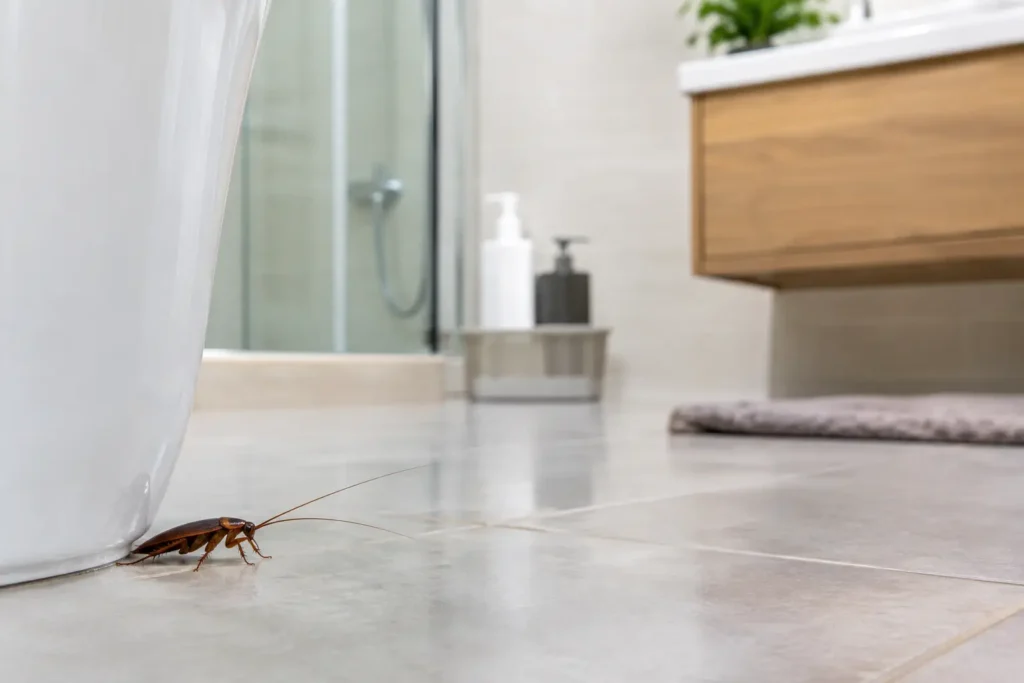
A cockroach racing across the bathroom floor is unsettling, especially when the room looks clean. What attracts cockroaches in bathrooms is usually not dirt alone. In Florida homes, the bigger draw is often moisture, warmth, shelter, and easy access from nearby plumbing gaps or wall voids.
Bathrooms can give cockroaches exactly what they need without leaving obvious clues. A small drip under the sink, condensation behind the toilet, or a damp bath mat can keep the space hospitable long after lights go out. Finding one roach does not always mean there is an infestation, but repeated sightings deserve prompt attention.
Why Bathrooms Attract Cockroaches
Cockroaches need water more consistently than they need food. A kitchen may offer more crumbs, but a bathroom can provide a dependable water source and a protected hiding place. That combination matters in humid Florida, where many cockroach species are active year-round.
They usually enter bathrooms through hidden routes rather than strolling in through the door. Openings around water pipes, gaps beneath cabinets, cracks in tile or grout, floor drains, and shared plumbing lines in apartments can all become travel paths. Once inside, roaches tend to stay close to dark, narrow spaces where they can hide during the day.
Leaks, Drips, and Condensation
Even a slow leak is a reliable water station for a cockroach. Check beneath the sink, around the toilet supply line, behind the shower wall if it is accessible, and near the base of the vanity. Water damage, soft cabinet flooring, or a musty smell can point to moisture that is also supporting pest activity.
Condensation can be enough, too. A poorly ventilated bathroom may leave water on pipes, windows, toilet tanks, and walls after every shower. If the exhaust fan is weak, unused, or vented improperly, humidity lingers and makes the room more attractive.
Drains and Plumbing Openings
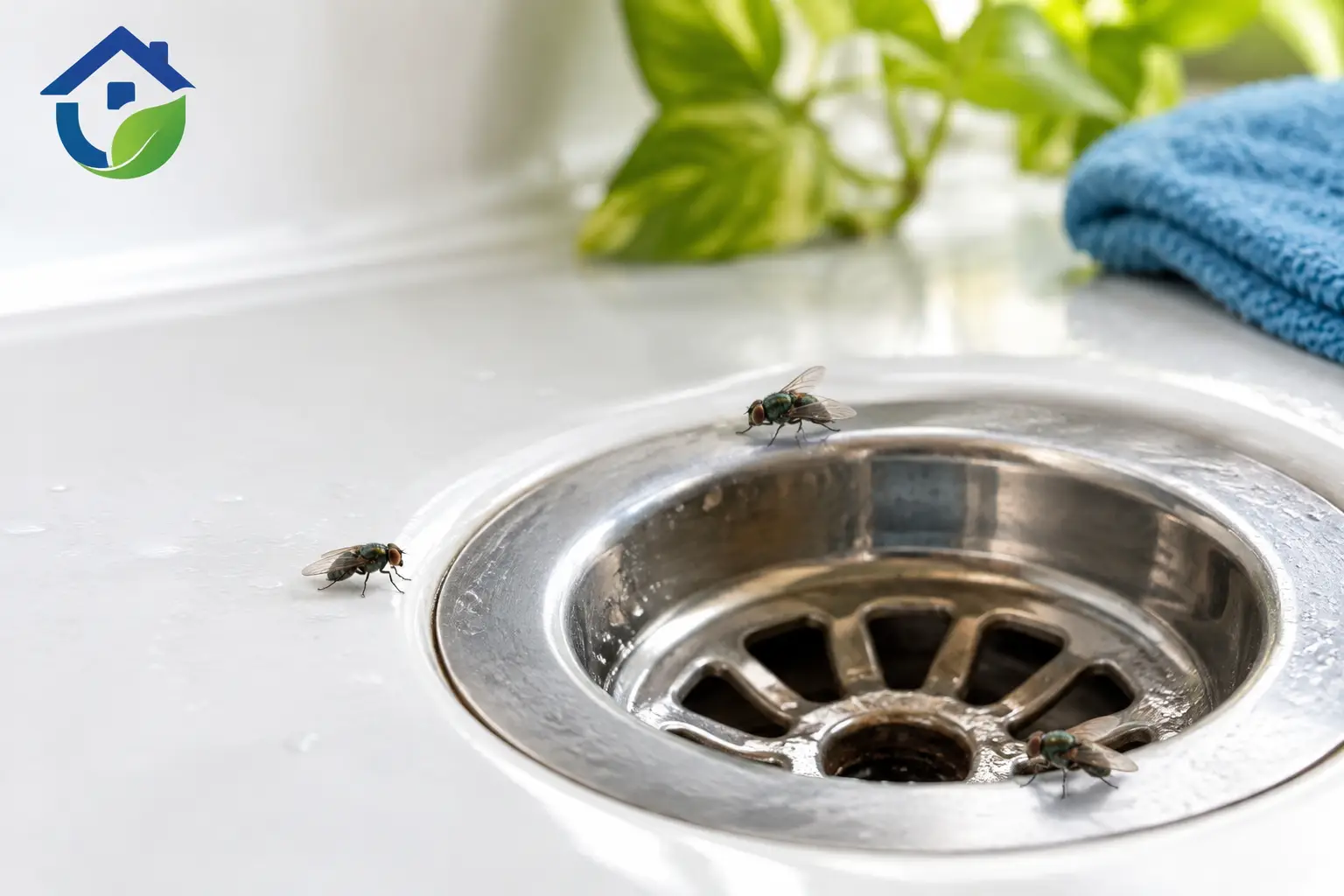
Drains are often blamed when cockroaches appear in bathrooms, but the situation is more nuanced. Roaches can move through plumbing chases and enter through gaps around drainpipes. They may also be found near drains because the area is damp, not because they are necessarily living inside the drain itself.
Rarely used sinks, tubs, or floor drains deserve special attention. When a drain trap dries out, it can allow odors and pests from connected lines or voids to move more freely. Running water in infrequently used fixtures helps maintain the trap seal. If there is a persistent odor, recurring roach activity, or a suspected plumbing issue, have the cause evaluated rather than relying on drain cleaner alone.
Hidden Food Sources You May Not Notice
Bathrooms are not food-free zones from a cockroach’s point of view. Hair, skin cells, toothpaste residue, soap residue, damp paper products, and the contents of an uncovered trash can can provide small but usable food sources. A roach does not need a full meal to stay active.
Pet water bowls near a bathroom, used towels left in piles, and trash containing tissues or personal-care items can add to the appeal. This does not mean a homeowner has done anything wrong. Cockroaches are opportunistic and can make use of what people barely notice.
Warm, Dark Places to Hide
Behind a vanity, under a sink, inside wall gaps, around a water heater, and near appliance connections are protected resting spots. Cockroaches prefer tight spaces that press against their bodies, which is why a gap that seems too small to matter may be all they need.
Bathrooms also tend to be quiet overnight, when roaches are most active. If you see them in daylight, that can indicate a larger population, disrupted hiding places, or heavy competition for shelter. It is a reason to act quickly, not a reason to panic.
Common Signs Cockroaches Are Using Your Bathroom
A live roach is the clearest sign, but other evidence may appear first. Look along cabinet edges, behind the toilet, beneath the sink, near baseboards, and around plumbing penetrations. Small dark specks that resemble ground pepper, shed skins, egg cases, or a stale, musty odor can all signal ongoing activity.
The type of cockroach matters. Some species are more likely to live and breed indoors, while larger outdoor roaches may wander inside through openings, especially after heavy rain or changes in temperature. A professional inspection can identify the species and reveal whether the bathroom is the source, a travel route, or simply where the problem became visible.
How to Make Your Bathroom Less Attractive to Roaches
The most effective approach combines moisture control, cleaning, and exclusion. Cleaning alone may reduce food sources, but it will not stop roaches entering through a pipe gap. Sealing every crack without addressing a leak can also leave the conditions that attracted them in the first place.
Start by repairing drips and inspecting the area under sinks regularly. Dry the floor after bathing, hang wet towels to dry, and avoid leaving damp bath mats on the floor for days. Run the exhaust fan during showers and for a while afterward. If the room remains humid, consider whether the fan needs cleaning, repair, or replacement.
Keep the vanity organized so you can spot activity early. Wipe toothpaste and product spills from counters, empty the bathroom trash often, and use a trash can with a lid if it collects tissues or personal-care waste. Store extra paper products in dry containers or cabinets rather than leaving them on the floor.
For entry points, seal gaps around exposed pipes where practical. Use appropriate caulk or escutcheon plates for small openings, but do not block plumbing access that may be needed for maintenance. Door sweeps can help where a bathroom opens to a garage, utility area, or exterior-adjacent space. Repair damaged grout and wall openings, particularly where plumbing enters the room.
If you have a seldom-used guest bathroom, run water in the sink, shower, and tub periodically. This simple habit helps keep drain traps from drying out. It is also a good time to look for leaks, droppings, or moisture damage before a small concern becomes a larger one.
What Not to Do When You See Roaches
Avoid spraying random products around the bathroom without knowing where roaches are coming from. Heavy use of aerosol sprays can scatter roaches into wall voids, create unnecessary exposure around towels and personal-care items, and fail to reach the nest or travel route. Sprays may kill the roach you see while leaving the underlying conditions untouched.
Do not assume a spotless bathroom rules out a problem, either. Roaches can be entering from another area of the home, a neighboring unit, a crawl space, or plumbing pathways. In multi-family properties, successful control may require a coordinated plan that accounts for shared walls and utility lines.
Glue traps can be useful for monitoring activity in protected locations, such as beneath a vanity, where children and pets cannot reach them. They can help show whether activity is increasing and which areas roaches are using. They are not always enough to control an established infestation on their own.
When It Is Time for Professional Cockroach Control
Call for help when sightings continue after you address moisture and sanitation, when you see roaches during the day, or when you find droppings, egg cases, or multiple roaches in several rooms. Fast action is especially important in homes with young children, older adults, pets, or anyone sensitive to allergens.
For property managers and commercial facilities, one bathroom sighting can be a sanitation concern and a warning that pests have access to a larger plumbing network. Restaurants, healthcare settings, hotels, schools, and retail spaces need a treatment plan that addresses both immediate activity and the conditions that allow it to return.
Florida Bug Control starts with the details that matter: the species involved, the moisture source, the entry points, and the spaces where roaches are hiding. Safe, targeted treatment works best when paired with practical prevention, and if pests come back, so should the service team.
A bathroom roach problem rarely improves by waiting it out. Dry the space, fix the leak, close the gaps you can find, and get expert help if sightings continue. That gives your home the best chance of staying protected where cockroaches expect an easy place to settle.