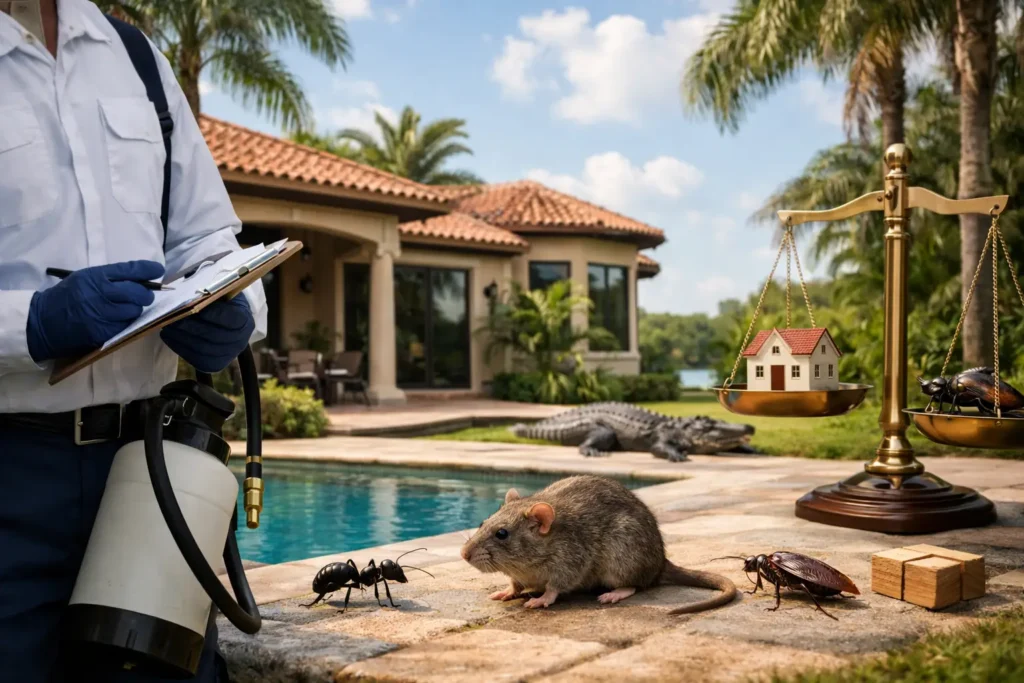
A pest problem can feel urgent because it usually is. Roaches in a restaurant kitchen, rodents around a storage area, mosquitoes near an outdoor gathering space, or bed bugs in a rental unit can quickly become a health, sanitation, or reputation issue. Florida pest regulations exist to make sure pest management is handled safely by qualified professionals and that certain businesses maintain conditions that protect customers, employees, patients, and residents.
For property owners and managers, the goal is not to become an expert in every rule. It is to know when a pest issue requires immediate action, what a licensed provider should handle, and what records or site practices can help prevent a small issue from becoming a larger compliance problem.
What Florida pest regulations cover
Florida regulates pest control services, pesticide use, and the professionals who perform those services. In practical terms, this means a company applying restricted products or providing certain pest management services must be properly licensed, insured where required, and operating under the appropriate certification structure.
That matters because pest control is more than spraying a product. A responsible treatment plan starts with identifying the pest, finding the entry points and conditions supporting activity, choosing the appropriate control method, and communicating any preparation or safety instructions. The wrong product, placement, or application can create risks without solving the infestation.
For homeowners, regulations primarily provide a layer of protection. You should expect clear information about the service being performed, reasonable guidance for children and pets, and a provider that can explain what they found and why a particular treatment is recommended.
For commercial properties, the stakes can be higher. Food service, healthcare, hospitality, schools, manufacturing, and retail locations may be subject to sanitation standards and inspections in addition to pest-control rules. Pest activity can lead to failed inspections, product loss, guest complaints, operational disruptions, or damage to a hard-earned reputation.
Licensed pest control is not optional for every situation
Some basic prevention work can be handled by a property owner. Sealing a gap around a pipe, removing standing water, cleaning food debris, storing dry goods in sealed containers, and repairing a damaged screen are all useful steps. They are also often the difference between a one-time pest sighting and a recurring problem.
But treatment is a different question. When an infestation is active, when pesticide products are being selected or applied, or when a business needs documented service, a licensed professional is the safer choice. Florida has specific licensing requirements for pest control operators and technicians because identification, product selection, application rates, and placement all matter.
Be cautious with anyone offering commercial-grade treatment without proof of licensing or a clear service plan. A low upfront price can become expensive if pests return, residents experience unnecessary exposure, or a facility has no documentation when an inspector asks how the issue was addressed.
A qualified provider should be able to describe the target pest, the conditions contributing to activity, the treatment areas, and what you can do between visits. If the answer is simply “we spray everything,” that is not a meaningful management plan.
Pesticide safety depends on the site
There is no single treatment approach that fits every Florida property. A home with crawling insects may need crack-and-crevice treatment, exclusion work, and sanitation improvements. A mosquito issue may require a close look at drainage, containers holding water, shaded harborage areas, and outdoor activity patterns. Rodent activity may call for trapping, entry-point repairs, and careful placement away from children, pets, and non-target wildlife.
The right approach also depends on who uses the space. Day cares, medical offices, senior living environments, pet-friendly apartments, restaurants, and food facilities all require thoughtful planning. Safe pest management means using the least disruptive effective method while still addressing the actual source of the problem.
Follow all preparation instructions from your provider. You may be asked to clear cabinets, cover food-contact surfaces, keep pets out of a treatment area for a period of time, or avoid cleaning certain treated locations immediately afterward. Those instructions are not busywork. They help the treatment perform as intended and reduce avoidable exposure.
Commercial properties need documentation and consistency
For a business, pest control is part of facility management. It should not begin only after a customer sees a fly, an employee finds droppings, or a health inspection identifies a concern. The most effective programs combine regular service with daily site practices that deny pests food, water, shelter, and access.
Depending on the industry and local oversight, a commercial site may need service reports, pesticide application records, pest sighting logs, trend reports, or documentation showing corrective action. Restaurants and food-handling operations, for example, benefit from keeping pest-management records organized and available. A record of recurring activity near a receiving door may point to a damaged door sweep, an overflowing dumpster schedule, or a sanitation issue that needs attention beyond treatment.
This is where recurring service has value, even for facilities that do not see pests every day. Regular inspections find small vulnerabilities before they turn into visible activity. They also create a clearer history of what has been observed, treated, and corrected.
Property managers face a similar challenge in multifamily housing. Pests do not recognize unit boundaries. A problem in one apartment can spread through utility penetrations, shared walls, hallways, trash rooms, laundry areas, or landscaping. Prompt reporting, tenant cooperation, access for treatment, and consistent follow-up are usually more effective than treating individual units in isolation.
Pest regulations do not replace prevention
Compliance is not the same as control. A property can use a licensed company and still struggle with pests if the conditions that attract them remain unchanged. Florida’s heat, humidity, heavy rainfall, and long warm seasons create steady pest pressure, especially around moisture, dense landscaping, outdoor trash areas, and buildings with frequent deliveries or open doors.
A practical prevention routine focuses on the basics:
- Keep food, pet food, and waste sealed and removed on a reliable schedule.
- Repair leaks, improve drainage, and empty containers that hold water after rain.
- Seal gaps around pipes, utility lines, doors, windows, and roof penetrations.
- Maintain door sweeps, screens, exterior lighting, and landscaping so pests have fewer ways to enter or hide.
These steps are simple, but they require consistency. In commercial settings, assign responsibility rather than assuming someone will notice the issue. In homes and rentals, report moisture problems and pest sightings early, especially if activity appears in kitchens, bathrooms, attics, garages, or shared walls.
What to ask before scheduling service
You do not need a legal checklist to choose a pest control provider, but a few direct questions can protect your property and clarify expectations. Ask whether the company is licensed for the work being performed, what pest they believe is present, what treatment method they recommend, and what you should do before and after service.
For a business, ask what documentation you will receive after each visit and how urgent sightings are handled between scheduled appointments. A provider should also explain whether the plan includes inspection, monitoring, exclusion recommendations, sanitation findings, and return visits when needed.
The answer should be specific to your property. A hotel, a school, a warehouse, and a single-family home do not have the same risk points or service needs. The best program is the one that accounts for how the building operates, who occupies it, and where pests can gain access.
When a pest problem needs fast attention
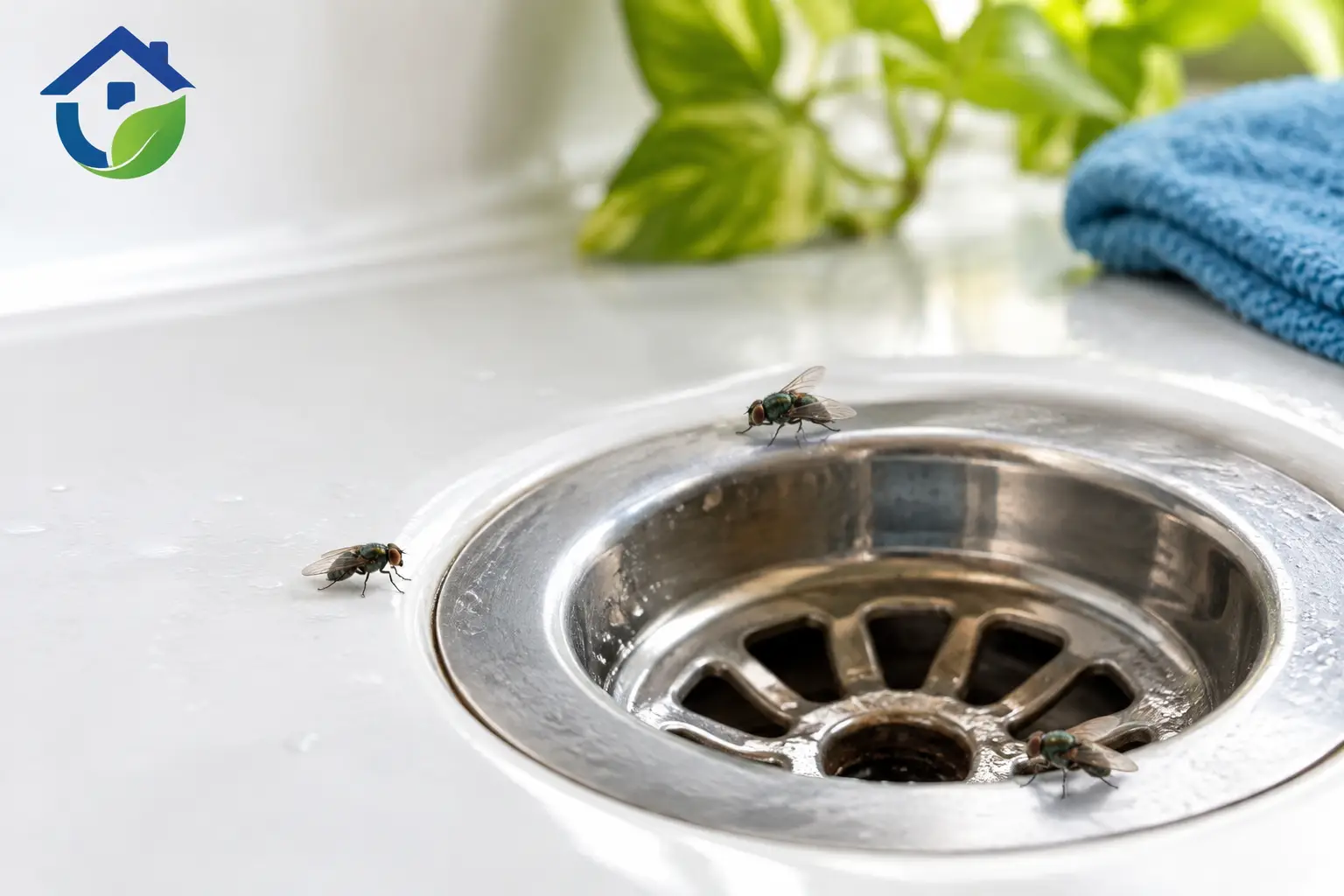
Some signs should not wait for the next convenient appointment. Multiple rodents, recurring cockroach activity, bed bug concerns, stinging insect nests near high-traffic areas, bird activity around food or ventilation equipment, and flies in a food-service area all deserve a quick response. The same is true when a customer, guest, tenant, patient, or employee may be affected.
Document what you see, including the location and time, without handling pests or applying random products first. Then contact a licensed pest professional who can assess the source and recommend a safe plan. For commercial facilities, notify the appropriate manager so sanitation, maintenance, and operations teams can correct contributing conditions at the same time.
Florida Bug Control serves homes and businesses with pest plans built around fast response, safe treatment, and follow-up that does not stop at the first visit. When pests come back, the conditions that allowed them in deserve another look too. Acting early, keeping records where they matter, and choosing qualified help gives your property the best chance to stay protected.