A dog rolling across a freshly treated lawn or a cat slipping behind the kitchen stove changes the pest-control conversation fast. In Florida, where ants, roaches, fleas, ticks, mosquitoes, and rodents can become year-round problems, safe pest control for pets Florida families can trust is not about skipping treatment. It is about using the right treatment, in the right place, at the right time.
That matters because pets do not interact with your home the way people do. They lick floors, chew at baseboards, nap in shaded mulch, and nose into corners where pests hide. A pest plan that works for a pet-free property may need adjustments in a home with dogs, cats, or other animals. The good news is that safe and effective pest control can absolutely coexist when the work is planned correctly.
What safe pest control for pets in Florida really means
Pet-safe does not mean no treatment at all, and it does not mean every product on a store shelf is automatically low risk. It means the treatment plan accounts for exposure. That includes what product is used, how much is used, where it is applied, how long it needs to dry, and whether pets need to be kept away during or after service.
In Florida, that level of planning matters more because pest pressure is constant. Warm temperatures, frequent rain, dense landscaping, and long mosquito seasons create conditions where infestations can build quickly. Waiting too long can force bigger interventions later, which is not ideal for anyone, especially in a home with pets.
A safer approach usually focuses on targeted treatment rather than broad overapplication. Crack-and-crevice work, exterior perimeter service, habitat reduction, and pest-specific solutions often reduce unnecessary exposure while still controlling the infestation. That is the difference between thoughtful pest management and guesswork.
The pests that create the biggest risk for pet owners
Some Florida pests are more than a nuisance. They can affect your pet’s comfort, health, and daily routine.
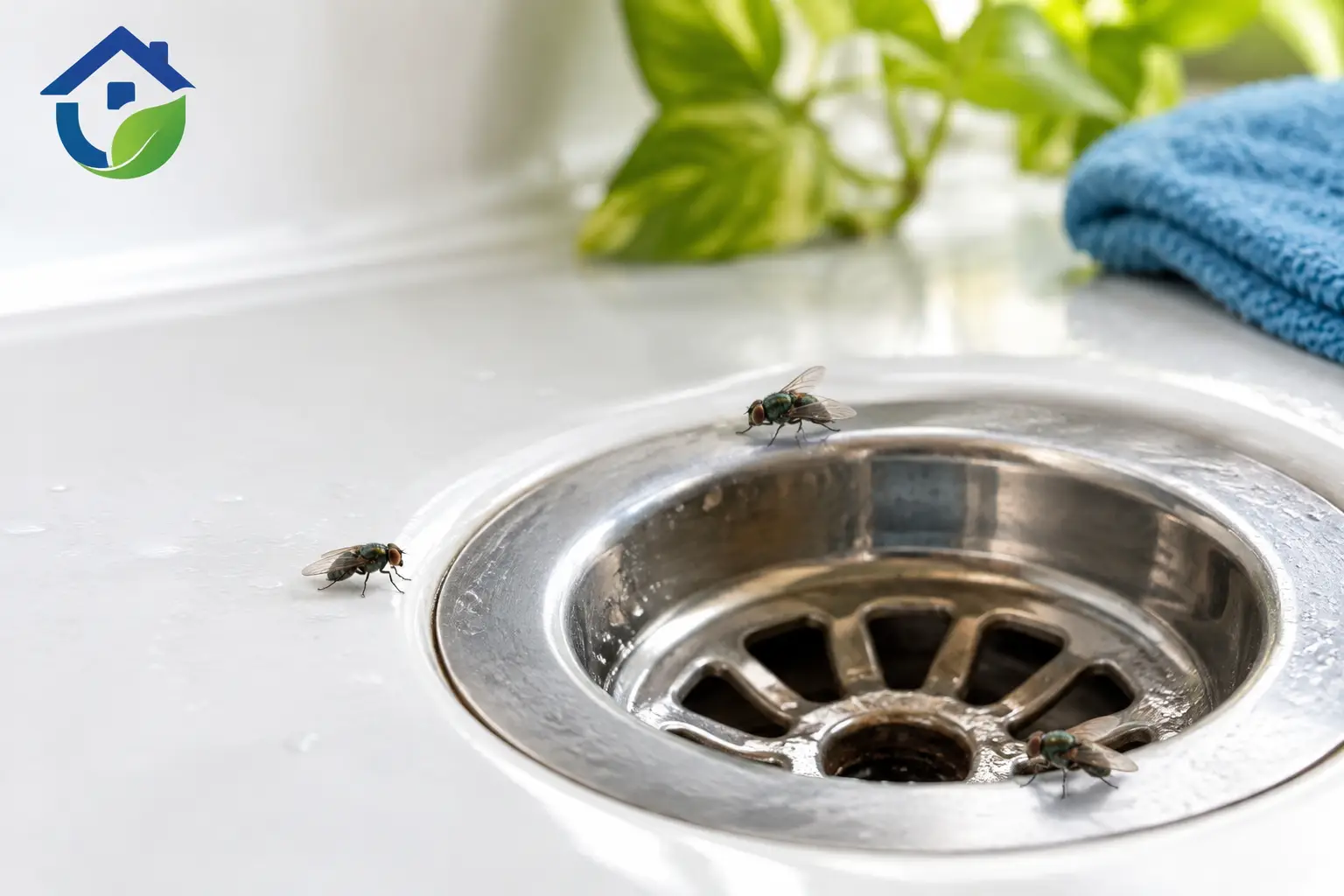
Fleas and ticks are obvious examples. Once they get indoors, they spread through bedding, rugs, furniture, and shaded outdoor areas where pets rest. Mosquitoes are another major concern, especially in humid parts of Florida where standing water is easy to miss. Rodents can contaminate food areas and leave droppings in garages, attics, or utility spaces. Roaches and ants may seem less personal, but they can still affect sanitation and trigger pets to sniff, paw, or eat things they should not.
This is why treatment decisions should start with pest identification. If the real issue is a flea population in the yard, treating only the kitchen does nothing. If rodents are entering through gaps around a utility line, spraying indoors is not enough. Safe pest control starts with solving the right problem.
Why DIY can be risky in pet-friendly homes
Many pet owners start with store-bought sprays, foggers, granules, or bait stations because they want a quick fix. That is understandable. The problem is that DIY pest control often creates two new issues at once – inconsistent results and avoidable pet exposure.
A flea fogger, for example, may seem like a broad solution, but it can miss the places where pests are actually developing while coating surfaces your pets use every day. Outdoor treatments can also go wrong when products are overapplied before a rainstorm or placed in areas where pets dig and roll.
Labels matter, and so do application details. Some products are safe only after drying. Others must never be used around food bowls, litter areas, pet bedding, or aquarium spaces. The average homeowner is not expected to know how different formulations behave in Florida heat, humidity, and rainfall. That is where professional guidance makes a real difference.
How professionals make pest control safer for pets
A trained technician should ask about pets before treatment begins. That includes the type of pet, where the animal spends time, whether there are indoor-only or outdoor-only areas, and whether there are special concerns like puppies, senior pets, birds, or fish.
From there, the treatment plan should be adjusted to reduce exposure without giving pests room to thrive. In many homes, that means emphasizing exterior barriers, entry-point sealing, targeted interior placement, and clear reentry instructions. If a pet has access to a treated yard, timing becomes important. If a cat hides in utility closets, those spaces need extra thought. If a commercial property allows pets or service animals, treatment scheduling may need even tighter coordination.
This is also why communication matters. Homeowners should know where products were applied, how long treated areas need to dry, and what simple steps help the treatment work better. Safe service is not just about chemistry. It is about process.
Indoor treatment and pet safety
Inside the home, the safest strategy is usually precision. Instead of treating every visible surface, professionals often focus on pest travel routes, harborage areas, and entry points. That may include cracks near plumbing, gaps under sinks, appliance voids, garage edges, and wall-floor junctions.
For pet owners, this approach matters because it limits unnecessary contact. Pets are much less likely to interact with treatment placed in inaccessible or low-contact areas than with broad surface sprays across open floors and furniture.
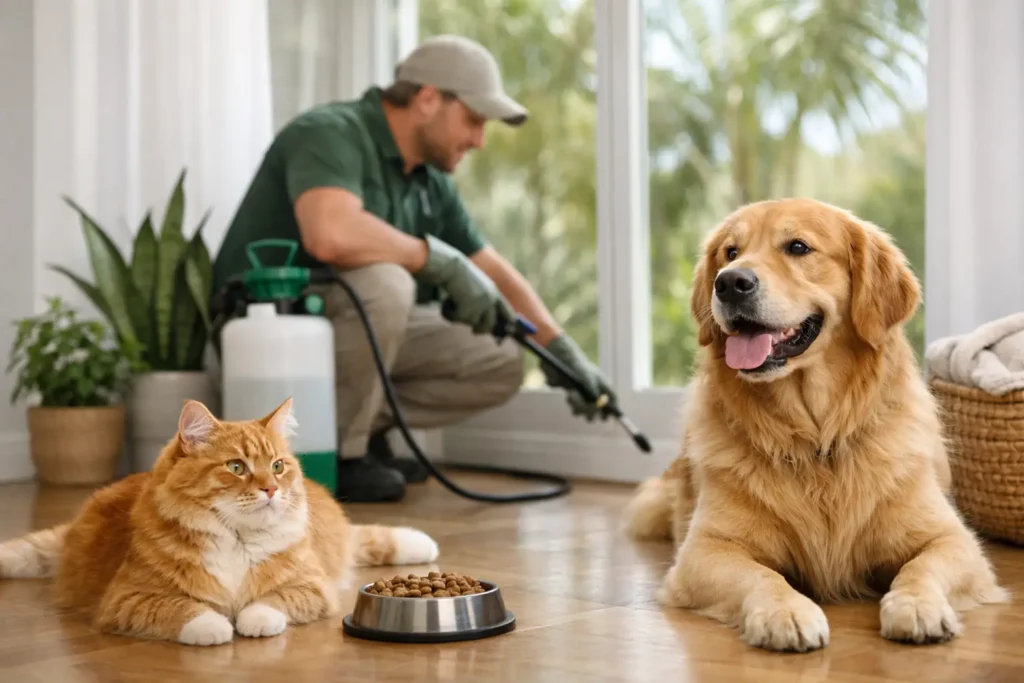
Preparation also helps. Food bowls should be picked up before service. Pet toys and bedding should be moved if they are near treatment areas. Litter boxes, cages, and feeding stations should be identified in advance. None of this is complicated, but it makes the service cleaner and safer.
Yard treatments, mosquitoes, and outdoor pets
Florida yards bring their own challenges. Mosquitoes breed fast, fleas thrive in shaded areas, and ants often build close to patios, foundations, and pet run zones. Outdoor treatment can be very effective, but it has to be matched to the space.
A yard with dogs may need special attention around fence lines, shaded resting spots, under decks, and along the perimeter where pests move in. Timing matters here too. If an application needs time to settle or dry, pets should stay off the area until the technician says it is safe to return.
It also helps to reduce pest pressure between visits. Dump standing water from planters and toys. Keep grass trimmed. Wash pet bedding regularly. Clear leaf buildup where fleas and other pests can shelter. These small steps support the treatment and can reduce how much intervention is needed over time.
Questions pet owners should ask before service
If you are hiring a pest control company, ask direct questions. A good provider should be comfortable answering them clearly.
Ask whether the treatment plan will be adjusted for pets. Ask where products will be placed and whether your pets need to leave the home or yard during service. Ask how long you should wait before allowing pets back into treated areas. If you have birds, reptiles, fish, or small mammals, say so up front. Those situations may require extra precautions.
You should also ask what happens if pests come back. In Florida, recurring pressure is common. A provider that stands behind the work and returns when needed gives you a safer long-term path than repeated DIY retreatments.
Safe pest control for pets Florida families can live with long term
The best pest control plan for pet owners is not the most aggressive one. It is the one that stays effective without creating unnecessary risk. In practice, that often means ongoing prevention, regular inspections, and quick response when pest activity first appears.
That is especially true in Florida, where mild winters allow many pest populations to keep moving. A reactive approach can turn into a cycle of surprise infestations and rushed treatment decisions. A preventive approach is steadier. It gives technicians time to identify pressure points, use more targeted methods, and keep your home protected before the problem escalates.
For many households and properties, that balance is exactly what matters most. You do not want pests. You do not want uncertainty either. You want clear answers, fast service, and treatment that respects the fact that pets are part of the family.
If your home, rental, or commercial property needs pest control, say that early and say it clearly. The right provider will build around it, not treat it like an afterthought. When safety, speed, and experience work together, you can protect your space without making your pets pay the price.