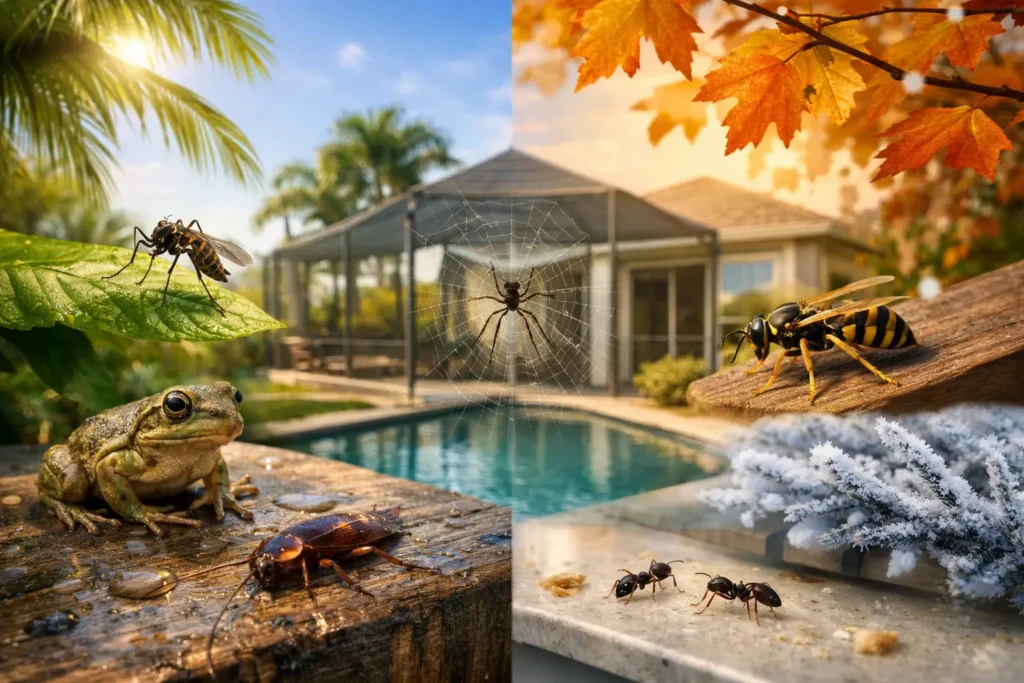
Florida pests do not follow a neat northern schedule. A warm week in January can bring mosquito activity, a heavy summer storm can push ants indoors overnight, and a brief cold snap can send rodents looking for shelter. This seasonal pest calendar for Florida helps homeowners, renters, property managers, and business operators plan ahead instead of waiting for an infestation to become disruptive.
The calendar is a guide, not a guarantee. Florida’s weather varies from Tallahassee to Miami, and local rain, landscaping, construction, sanitation, and building conditions all affect pest activity. Still, knowing what tends to happen each season makes prevention faster, safer, and far less stressful.
Winter: January and February
Florida winters may feel mild, but pests are still active. The biggest change is where they are found. When temperatures dip, pests that normally stay outdoors often move closer to warm, protected buildings.
Rodents are a major winter concern. Small gaps around plumbing lines, attic vents, garage doors, rooflines, and utility entrances can become access points. Once inside, rodents may contaminate food storage, damage insulation and wiring, and create ongoing sanitation concerns. Homes with cluttered garages and businesses with loading areas or stored inventory need particular attention.
Cockroaches also remain active indoors throughout winter, especially around kitchens, bathrooms, floor drains, water heaters, and break rooms. In multifamily properties, restaurants, healthcare settings, and hospitality spaces, one untreated source can affect more than one unit or area.
Winter is a smart time to focus on exclusion. Seal obvious gaps, repair door sweeps, keep storage elevated where possible, and address moisture beneath sinks or around HVAC equipment. If you are hearing scratching in walls, finding droppings, or seeing roaches during daylight, do not wait for warmer weather. Those signs often point to an established issue.
Spring: March through May
Spring rain and rising temperatures create ideal conditions for many Florida pests. This is when preventive service can make a meaningful difference, because populations are beginning to build before summer heat accelerates them.
Ants become more visible
Ant trails around countertops, pet bowls, patios, sidewalks, and exterior walls are common in spring. Rain can flood outdoor nesting areas and drive ants toward dry indoor spaces, while new food sources make homes and commercial properties more attractive.
Cleaning visible trails alone rarely solves the full problem. Ant colonies can be located in wall voids, landscaping, mulch beds, pavement cracks, and hidden exterior areas. The right approach depends on the species, the nesting location, and whether activity is coming from outside or has already moved indoors.
Mosquito season starts building
Mosquitoes become more noticeable as rain fills gutters, plant trays, toys, tarps, birdbaths, and other containers. It does not take a large pond to create a breeding site. Even small amounts of standing water can support mosquito development.
Walk your property after rainfall and empty or refresh standing water where you can. Keep gutters flowing, trim dense vegetation near gathering areas, and make sure outdoor drains are working properly. For properties with frequent mosquito pressure, early-season treatment helps reduce activity before outdoor living, events, and peak travel periods begin.
Wasps and spiders return to active areas
Wasps begin building nests around eaves, sheds, fence lines, outdoor equipment, playgrounds, and patio structures. Spiders also become more noticeable in garages, storage areas, porches, and landscaping. Most spider activity can be reduced by clearing webs, limiting clutter, and trimming vegetation away from the building, but repeated sightings in living or work areas deserve professional attention.
Summer: June through August
Summer is Florida’s high-pressure pest season. Heat, humidity, frequent storms, and increased outdoor activity create conditions that support fast reproduction and constant movement. This is the season when a small problem can become an urgent one.
Mosquitoes are at their peak
Summer rainfall can turn a quiet backyard, apartment courtyard, hotel pool area, or restaurant patio into a mosquito hotspot quickly. Mosquitoes are more than an annoyance. Their bites can interfere with work, sleep, recreation, and guest comfort.
Source reduction remains essential, but it has limits. Nearby drainage areas, dense vegetation, and neighboring properties can all contribute to mosquito pressure. Professional mosquito management focuses on the areas where mosquitoes rest and breed, while helping reduce activity around the places people use most.
Flies, cockroaches, and sanitation-sensitive pests
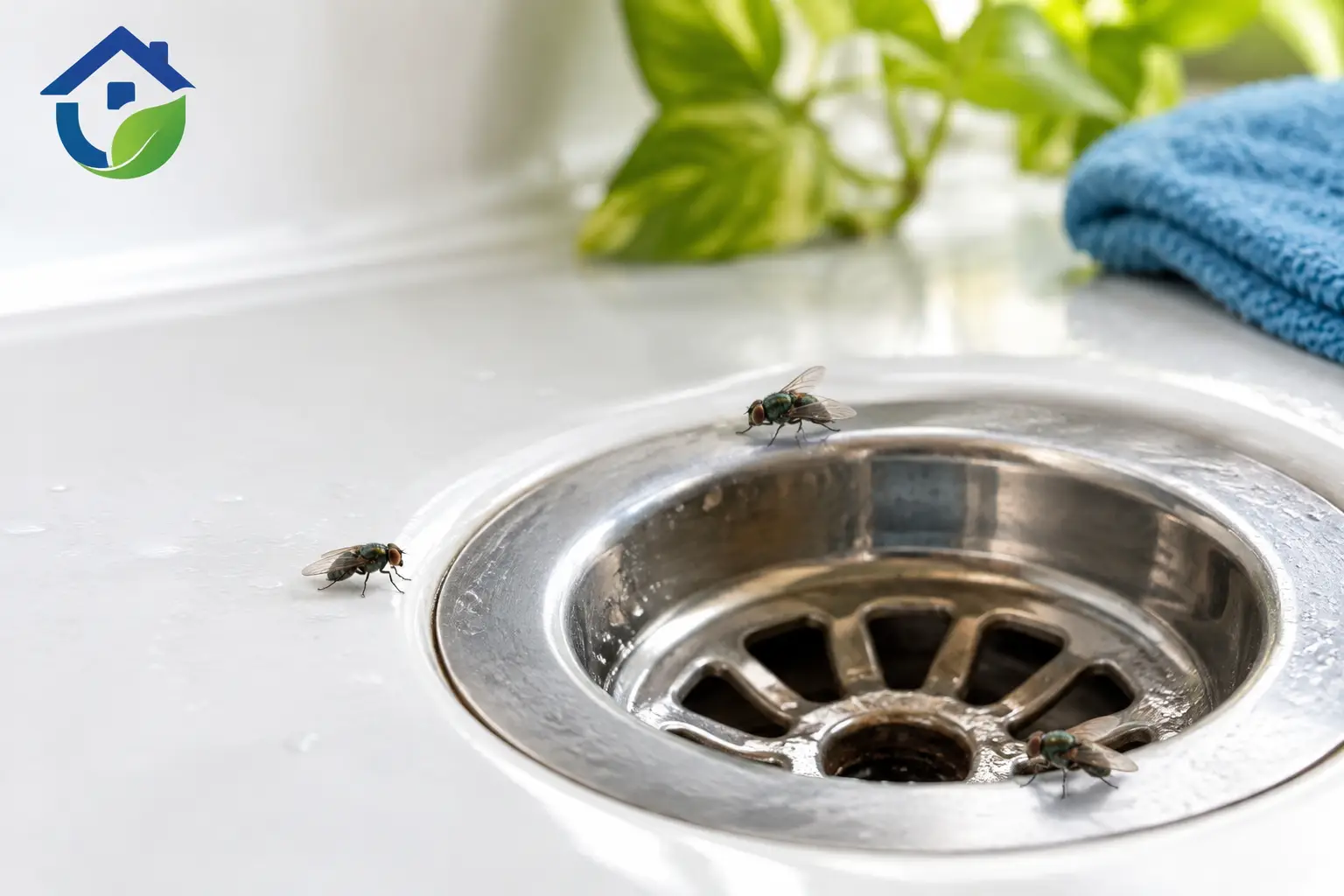
Food, moisture, and heat make summer especially challenging for flies and cockroaches. Residential kitchens and trash areas need regular cleaning, but commercial facilities require even tighter routines. Restaurants, food production operations, healthcare facilities, schools, and retail spaces cannot afford to treat pest activity as a minor maintenance issue.
Keep trash containers closed and cleaned, remove food debris from drains and equipment areas, and avoid letting cardboard, pallets, or storage clutter collect near entrances. If flies or cockroaches appear repeatedly, the source may be deeper than what is visible. A targeted inspection can identify breeding areas, moisture problems, entry points, or sanitation gaps.
Fleas and ticks affect pets and people
Fleas and ticks are often brought onto a property by pets, wildlife, or outdoor activity. Fleas can continue reproducing indoors after they are introduced, particularly in carpeted rooms, pet bedding, furniture, and shaded outdoor areas. Ticks are more likely around tall grass, brush, woodlines, and areas visited by wildlife.
Pet treatment is part of prevention, but it may not resolve an active home infestation by itself. Vacuuming, laundering pet bedding, treating the environment when necessary, and managing outdoor harborage all matter. For families with children or pets, a fast, safe response is especially important.
Fall: September through November
Fall in Florida is not always cool, but changes in rainfall and storm patterns can shift pest behavior. Late-season mosquitoes may remain intense after wet weather, while ants, roaches, rodents, and occasional invaders increasingly seek stable food and shelter near buildings.
This is also a practical time to inspect what summer weather damaged. Check screens, weatherstripping, roofline openings, utility penetrations, and garage seals. Remove leaf buildup from gutters and drains. Trim tree limbs or shrubs that touch the building, since vegetation can provide a direct route to upper walls, windows, and roof areas.
Property managers should pay close attention to vacant units, storage rooms, dumpsters, laundry areas, and shared trash spaces. These locations can become pest sources before residents or guests notice a problem. Regular service visits are often less disruptive and more cost-effective than responding after complaints begin.
Holiday Season: November and December
Holiday travel, deliveries, decorations, guests, and extra food can create pest opportunities even when outdoor activity slows. Bed bugs can be introduced through travel, luggage, used furniture, or high-turnover environments. Unlike many pests, bed bugs are not a cleanliness issue. They are hitchhikers, and early identification matters.
Watch for small bites that appear after sleeping, dark spotting around mattress seams or bed frames, shed skins, or live insects in sleeping areas. Avoid moving suspected items through the home or taking furniture to another room, which can spread the problem. Professional inspection and treatment provide the clearest path forward.
Holiday food preparation can also increase ant, fly, and cockroach activity. Store dry goods in sealed containers, clean behind appliances, take trash out regularly, and avoid leaving pet food available overnight. These small habits help, but recurring sightings are a reason to call for help rather than repeatedly trying temporary fixes.
How to Use This Florida Pest Calendar
The best pest control plan combines seasonal awareness with quick action. Start by noting what you see, where you see it, and when it appears. A few ants near an exterior door after a storm may need a different response than trails in the kitchen every morning. One mosquito after a rainstorm is not the same as a backyard where people cannot comfortably spend time outside.
For homes, focus on food, water, entry points, and clutter. For businesses, add sanitation procedures, receiving areas, employee break rooms, waste management, storage practices, and documentation. The right schedule depends on the property and the pest pressure, but consistent prevention is usually easier than recovering from an established infestation.
Florida Bug Control provides safe, fast, and guaranteed service for the pest problems Florida properties face all year. If pests come back, so do we. Whether you need urgent help or want to prevent the next seasonal surge, the right time to act is when you first notice the signs.