A single palmetto bug racing across the kitchen floor can make a clean home feel anything but protected. Learning how to prevent palmetto bugs indoors means addressing the conditions that attract them, the tiny gaps that let them in, and the hidden areas where they can survive. In Florida, warm weather and humidity give these large cockroaches plenty of opportunities to move from outdoors into homes, apartments, offices, and food-service spaces.
Palmetto bug is a common Florida name for several large cockroach species, often including American and smokybrown cockroaches. They typically live outside in mulch, leaf litter, sewers, drains, trees, and utility areas. Seeing one indoors does not always mean you have a breeding infestation, but repeated sightings deserve prompt attention. These pests are fast, resilient, and capable of carrying contaminants into food-prep and living areas.
How to Prevent Palmetto Bugs Indoors at the Source
The most effective prevention is not one product or one cleaning session. It is a layered plan that makes your property harder to enter, less attractive to explore, and less accommodating if a bug gets inside.
Seal the routes they use to enter
Palmetto bugs can squeeze through surprisingly narrow openings. Start at the exterior of the building and look closely around doors, windows, utility penetrations, pipes, vents, and the foundation. Replace worn door sweeps, repair torn window screens, and seal gaps around plumbing and electrical lines with appropriate materials.
Pay special attention to exterior doors that are used often, including garage-to-home doors, patio doors, storage-room entrances, and doors near trash areas. If you can see daylight around a closed door, insects may have a path inside. Weatherstripping also helps reduce cooled-air loss, so this is one improvement that can benefit comfort as well as pest prevention.
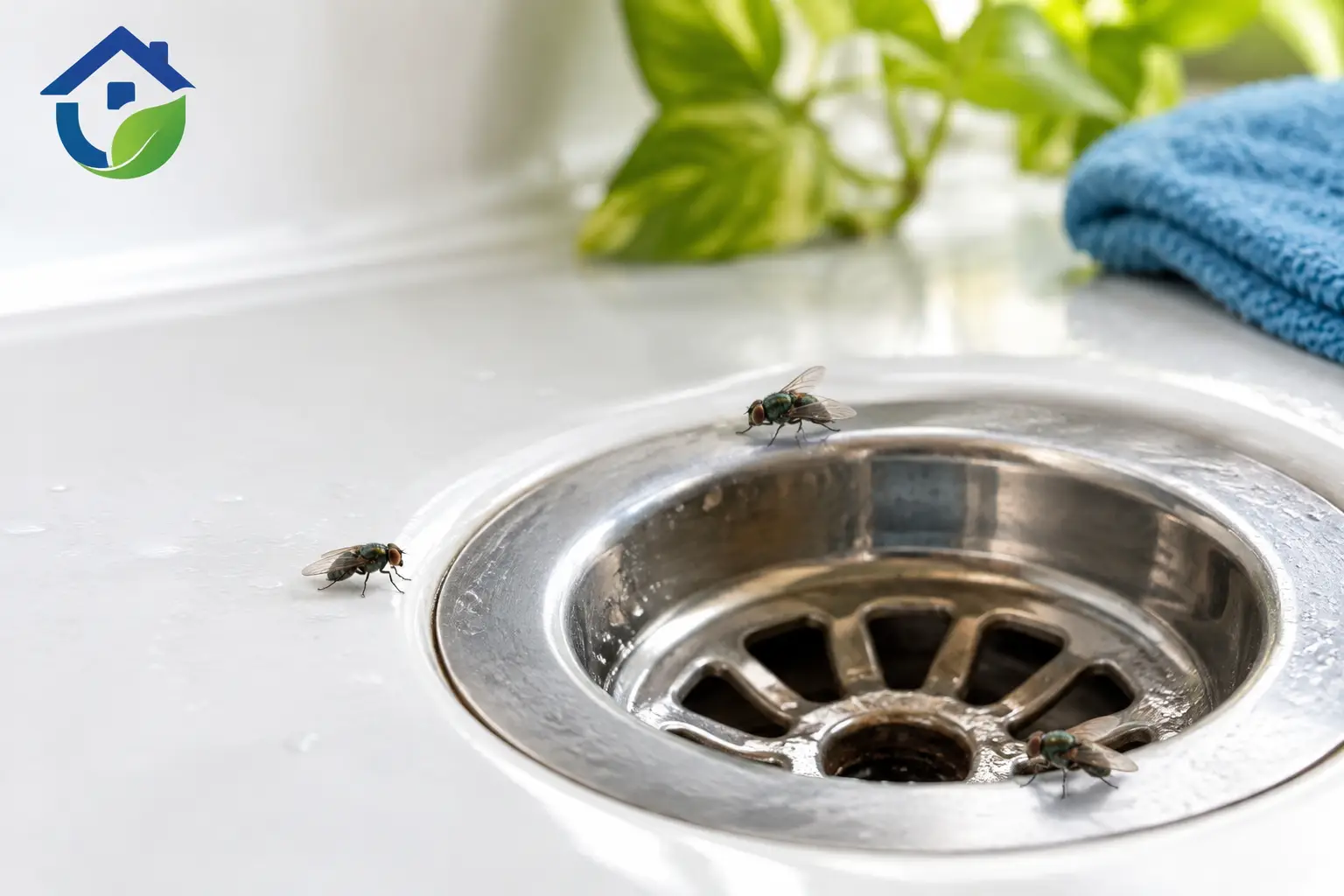
Drains need attention too. Bugs may travel through plumbing voids or enter around drain lines, particularly in bathrooms, laundry rooms, kitchens, break rooms, and utility closets. Keep seldom-used floor drains from drying out by adding water periodically. A dry trap can remove a barrier that normally blocks pests and odors from moving upward.
Remove moisture before it becomes a hiding place
Water is one of the strongest indoor attractants for palmetto bugs. A few crumbs may bring a bug through the room, but a dependable moisture source can keep it around. Check under sinks, behind refrigerators, around dishwashers, near water heaters, and beneath washing machines for slow leaks or condensation.
Run bathroom exhaust fans during and after showers, repair dripping faucets, and avoid leaving wet towels or mop heads in closed, humid spaces. In Florida homes, garages, laundry rooms, and closets along exterior walls can be especially prone to moisture buildup. A dehumidifier may help in persistently damp areas, but it will not replace repairing the source of the water.
Outside, direct gutters and downspouts away from the foundation. Standing water near the building, clogged gutters, and leaking irrigation can create damp conditions that draw pests close to the structure before they find a way inside.
Make Food and Clutter Less Available
Palmetto bugs are scavengers. They do not need an obvious mess to find a meal, but small, repeated food sources make a property more inviting. Clean counters after food preparation, sweep or vacuum crumbs from floors, and do not leave pet food out overnight when possible.
Store pantry items in tightly sealed containers rather than relying on opened bags or thin cardboard boxes. Wipe sticky spills from cabinets and appliances, including the sides of trash cans and recycling bins. Take garbage out regularly, and use bins with lids that close securely.
Clutter does not create palmetto bugs, but it gives them more places to hide undisturbed. Cardboard boxes, paper bags, stacked magazines, and crowded storage areas can make inspections difficult and provide shelter near food or moisture. Use plastic storage totes with fitted lids for long-term storage, and keep items raised off the floor when practical.
For commercial properties, prevention needs to be consistent across shifts. Break rooms, stockrooms, loading areas, mop sinks, dumpsters, and employee lockers all need regular sanitation and inspection. A clean customer-facing space is not enough if food debris or excess moisture is building up behind the scenes.
Change the Conditions Outside Your Building
Many indoor palmetto bug problems begin a few feet from the exterior wall. Reduce harborage near the building by keeping mulch, leaf piles, firewood, stored materials, and dense vegetation away from the foundation. Trim shrubs and tree branches so they do not touch siding, rooflines, or windows.
Keep outdoor trash and recycling areas clean, covered, and positioned as far from entry doors as the property layout allows. If bins sit against the building, bugs can move from the bin area directly to cracks, utility lines, or door gaps.
Exterior lights can also play a role. Bright lights may draw insects toward entrances, and palmetto bugs may follow the activity around those areas. Consider placing lighting away from doors when possible or using bulbs that are less attractive to insects. This is not a complete solution, but it can reduce activity at common entry points.
Use Store-Bought Treatments Carefully
Sticky monitors can be useful for detecting activity in kitchens, bathrooms, utility rooms, garages, and under sinks. They help show where bugs are traveling and whether sightings are isolated or ongoing. Place them along walls and behind appliances, not in the middle of open floors.
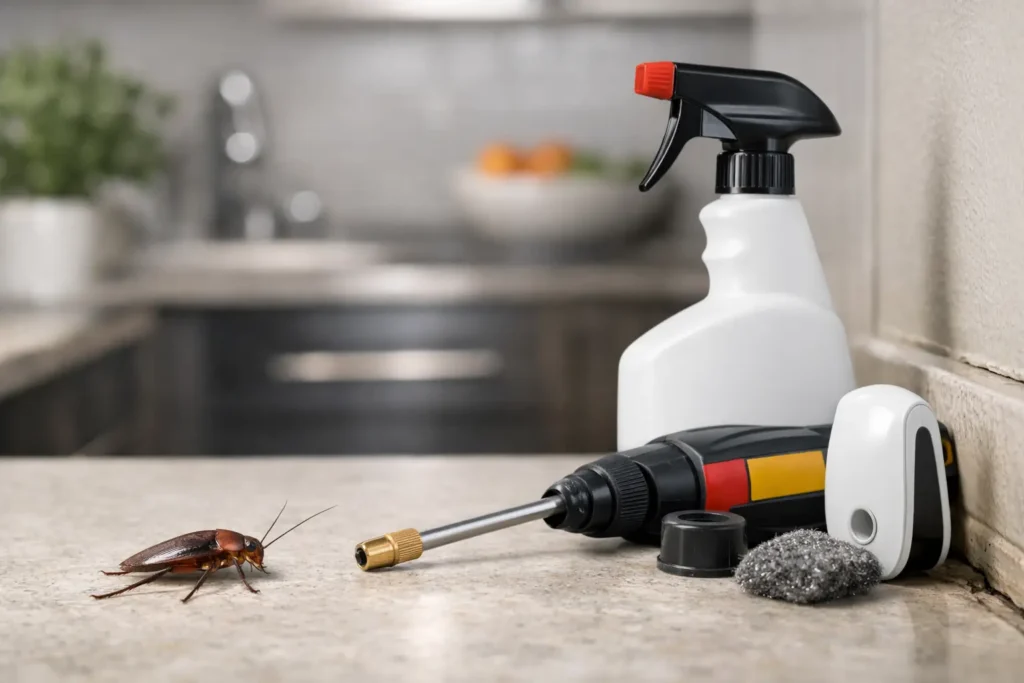
Over-the-counter baits or labeled treatments may help with limited activity, but they have trade-offs. Spraying visible bugs alone rarely solves the source of the problem, and excessive use of repellent products can push pests deeper into wall voids or away from bait placements. Products must always be used exactly as labeled, especially around children, pets, food, and food-contact surfaces.
Avoid relying on foggers or bug bombs indoors. They often fail to reach the cracks, voids, and protected areas where cockroaches rest. They can also create unnecessary exposure and may scatter insects into new areas. Effective control depends on identifying where pests are entering and harboring, then treating those locations safely and precisely.
Know When a Palmetto Bug Problem Needs Professional Help
One bug after a heavy rain or an open door may be an occasional intruder. Regular sightings, daytime activity, droppings, egg cases, a musty odor, or bugs appearing in multiple rooms suggest a larger issue. The same is true when you have sealed and cleaned but activity continues.
Apartments, condos, restaurants, healthcare settings, and multi-tenant commercial buildings can be more complicated because pests may travel through shared walls, plumbing lines, utility spaces, or loading areas. In those cases, one unit’s cleaning routine cannot solve a building-wide access problem. Professional inspection helps pinpoint the pressure points and determine whether the activity is coming from outdoors, interior voids, or another connected area.
A trained technician should look beyond the bug you saw. The right plan may include exterior treatment, targeted interior work, exclusion recommendations, moisture correction, and follow-up monitoring. The goal is to reduce current activity without treating every surface unnecessarily.
Florida Bug Control provides safe, fast, and guaranteed pest management for Florida properties facing persistent palmetto bug activity. If pests come back, so do we, with return visits until the issue is resolved.
The best time to prevent an indoor palmetto bug problem is before sightings become routine. Close the gaps, dry the damp spaces, protect food, and act quickly when the pattern says something more than an occasional visitor is getting inside.