A pest problem can make a home feel uncomfortable fast. In a restaurant, clinic, apartment community, or warehouse, it can also create sanitation concerns and disrupt daily operations. Pest treatment safety means more than choosing a product and applying it. It means identifying the pest correctly, treating only where needed, protecting the people and animals on-site, and preventing the problem from returning.
For Florida homes and businesses, that careful approach matters. Heat, humidity, frequent rain, and year-round pest activity can create pressure that a one-size-fits-all treatment may not solve. The safest plan is one built around the property, the pest, and the people who use the space.
What Pest Treatment Safety Actually Means
Safe pest control is not the same as doing nothing or relying only on products labeled “natural.” Any treatment, including a household product, can create problems when it is used incorrectly, stored carelessly, or applied to the wrong area. On the other hand, a properly planned professional treatment is designed to control pest activity while reducing unnecessary exposure.
A safety-first service begins with inspection and identification. Different pests behave differently. Ants may be traveling along a moisture source, while rodents may be entering through a gap near a utility line. Mosquitoes may be breeding in standing water, and cockroaches may be hiding near warmth, food, or plumbing. Treating the visible pest without addressing the source can lead to repeat activity and repeated applications.
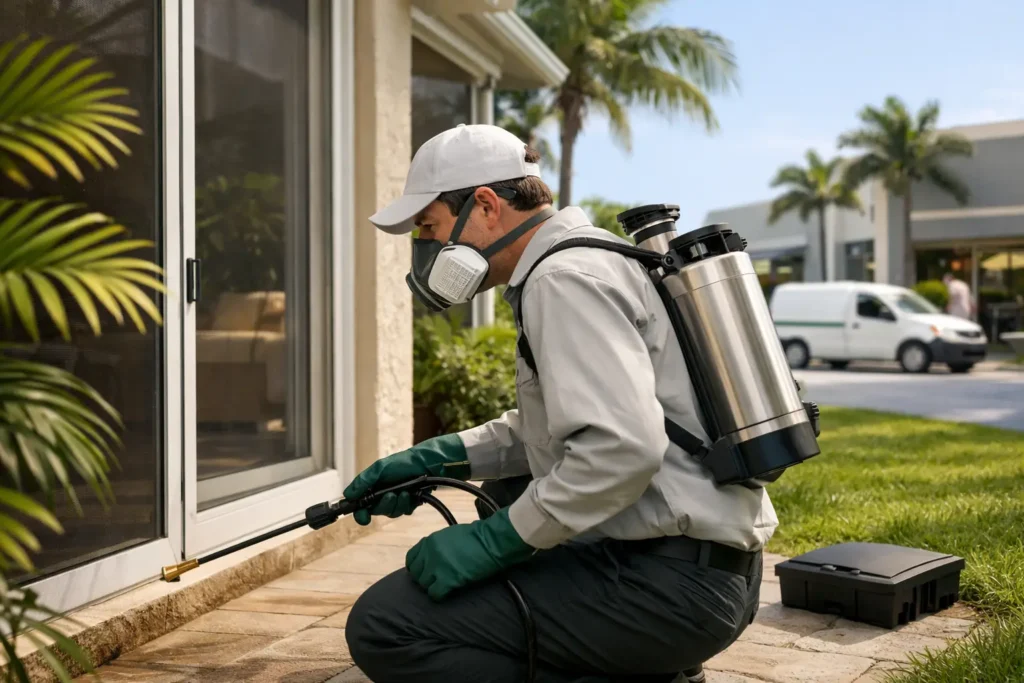
The goal is targeted control. That can include exclusion work, sanitation recommendations, monitoring, trapping, baits placed in protected areas, and carefully selected treatments when they are needed. The right tools depend on the situation. A family with crawling babies and pets needs a different treatment plan than an empty storage room or a commercial loading dock.
The Steps That Make Treatments Safer
A qualified technician should explain what is being treated, why it is being treated, and what you need to do before and after service. Clear communication is part of safety, not an extra.
Before treatment, remove or cover food, pet bowls, children’s toys, and exposed food-preparation items if instructed. Aquariums deserve special attention because fish are highly sensitive to many pest control products. Follow the technician’s guidance on covering the tank, turning off air pumps when appropriate, or relocating it temporarily.
People and pets may need to stay out of specific treated areas until products have dried or for another stated period. The right reentry time depends on the product, where it was applied, ventilation, and the type of service performed. Do not guess. Ask directly, especially if the property includes infants, older adults, pregnant residents, people with respiratory sensitivities, or pets with health concerns.
After service, resist the urge to immediately scrub every treated edge, crack, or protected placement. Some treatments need time to work, while others are applied only to areas that should not be touched or cleaned. Your technician should tell you exactly which surfaces can be cleaned, which areas to avoid, and what signs of pest activity to watch for.
Why DIY Treatments Can Create Avoidable Risks
Store-bought products have a place for minor, clearly identified issues, but they are not automatically safer because they are available on a retail shelf. Misuse often happens when someone applies too much, mixes products, treats the same spot repeatedly, or uses an indoor product outdoors and vice versa.
Foggers and total-release aerosols are a common example. They may not reach pests hiding in wall voids, behind appliances, or beneath equipment. They can also leave residue across broad surfaces and may create additional hazards if used improperly. For a persistent infestation, broad application can be less effective than a targeted treatment performed after a proper inspection.
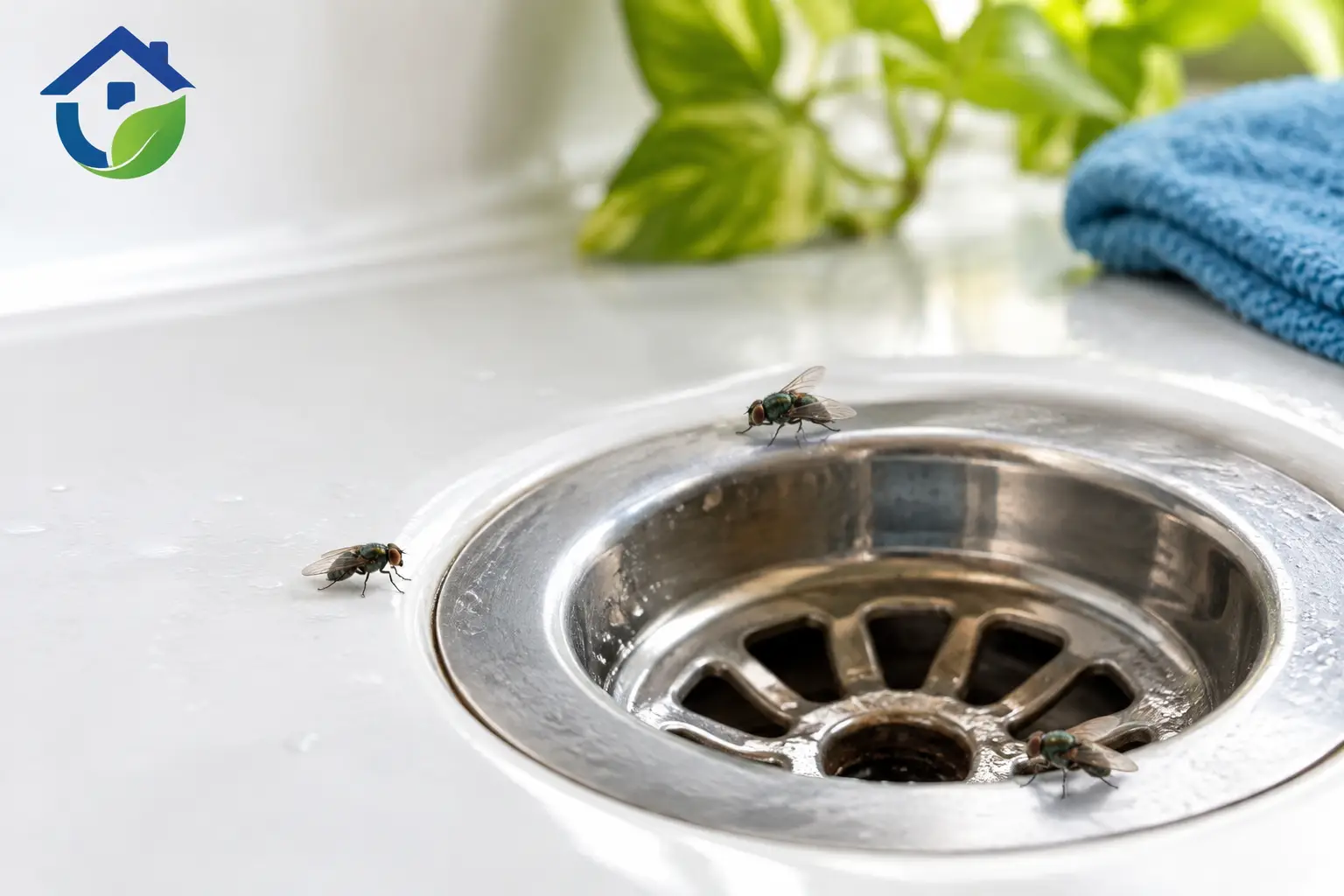
DIY treatment can also mask the real issue. If rodents are entering through a damaged vent, spraying around the kitchen will not stop them. If flies are breeding in a drain or garbage area, fragrance-based sprays may reduce visible activity for a few hours without correcting the source. A good pest management plan solves the conditions that support the pest, not just the moment you see it.
Pest Treatment Safety in Homes With Children and Pets
Children and pets explore at floor level. They touch baseboards, investigate corners, and sometimes put unexpected things in their mouths. That is why a technician needs to know who lives in the home before choosing treatment methods and placement locations.
Share practical details during the initial conversation. Mention dogs, cats, birds, reptiles, fish tanks, young children, crawling babies, or anyone with special health concerns. Also mention where pets sleep, where children play, and where food is prepared or stored. These details help shape a plan that protects the household without giving pests extra room to spread.
Homeowners can reduce pest pressure between visits by keeping food sealed, cleaning spills promptly, managing indoor moisture, and removing clutter from garages, closets, and utility areas. Outside, empty standing water after rain when possible, keep trash containers closed, and trim vegetation away from walls and entry points. These steps do not replace treatment when there is an active infestation, but they often make professional control more effective.
Safety Standards for Commercial Properties
Commercial pest control requires more than a quick response. Hospitality, healthcare, food handling, education, retail, and industrial facilities each have different risks, operating schedules, and compliance needs. The safest plan protects customers and employees while respecting the way the facility actually functions.
For example, a food-service location may need service timed around prep and cleaning schedules. A healthcare setting may require close coordination with staff to protect sensitive areas. A property manager may need consistent documentation, tenant communication, and prompt action across multiple units. In each case, prevention, monitoring, sanitation, and exclusion are as valuable as the treatment itself.
A dependable provider should also recognize when a pest issue needs urgent attention. A wasp nest near a customer entrance, rodents in a break room, or cockroach activity in a food area should not wait for a vague future appointment. Fast service matters, but speed should never mean skipping inspection, safety instructions, or the right treatment protocol.
Questions to Ask Before a Pest Service
You do not need to be a pest expert to make an informed decision. Ask what pest has been identified, where the activity is coming from, and what treatment methods are recommended. Ask whether anyone needs to leave the property, how long to wait before reentering treated spaces, and what preparation is required.
It is also smart to ask what happens if pests return. Some infestations require follow-up because eggs hatch, seasonal conditions shift, or hidden entry points become apparent after the first service. A provider that stands behind its work should be clear about return visits and the next steps if activity continues.
Florida Bug Control approaches service with that level of accountability: inspect the issue, explain the plan, treat carefully, and return when needed until the problem is resolved. No-contract flexibility can be especially helpful for customers who need a fast response without being pushed into a service arrangement that does not fit their needs.
When to Call for Professional Help
Call a professional when pest activity is recurring, widespread, difficult to identify, or connected to health and sanitation concerns. You should also call when pests are stinging, biting, damaging property, contaminating food areas, or appearing in a commercial environment where customers, residents, or employees could be affected.
Do not wait until a small issue becomes a larger one. Take note of where and when you see activity, keep children and pets away from suspected nests or droppings, and avoid applying multiple products while you wait for an inspection. A clear picture of the problem helps the technician build a safer, more effective plan from the start.
The best pest service leaves you with more than fewer pests. It gives you clear instructions, practical prevention steps, and confidence that your home or business is being protected with care.