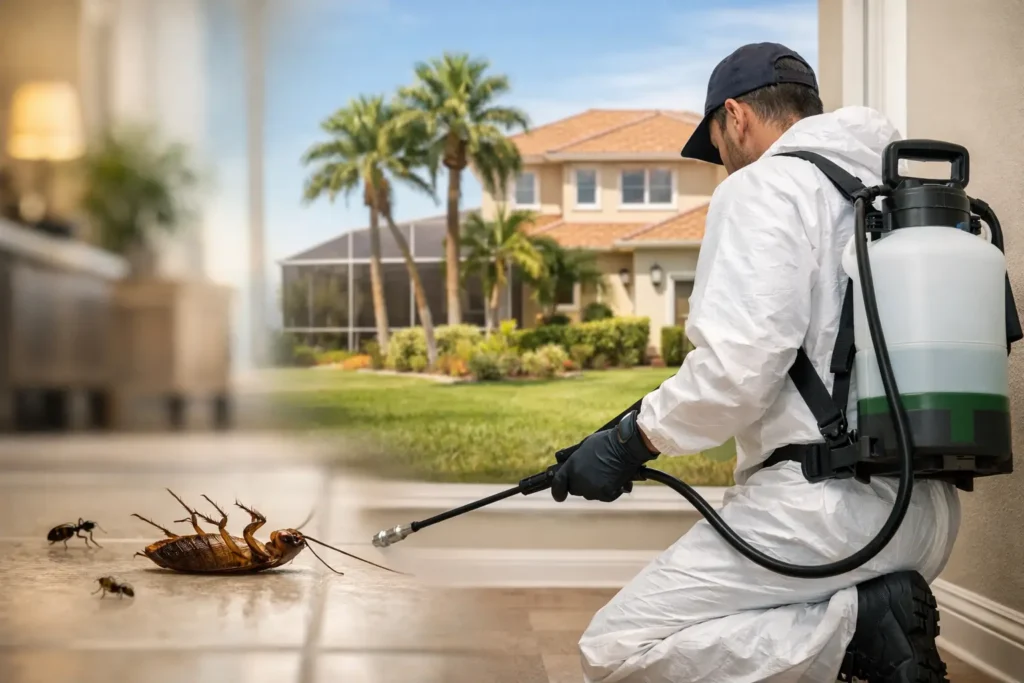
A trail of ants across the kitchen counter, roaches appearing after dark, or mosquito bites in your own backyard can make a property feel less safe overnight. Effective bug control is not about spraying every visible insect and hoping for the best. It is about finding the source, treating the right areas, and removing the conditions that allow pests to keep coming back.
Florida creates a nearly year-round pest season. Heat, humidity, frequent rain, dense landscaping, and busy indoor-outdoor activity all give pests the food, water, shelter, and entry points they need. A quick response matters, but the right response matters more.
Bug Control Starts With Correct Identification
Different pests leave different clues, and those clues shape the treatment plan. A few ants may point to a trail leading to a food source, while small piles of debris near wood or gaps around utility lines can signal a hidden access point. Roaches may be tied to moisture beneath sinks, appliances, or drains. Fleas and ticks often enter on pets or wildlife activity around the property. Mosquito pressure can build wherever water is allowed to stand.
That is why guessing can waste time. The wrong store-bought product may kill the bugs you see while leaving the nest, breeding area, or hiding place untouched. In some cases, repeated use of repellents can scatter pests into new areas of the home or facility.
A professional inspection looks beyond the obvious. It considers where pests are active, what attracts them, how they are entering, and whether the issue is isolated or part of a larger infestation. This approach is especially valuable when activity seems to disappear and then return days or weeks later.
What Effective Treatment Looks Like
Good pest management is targeted. The goal is to use the appropriate treatment in the appropriate location while protecting the people, pets, products, and daily operations inside the property.
For a home, treatment may focus on cracks around doors, plumbing penetrations, kitchen and bathroom moisture, garage edges, attic spaces, and the exterior perimeter. For a business, the plan may also account for loading docks, dumpsters, storage rooms, employee break areas, customer spaces, inventory, and sanitation routines.
A reliable treatment plan usually combines immediate control with prevention. Immediate service reduces active pest pressure quickly. Follow-up service confirms the issue is resolving and addresses any remaining activity. Prevention reduces the chance that the same conditions will create another problem.
The exact method depends on the pest and the setting. A restaurant, healthcare facility, apartment community, school, and single-family home do not face the same risks or require the same service schedule. That is why one-size-fits-all pest service often falls short.
Fast Service Is More Than Convenience
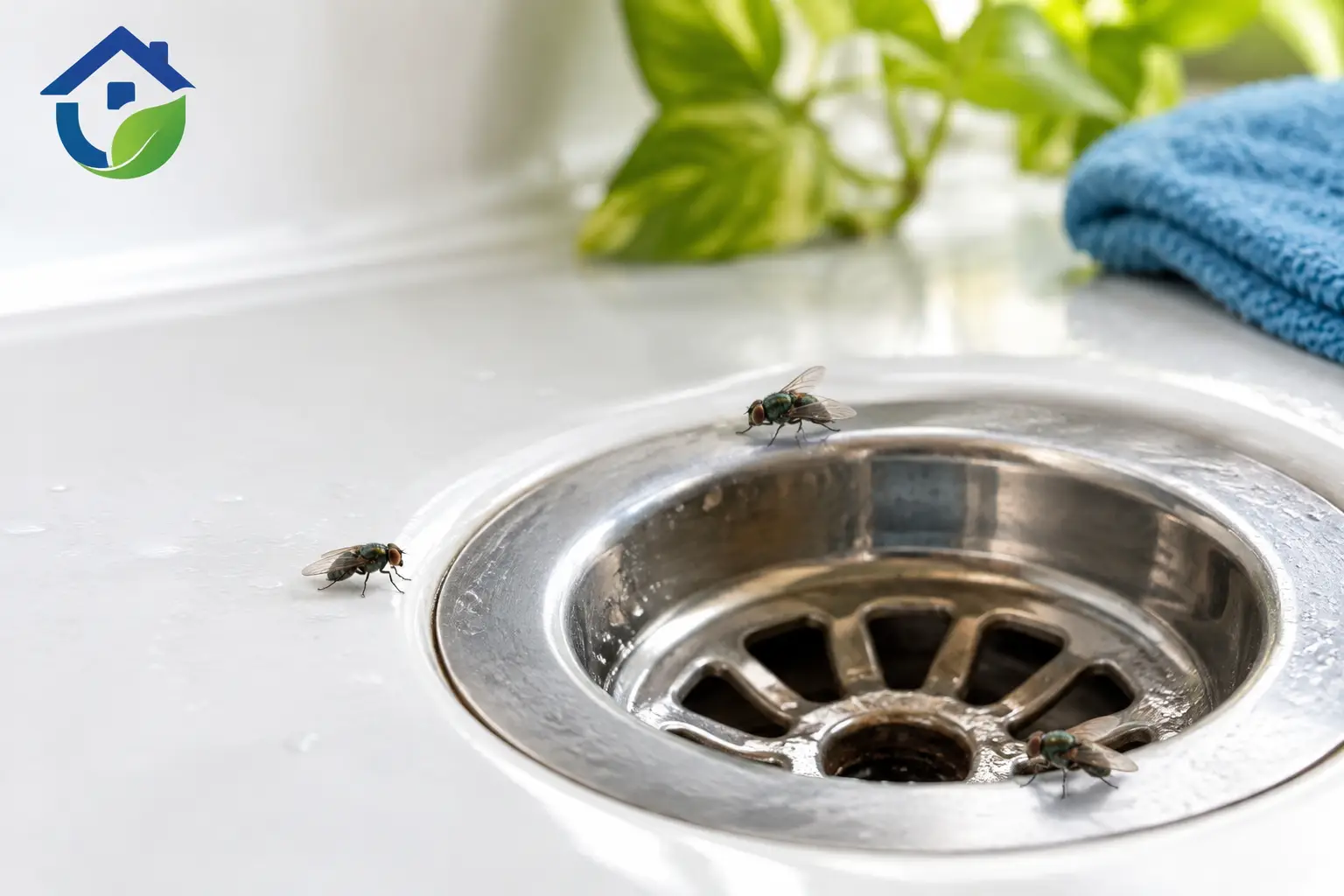
When pests are active, waiting can make a manageable issue more difficult. Roaches, flies, rodents, and bed bugs can spread through connected spaces or move deeper into walls, furnishings, storage, and equipment. Mosquitoes, fleas, ticks, and stinging insects can also create immediate comfort and health concerns for families, employees, guests, and customers.
Fast service allows a technician to assess conditions before they change and begin control before activity expands. It also gives property owners clear direction on what to do next, including whether cleaning, repairs, landscaping changes, or temporary access restrictions are needed.
Speed should not mean shortcuts. A rushed treatment without inspection may provide a brief reduction in activity but fail to address why the pests arrived in the first place.
Prevention That Makes a Real Difference
Professional treatment works best when it is paired with practical property habits. Prevention does not need to be complicated, but it does need to be consistent. Start by limiting easy access to food, water, and shelter.
Keep food in sealed containers, wipe crumbs and spills promptly, and avoid leaving pet food out overnight. Repair leaking pipes and check under sinks, behind appliances, and around water heaters for damp areas. Empty indoor trash regularly and keep outdoor bins closed. Outside, clear leaf buildup, trim vegetation away from the building, and remove containers that collect rainwater.
Entry points deserve equal attention. Weather stripping, door sweeps, window screens, pipe openings, utility lines, and damaged vents can all give pests a route indoors. A tiny gap may not seem like much, but many insects need very little space to enter.
For mosquito control, water management is often the biggest factor a property owner can influence. Check birdbaths, plant saucers, toys, tarps, gutters, buckets, and low spots in the yard after rain. Water that remains for several days can become a breeding site.
Prevention is not a substitute for professional help when an infestation is active. It is what helps treatment last after the immediate problem has been controlled.
When DIY Bug Control Is Not Enough
Do-it-yourself products can be useful for a minor, isolated pest sighting. A single spider near an exterior door or one fly that came in through an open window may not require a service visit. But recurring sightings, multiple pests, bites, droppings, odd odors, visible nests, or pest activity during the day are signs that a larger issue may be present.
Be cautious with indoor foggers and broad, repeated applications. They can leave residue where it is not needed, provide uneven coverage, and make it harder to understand where pests are actually living. Mixing products or using more than the label allows can also create safety concerns.
Call for professional bug control when you need a clear answer, not another guess. An experienced technician can identify the pest, explain the treatment, and tell you what level of follow-up is appropriate. For homes with children or pets, or facilities with food, patients, guests, or sensitive operations, that guidance is particularly valuable.
Commercial Bug Control Protects More Than the Building
For commercial properties, pest activity can affect reputation, employee comfort, customer trust, cleanliness standards, and operations. A single pest sighting in a dining area, retail floor, hotel room, or waiting room can create concerns far beyond the immediate problem.
Commercial pest management should be built around the facility’s daily reality. A food production site may need close attention to incoming shipments, drains, storage practices, and exterior waste areas. A hospitality property may need quick response protocols for guest rooms and common areas. A warehouse may need monitoring around dock doors, pallets, and perimeter vegetation.
Documentation and communication matter, too. Facility managers need to know what was found, what was treated, what conditions need correction, and when service will occur. The best plan supports operations instead of disrupting them.
Florida Bug Control provides residential and commercial service with the practical promise customers need during a pest problem: safe, fast, and guaranteed service. If pests return, the work should not be considered finished.
Choose a Plan That Fits the Problem
Some properties need a one-time treatment after a specific issue. Others benefit from recurring prevention because of their location, building design, landscaping, occupancy, or industry requirements. There is no advantage in paying for more service than a property needs, but there is real value in having a plan that prevents small issues from becoming expensive disruptions.
A free estimate and a direct conversation about your pest activity can help determine the right next step. Ask what pest has been identified, where it is likely coming from, what treatment is recommended, how long results may take, and what you can do between visits. Clear answers are a sign of service you can trust.
Pests are persistent, but they do not have to take over your property. Address activity early, correct the conditions that support it, and keep a trusted professional ready when the problem calls for more than a can of spray.