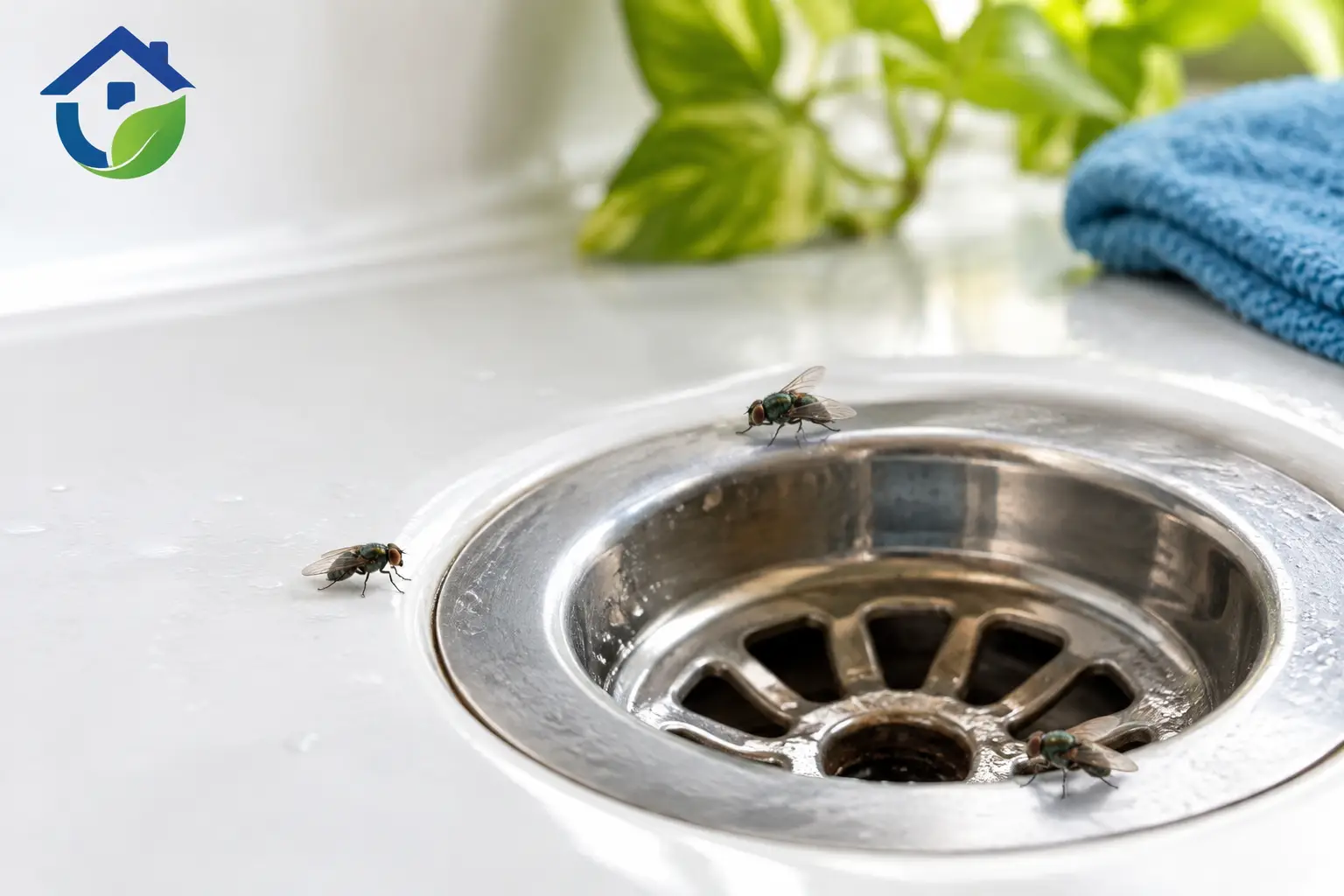
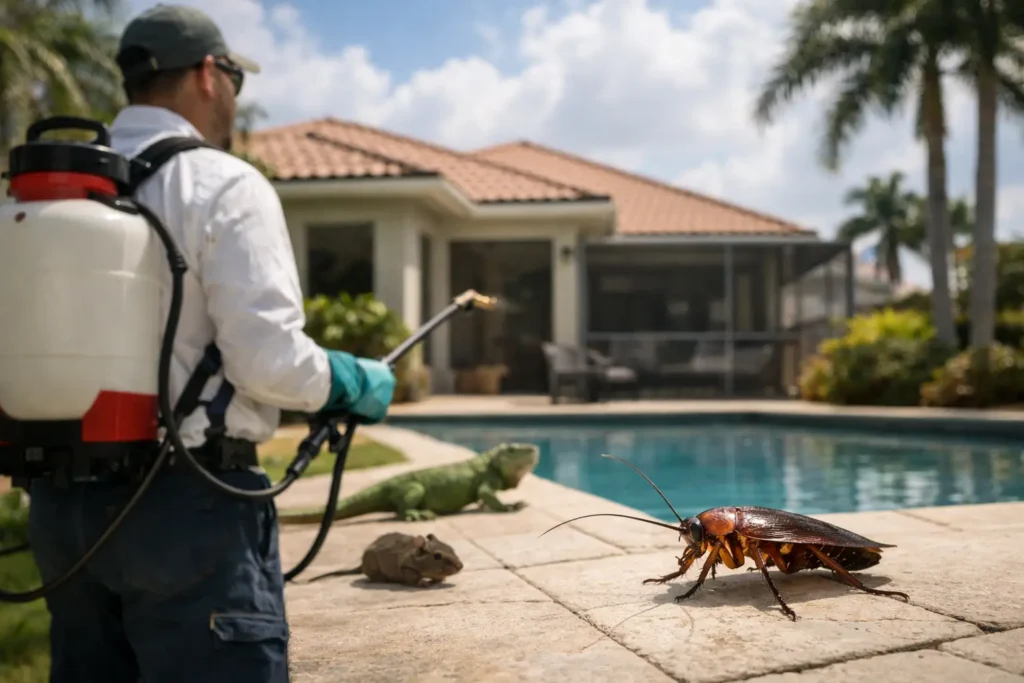
A few ants near the sink can become a trail across the kitchen by tomorrow. One cockroach in a storage room can raise bigger sanitation questions. Pest control services are not just about removing what you can see. They are about finding where pests are entering, what is sustaining them, and how to keep the problem from returning.
Florida properties face pest pressure nearly year-round. Warm temperatures, humidity, frequent rain, dense landscaping, food sources, and high occupancy all create favorable conditions for insects and rodents. For homeowners and businesses, fast action matters. So does choosing a provider that can solve the immediate issue without losing sight of prevention.
What Reliable Pest Control Services Should Do
A treatment that only targets visible pests may provide short-lived relief. Reliable service begins with inspection and identification. Different pests have different hiding places, food sources, breeding patterns, and entry routes. Treating the wrong area, or using a one-size-fits-all approach, can leave the source untouched.
A qualified technician should assess the activity level, inspect likely entry points, and look for conditions that allow pests to thrive. That may mean gaps around pipes, standing water near the building, overgrown vegetation against an exterior wall, unsecured trash, moisture under a sink, or clutter in a storage area. The right plan accounts for the pest, the property, and the people using the space.
For a family home, that includes thoughtful treatment around children, pets, kitchens, bedrooms, and outdoor living areas. For a business, it can include sanitation priorities, operating hours, customer-facing spaces, inventory protection, documentation, and the need to avoid disruption. The goal is not simply to apply a product. The goal is to regain control of the environment.
Why Florida Pest Problems Need a Local Approach
Florida’s climate changes the way pest management works. In colder regions, winter can slow activity and create a natural break in many pest cycles. Here, many pests remain active for long stretches of the year. Heavy rain can also push pests indoors, while dry periods can make water sources inside or near a building more attractive.
That is why service frequency depends on the situation. A single wasp nest may call for a focused visit and follow-up monitoring. Ongoing cockroach activity in a multifamily property may require coordinated treatment across affected units, sanitation guidance, and return visits. Mosquito pressure may be tied to drainage, landscape conditions, and standing water that needs attention between services.
There is no honest universal schedule for every property. A good pest professional explains what they found, why they recommend a particular approach, and what you can do to support results. Clear answers are especially valuable when the issue is urgent and stressful.
Signs It Is Time to Call a Professional
Waiting can turn a manageable concern into a larger infestation. Repeated sightings, droppings, chewed packaging, unusual odors, insect trails, bites, nests, buzzing inside walls, or pests appearing during the day can all point to an active issue that needs more than a store-bought spray.
For businesses, the threshold should be even lower. A single pest sighting near food, patient areas, guest rooms, retail displays, or production spaces can affect customer trust and daily operations. Early service helps protect your reputation before a small problem becomes a complaint, failed inspection, or interruption.
Immediate Relief and Long-Term Prevention
The strongest pest management plans have two jobs: reduce the current population and make the property less inviting afterward. Those jobs work together, but they are not the same.
Immediate treatment may focus on active harborages, nests, trails, breeding areas, or exterior access points. This is often what customers need first, especially when pests are showing up in living spaces or work areas. However, treatment alone cannot correct a door sweep that no longer seals, a leaking fixture, or overflowing outdoor containers.
Prevention is the follow-through. It can include sealing gaps, improving drainage, trimming plants away from the structure, managing trash, storing food properly, reducing indoor moisture, and correcting sanitation issues. A pest control provider can identify these risk factors, but property owners and managers play an important role in addressing them promptly.
This partnership is particularly useful in apartment communities, restaurants, hotels, healthcare facilities, schools, warehouses, and food-handling operations. Pests can move between rooms, units, deliveries, and shared utility areas. Consistent communication helps everyone respond before activity spreads.
How to Choose Pest Control Services With Confidence
The fastest appointment is not always the best value if the service stops after one generic treatment. Ask what the inspection includes, how the provider identifies the pest, whether follow-up is part of the plan, and what happens if activity continues. Guarantees matter most when they are backed by responsive return visits.
It is also reasonable to ask about safety practices. A professional should explain what will be treated, whether you need to prepare the space, when people and pets can return to treated areas, and any steps needed after service. Plain answers build confidence and help treatment work as intended.
Flexibility can make a real difference. A homeowner may need an evening visit around work and family responsibilities. A restaurant may need service coordinated around operating hours. A facility manager may need quick help without being pushed into restrictive contract terms. Look for a provider that can meet the urgency of the issue while offering a plan that fits your property.
Florida Bug Control provides residential and commercial service with free estimates, flexible options, and a 100% satisfaction guarantee. If pests come back, the service should come back too, until the issue is resolved.
What to Do Before Your Service Visit
You do not need to solve the problem before a technician arrives. In fact, avoid spraying multiple products right before an inspection, since that can scatter pests or make activity harder to evaluate. Instead, make note of where and when you have seen the problem.
If possible, save a photo of the pest or note details such as its size, color, number seen, and location. Clear access to sinks, utility areas, baseboards, cabinets, or storage spaces can also help the inspection move faster. For commercial sites, let the technician know about sensitive areas, food zones, customer traffic, delivery schedules, or site-specific safety procedures.
After treatment, follow the instructions you receive. Small actions such as fixing a moisture source, closing an exterior gap, or changing how food is stored can prevent the conditions that invited pests in the first place.
Pest Management Should Feel Accountable
No one wants to keep wondering whether a pest problem is really gone. You deserve clear expectations, a practical treatment plan, and a provider that takes responsibility for the result. That is especially true when pests affect your family’s comfort, a tenant’s living space, a guest’s experience, or the safe operation of a business.
The right response is calm, informed, and quick. Address the activity you have now, correct the conditions that support it, and keep a professional resource ready for the next sign of trouble. A protected property is not one that never faces pests. It is one where problems are handled promptly and do not get the chance to take over.