A tiny dark insect on the counter can mean very different things in Florida. It may be a harmless outdoor visitor, or it may be the first visible sign of a growing infestation. When you search bug identification florida home, the goal is not just to put a name to the bug. It is to understand where it came from, whether it can affect your family or property, and what needs to happen next.
Florida’s heat, humidity, frequent rain, and year-round warm weather create ideal conditions for pests. Bugs do not always stay outside. They enter through gaps around doors, plumbing lines, window screens, vents, grocery bags, pet bedding, and even potted plants. A clear identification helps you avoid wasting time on the wrong treatment.
Bug Identification in a Florida Home Starts With Evidence
Trying to identify a pest from one quick glimpse is difficult. Color can vary, immature insects often look nothing like adults, and many bugs move too fast to inspect closely. Instead, look at the evidence around the sighting.
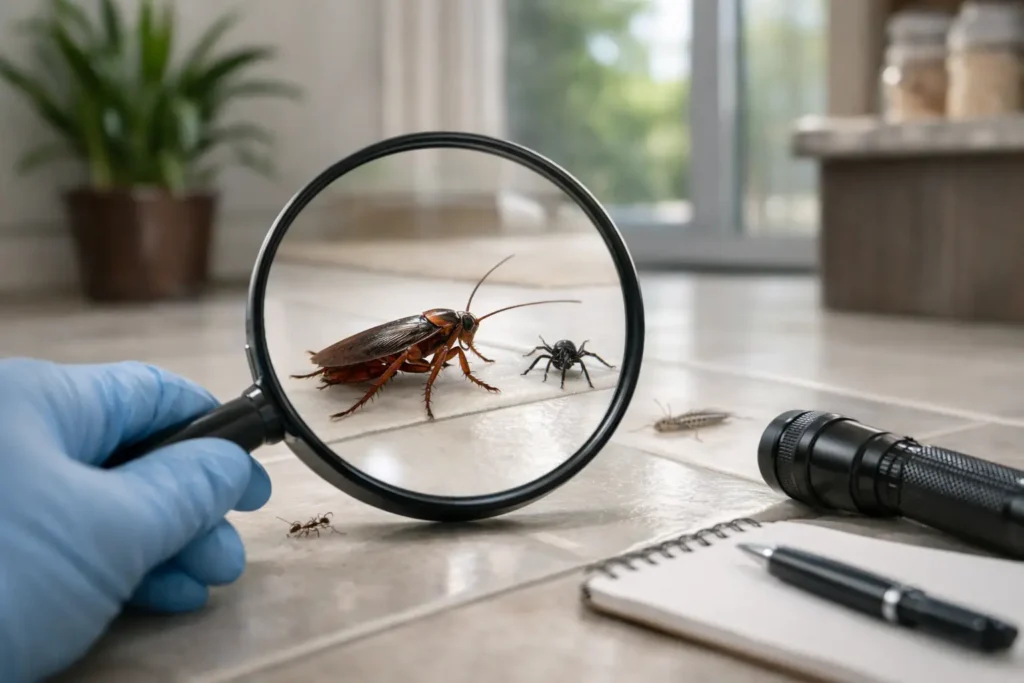
Notice the bug’s size, shape, color, number of legs, and whether it has wings. Also pay attention to where and when you found it. A small insect near a drain calls for a different response than a biting insect found in a bedroom or a cluster of insects gathering around a pet’s food bowl.
If you can do so safely, take a clear photo before removing the insect. Photograph it next to a coin or another common object for scale. Capture the area around it as well, especially if you see droppings, shed skins, egg cases, webbing, damaged food packaging, or a trail of insects.
Do not handle unknown insects with bare hands. This matters most with spiders, stinging insects, and bugs that may bite. Keep children and pets away from the area until you know what you are dealing with.
Common Florida Household Bugs and Their Clues
Ants: Small Bugs With a Big Food Search
Ants are among the most common indoor pest complaints in Florida. You may see a line moving toward crumbs, sticky spills, pet food, or a moisture source under the sink. Some species are very small and light brown, while others are larger and darker.
The trail is often more useful than the individual ant. Watch where it enters and exits. Ants may travel through wall voids, under baseboards, around windows, or near plumbing. Spraying the ants you see may provide a short break, but it often does not reach the colony. Effective control depends on identifying the activity pattern and treating the source appropriately.
Cockroaches: Look Beyond the One You Saw
Seeing one cockroach does not automatically prove a major infestation, but it should never be ignored. Roaches are often active at night and prefer kitchens, bathrooms, laundry areas, utility rooms, and spaces near water.
Common signs include pepper-like droppings, small dark smear marks, shed skins, and egg cases. Young roaches are usually smaller and wingless, so they can be mistaken for beetles or other insects. If you see roaches during the day, especially more than once, activity may be substantial enough to push them out of their usual hiding places.
Sanitation helps, but clean homes can still have roach problems. In Florida, they can enter from outdoors, shared walls, drains, deliveries, and gaps around utility lines.
Bed Bugs: Check the Sleeping Area Carefully
Bed bugs are small, flat, reddish-brown insects that feed mainly at night. They are often found near beds, upholstered furniture, luggage, and seams or cracks close to where people sleep. Bite marks alone are not a reliable way to identify them because many skin conditions and insect bites can look similar.
Better clues include tiny dark spots on sheets or mattress seams, pale shed skins, small eggs, or live insects tucked into narrow spaces. Bed bugs can hitchhike into a home after travel, a move, overnight guests, or the arrival of used furniture.
Avoid moving bedding, furniture, or belongings into other rooms if you suspect bed bugs. That can spread the problem. A professional inspection is the safest next step because treatment depends on finding all of the affected areas.
Fleas and Ticks: Small Pests That Need Fast Attention
Fleas are tiny, dark, jumping insects often associated with pets, carpeting, pet bedding, and upholstered furniture. Pets may scratch more than usual, and people may notice bites around ankles or lower legs. Fleas can continue developing in fabric and floor areas even after the adult insects are less visible.
Ticks are not insects. They are arachnids, like spiders, and have eight legs as adults. A tick may be brought indoors on a person or pet after time in grassy, wooded, or brushy areas. If you find one attached to skin, remove it promptly using proper tick-removal guidance and monitor for symptoms. Contact a medical professional if you have health concerns.
For flea activity, treating only the pet or only the home may not solve the issue. It typically takes coordinated pet care, indoor treatment, and ongoing cleaning to interrupt the life cycle.
Flies, Drain Flies, and Gnats: The Location Tells the Story
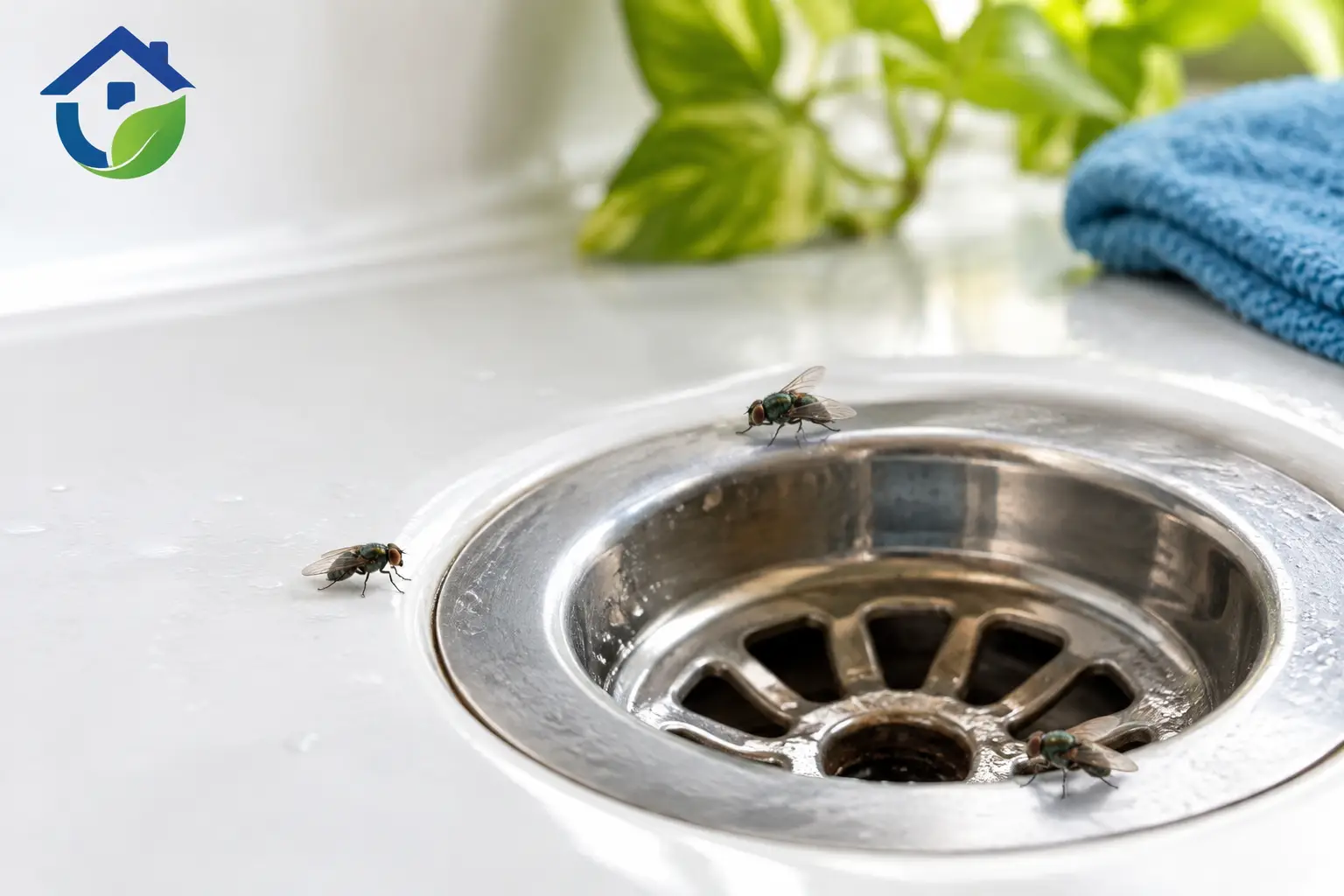
Small flying insects near produce, trash, drains, or houseplants are not all the same. Fruit flies tend to gather near ripening fruit, recycling, spills, and fermenting material. Drain flies are fuzzy-looking and commonly rest near sink, shower, or floor drains where organic buildup is present. Fungus gnats are often connected to damp potting soil.
Removing the breeding source matters more than chasing adult flies around the room. Empty trash regularly, clean food residue, rinse recycling, check forgotten produce, and address slow or dirty drains. If flies keep returning after thorough cleaning, there may be a hidden moisture or organic-material issue that needs closer inspection.
Spiders, Beetles, and Occasional Outdoor Invaders
Many spiders found indoors are hunting other insects rather than creating a major indoor infestation. Still, avoid touching or cornering an unknown spider. Keep a photo if possible, especially if the spider has a distinctive marking or someone may have been bitten.
Beetles vary widely. Some are attracted to lights, some enter around windows and doors, and others may be connected to stored foods, fabrics, or moisture. A single beetle near a window may be an accidental visitor. Repeated sightings in a pantry, closet, or specific room deserve more attention.
Florida homes also see occasional outdoor invaders after heavy rain, landscaping work, or seasonal changes. Wasps may enter through open doors or build nests around eaves, sheds, and outdoor fixtures. Mosquitoes may enter when doors are open, but frequent indoor sightings can point to damaged screens or standing water close to the house.
What Not to Do After Finding an Unknown Bug
Do not rely on foggers or broad insect sprays as a first response. These products can expose family members and pets unnecessarily, drive pests deeper into wall spaces, and make identification harder. They also rarely address eggs, nesting locations, entry points, or the conditions attracting pests.
Avoid mixing household chemicals or applying products in areas where food is prepared, children play, or pets rest. If you use a store-bought product, follow the label exactly. More product is not better, and using a product against the wrong pest can delay real control.
It is also wise not to throw away furniture or belongings immediately. In some cases, removal can spread pests through the home or to other people. Get an informed assessment first when the concern involves bed bugs, fleas, roaches, or a recurring pest problem.
When to Call for Professional Identification
Call for help when bugs are recurring, biting, stinging, multiplying, or appearing in sensitive areas such as kitchens, bedrooms, healthcare spaces, food storage areas, or commercial facilities. Prompt service is especially valuable when you see roaches during the day, repeated bed bug signs, flea activity with pets, wasp nesting, or a pest issue affecting tenants or customers.
A trained technician does more than identify the insect. They inspect likely entry points, moisture sources, harborage areas, and conditions that support activity. The right plan may include targeted treatment, exclusion work, sanitation recommendations, monitoring, and return visits when needed.
Florida Bug Control provides safe, fast, and guaranteed pest service without locking customers into a contract. If pests come back, so do we. For homeowners and property managers, that means you can move from uncertainty to a practical plan based on what is actually happening in the building.
A bug on the wall may be a one-time visitor. A pattern of bugs is your home asking for attention. Save the evidence, protect the people and pets in the space, and act before a small sighting becomes a larger problem.