
Florida does not give pests much of an off-season. A warm afternoon, a heavy rain, and one open gap around a utility line can be enough to turn a small nuisance into a recurring problem. This Florida pest prevention guide focuses on the practical habits that make homes, rental properties, and businesses less inviting to the pests Florida residents see most often.
Prevention is not about making a property perfectly sealed or spotless. It is about removing the easy access to food, water, shelter, and entry points that pests rely on. Start with the areas that create the biggest payoff, then keep an eye on conditions that change with the weather.
Why Florida Properties Need Year-Round Prevention
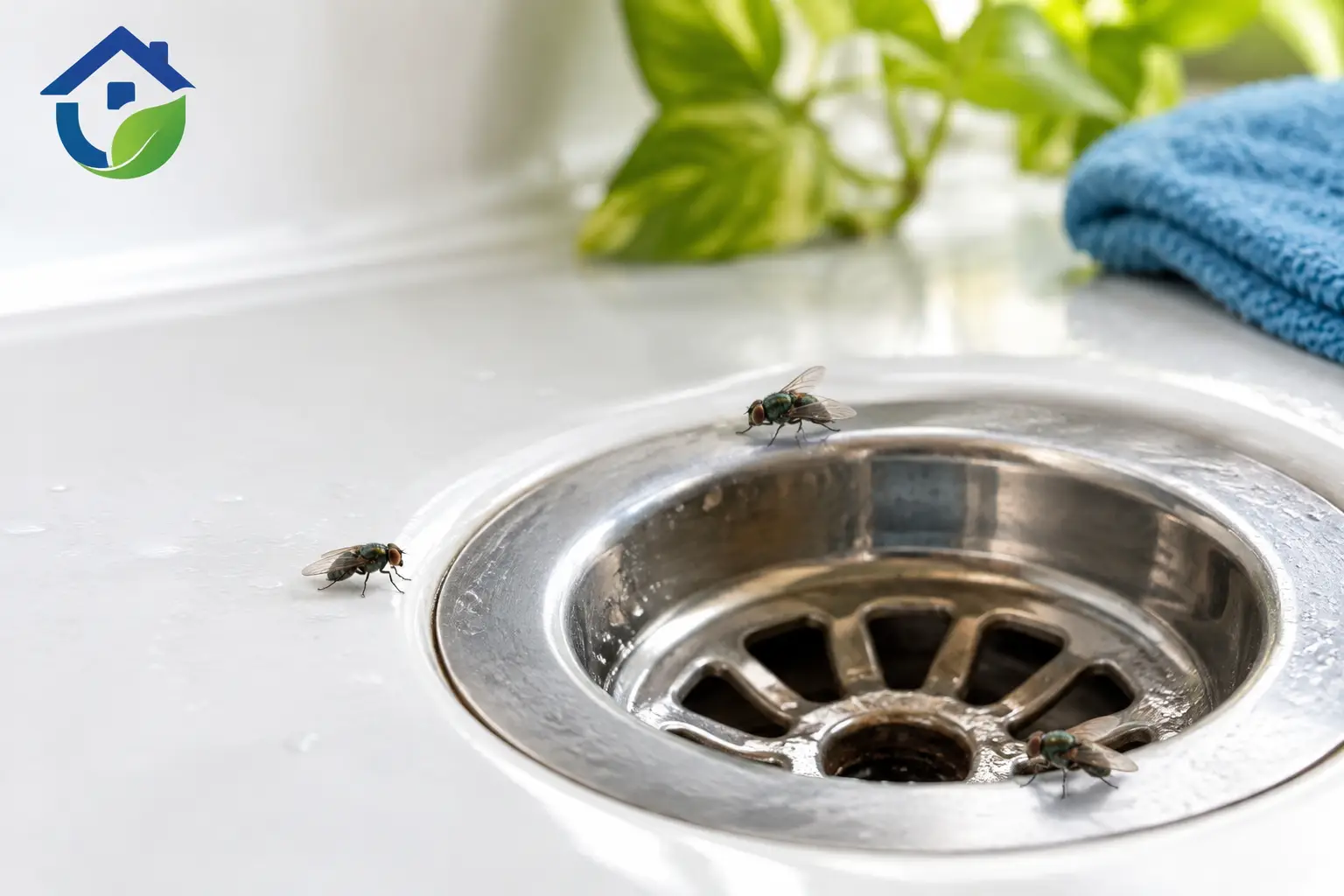
Florida’s heat and humidity support pest activity through every season. Rain can push ants, roaches, spiders, and rodents indoors. Dry stretches can do the same when outdoor water sources become scarce. Mosquitoes can breed quickly after rain, while flies and other nuisance pests find food and moisture around trash areas, drains, patios, and break rooms.
That means a one-time cleanup is helpful, but it is rarely a full prevention plan. The best results come from regular property checks and fast action when conditions change. A few minutes spent correcting a leaking faucet, clearing standing water, or sealing a gap can prevent a much larger issue later.
For businesses, prevention also protects daily operations. A pest sighting in a dining area, healthcare facility, retail store, school, or food-handling space can affect customer confidence and create sanitation concerns. Consistent monitoring is usually easier and less disruptive than reacting after activity becomes obvious.
Start With Food, Water, and Shelter
Pests are not looking for perfection. They are looking for opportunity. Crumbs behind an appliance, an open pet-food bag, condensation under a sink, or clutter in a storage room can be enough to keep them nearby.
Keep food contained and cleanup routine
Store dry goods, snacks, pet food, and animal feed in sealed containers rather than bags or cardboard boxes. Wipe counters after preparing food, sweep floors regularly, and do not leave dirty dishes overnight when possible. In commercial settings, pay close attention to employee break rooms, vending areas, dish stations, grease-prone surfaces, and receiving areas.
Trash deserves the same attention as food storage. Use bins with lids that close fully, empty indoor trash before it overflows, and rinse containers when residue builds up. Outside, keep dumpsters and garbage cans closed and position them away from entrances when the layout allows.
Reduce moisture where pests gather
Water is one of the strongest pest attractants in Florida. Check under sinks, around refrigerators, near water heaters, in laundry rooms, and behind toilets for slow leaks. Repair dripping fixtures and address condensation rather than assuming it is harmless.
Outside, make sure gutters direct water away from the building and that downspouts are not clogged. Low spots in the yard, plant saucers, tarps, buckets, toys, and unused containers can hold enough water for mosquitoes to develop. After rain, walk the property and empty anything that can collect water.
Moisture control can take more work in older homes or buildings with drainage limitations. In those cases, a combination of repairs, improved ventilation, and professional monitoring may be the practical answer.
Clear clutter without overdoing it
Storage areas often become pest shelter because they are quiet, dark, and rarely disturbed. Keep boxes elevated off the floor where possible, reduce cardboard buildup, and leave enough space along walls for inspection and cleaning. Outdoors, move stacked lumber, pots, leaf piles, and stored materials away from the structure.
You do not need an empty garage or warehouse. You need organized storage that does not create hidden, undisturbed pathways and nesting areas.
Seal the Routes Pests Use to Get Inside
A clean property can still have pest problems if pests have easy access. Small cracks, worn weatherstripping, loose screens, and gaps around pipes can become active entry points.
Inspect doors, windows, vents, rooflines, utility penetrations, and the foundation. Replace torn window screens, install door sweeps where daylight shows beneath exterior doors, and repair damaged caulking. Pay special attention to garage doors and rear service entrances, which often stay open longer and receive less attention than the front door.
Rodents can enter through surprisingly small gaps, so use durable materials for larger openings rather than relying on foam alone. If you see droppings, gnaw marks, rub marks along walls, or shredded nesting material, do not wait for the signs to multiply. Early identification helps prevent contamination and property damage.
A Florida Pest Prevention Guide for Outdoor Spaces
The space immediately around a building matters as much as what happens indoors. Landscaping, lighting, drainage, and exterior maintenance all influence pest pressure.
Keep shrubs and tree branches trimmed back from walls and rooflines. Plants pressed against a structure hold moisture and give pests a protected route to the building. Maintain a clear inspection space around the foundation, and avoid allowing mulch or ground cover to build up directly against exterior walls.
Outdoor lights can attract flying insects, especially around doors and patios. Where practical, use lighting choices that are less attractive to insects and place fixtures away from entrances. Keep exterior doors closed when not in active use, particularly at restaurants, retail locations, and facilities with frequent deliveries.
For mosquitoes, eliminate standing water first. Then consider the larger picture: clogged gutters, drainage issues, dense vegetation, and neglected outdoor containers can keep mosquito activity high even when a patio looks clean. Repellents and sprays can help in the moment, but they do not replace source reduction.
Watch for Early Signs Instead of Waiting for a Sighting
Many pests stay out of sight until their numbers grow. Regular checks help you respond when the problem is smaller and easier to manage. Look under sinks, behind appliances, in pantry corners, around baseboards, inside utility closets, near trash areas, and in storage rooms.
Common warning signs include small droppings, grease marks, unusual odors, shed skins, damaged packaging, chewed materials, insect activity near moisture, or repeated sightings in the same area. A single sighting does not always mean there is a major infestation. But repeated activity, daytime sightings of pests that typically hide, or evidence near food and sleeping areas deserves prompt attention.
Property managers should also make reporting easy. Tenants and staff are more likely to report a concern early when they know whom to contact and what details to share. The location, time of day, pest description, and any photo available can make service faster and more targeted.
When DIY Prevention Is Not Enough
Basic prevention habits are valuable, but they have limits. Store-bought products may reduce visible activity without addressing the source, and using the wrong product in the wrong place can create unnecessary exposure or scatter pests into new areas.
Professional pest management is especially useful when activity continues after cleanup and exclusion, when the pest is difficult to identify, or when the issue involves multiple rooms, units, or outdoor areas. Commercial properties may also need structured inspection schedules, documentation, and treatment plans that fit their operating requirements.
Florida Bug Control provides safe, fast, and guaranteed service for residential and commercial pest concerns. There is no need to accept ongoing activity as part of living or working in Florida. A thorough inspection can identify the pressure points on your property and determine whether prevention steps, targeted treatment, or ongoing service makes the most sense.
Build Prevention Into Your Routine
The strongest prevention plans are simple enough to repeat. After heavy rain, check for standing water and drainage issues. Each month, inspect screens, door sweeps, plumbing areas, storage spaces, and trash zones. Before travel or a busy season, clean pantry shelves, refresh outdoor areas, and make sure staff or household members know what to report.
Pest prevention is not about panic. It is about staying one step ahead. When you remove the conditions pests need and act quickly at the first sign of activity, your home or business stays cleaner, more comfortable, and better protected.