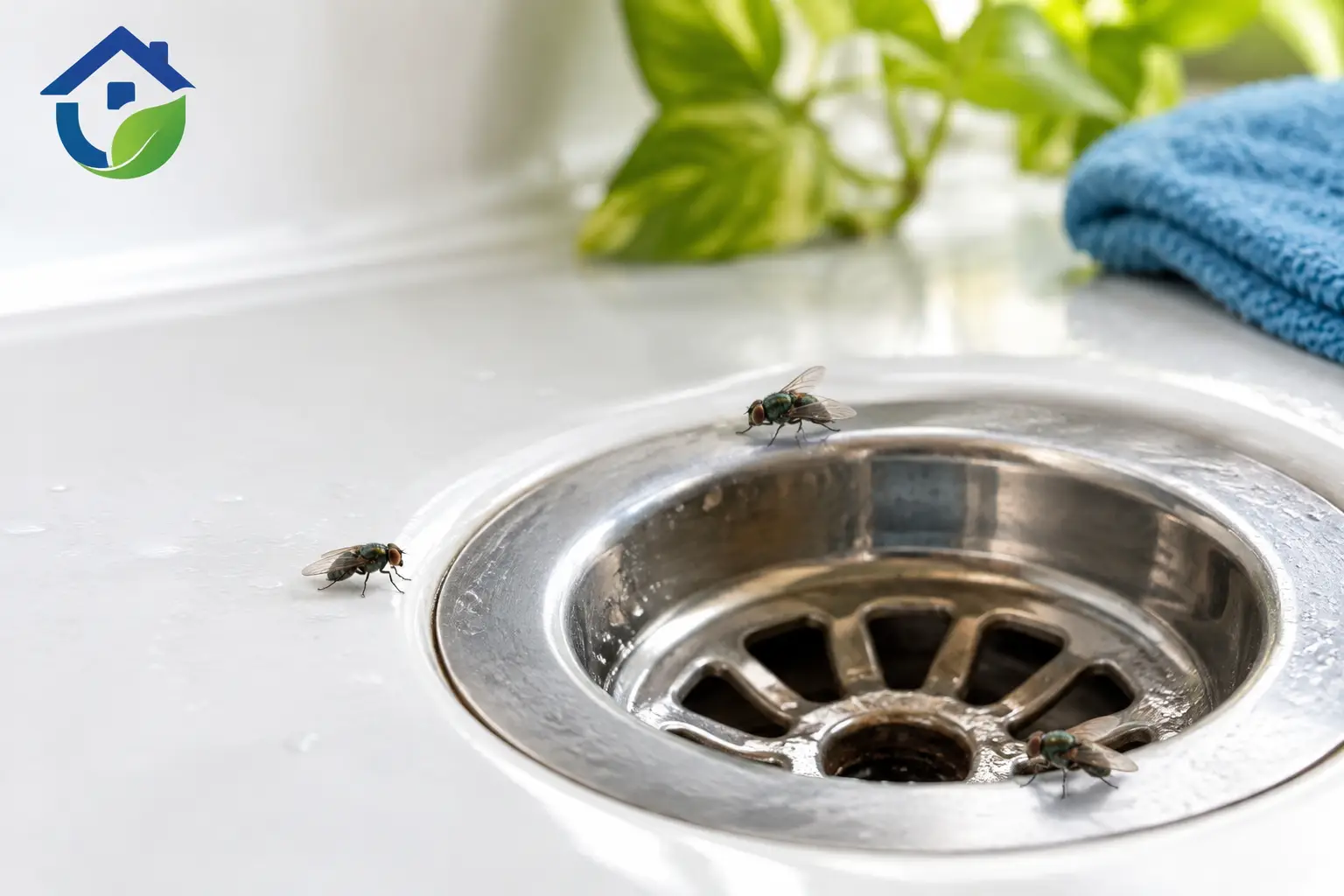
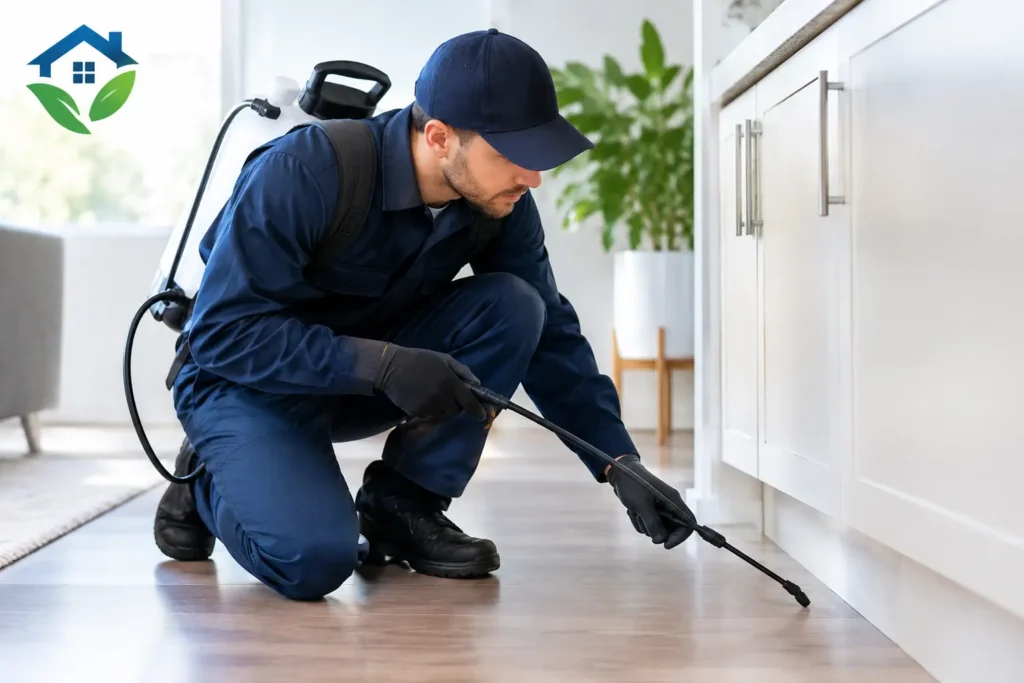
A tenant sends a photo of cockroaches under the kitchen sink. Another reports bites after a guest stayed over. The first question is often financial: can landlords pay for extermination? Yes – and in many Florida rental situations, paying for prompt professional treatment is the most responsible way to protect residents, the property, and the lease relationship.
Who ultimately carries the expense is not always as simple as who first noticed the pest. Florida law, the rental agreement, the type of property, the source of the issue, and how quickly everyone reports it can affect responsibility. What should not be delayed is the response. A small pest issue can spread through walls, shared plumbing lines, furniture, storage areas, and neighboring units faster than most people expect.
Can Landlords Pay for Extermination Under Florida Rules?
Landlords can pay for extermination, and they often should. For many rental properties, Florida landlords have duties related to maintaining safe, habitable conditions and making reasonable provisions for pest control. The exact obligation can differ based on the building type and the written lease, especially for single-family homes and duplexes.
That means a property owner should never rely on a verbal assumption that the renter will handle it. Review the lease language and the applicable Florida requirements before deciding who pays. A lease may assign certain routine pest-prevention duties to a tenant where permitted, but it cannot erase every owner responsibility or excuse a condition that makes the home unsuitable to occupy.
For apartments and other multi-unit properties, owner-paid treatment is particularly common because pests rarely respect unit boundaries. Treating only one apartment while ignoring nearby activity can leave the real source untouched. It also creates a frustrating cycle in which residents see pests return and lose confidence that the issue was handled.
This is practical information, not legal advice. Property owners and managers facing a disputed bill, a serious sanitation concern, or a potential lease conflict should review their agreement and seek qualified legal guidance when needed.
Start With the Source, Not the Invoice
Responsibility is easier to discuss after a trained technician identifies the pest and likely conditions supporting it. A few insects near a doorway after heavy rain may call for a different response than an established cockroach population behind appliances or rodents entering through an exterior gap.
A professional inspection can help determine whether the issue is tied to building conditions, such as openings around utility lines, damaged screens, plumbing leaks, overflowing exterior bins, or gaps at doors. It can also reveal whether pests are concentrated around a particular unit or are moving through common areas. These facts matter when a landlord is deciding whether to pay for service, charge back an allowed cost, or improve building maintenance.
Avoid jumping to blame. Pest activity does not automatically prove that a tenant caused an infestation, and a tenant’s clean home does not always mean there is no issue. In Florida’s warm, humid climate, pests can find their way inside even in well-kept properties. The goal is to solve the problem safely and document what was found.
When Landlord-Paid Service Makes Sense
Landlords commonly cover extermination when pests appear connected to the structure, a shared area, a neighboring unit, or a condition that existed before move-in. It also makes sense when treatment requires access to multiple units, exterior work, exclusion repairs, or coordinated follow-up visits.
Landlord-paid service is often the cleaner operational decision when the cost of delay is greater than the service bill. One untreated report can become several complaints, canceled showings, property damage, poor reviews, and a longer treatment plan. Fast action helps preserve the rental home and gives residents confidence that management is taking their health and comfort seriously.
For property managers, a consistent policy is valuable. If the building pays for initial inspection and treatment when a report is made, residents are more likely to report activity early rather than hide it out of fear of a charge. Early reporting gives a pest professional the best chance to stop the issue before it expands.
When a Tenant May Have a Role
A tenant may have responsibilities under the lease, including keeping the home reasonably clean, reporting pest activity promptly, allowing access for treatment, and following preparation instructions. If an investigation shows a recurring issue clearly connected to a tenant’s actions and the lease legally allows recovery of a cost, the owner may have options.
Even then, clear communication matters. Explain the inspection findings, identify the applicable lease provision, and provide the treatment plan in writing. Surprise charges tend to turn a pest problem into a relationship problem.
Keep in mind that treatment only works when residents participate. A technician may need occupants to remove food from counters, empty cabinets, wash linens, reduce clutter, secure pet food, or remain out of the unit for a specified period. Those instructions are not busywork. They help make treatment safer and more effective.
What a Good Rental Pest Response Looks Like
The strongest response is organized, documented, and prompt. When a tenant reports pests, acknowledge the concern, ask where and when activity was seen, and schedule an inspection quickly. Encourage the tenant to save photos or note sightings, but do not require them to identify the pest before getting help.
Property owners should also check for conditions that can support pest activity. Moisture near sinks and air-conditioning systems, gaps around pipes, poorly sealed exterior doors, standing water, open trash, and overgrown vegetation can all contribute. Treatment without correcting the contributing condition may provide temporary relief but not lasting control.
For multi-unit properties, notify affected residents with enough time to prepare and coordinate access. A one-unit-only approach can fail when pests are moving between homes through walls, plumbing paths, hallways, or common utility spaces. Your pest professional can recommend whether adjacent units, shared areas, or exterior zones should be inspected or treated.
Keep a simple service record with the tenant report, inspection date, technician findings, treatment performed, preparation instructions, follow-up dates, and any maintenance repairs completed. This protects both parties. It also helps identify patterns, such as repeat activity in the same area or a recurring exterior entry point.
Choosing a Pest Company for a Rental Property
A rental property needs more than a quick spray. Look for a provider that can identify the pest correctly, explain the recommended scope of work, communicate clearly with residents, and return if activity continues. Fast availability matters, especially when pests affect kitchens, bedrooms, shared spaces, hospitality properties, or businesses with strict sanitation needs.
Ask whether the company offers follow-up service and whether the technician will point out conditions that need repair. A pest company should work alongside the owner or manager, not simply treat and disappear. The best plan combines targeted treatment, practical prevention, and a clear next step if pests return.
Florida Bug Control provides safe, fast, and guaranteed service for rental homes and commercial properties across its Florida service areas. With no long-term contract required and return visits until the problem is resolved, property owners can respond decisively without creating unnecessary friction for residents.
Put Expectations in the Lease Before There Is a Problem
A well-written lease can prevent confusion later. It should explain how residents report pest concerns, how quickly they must report them, what access is required for inspection and treatment, and what preparation steps they must follow. It should also address routine housekeeping expectations and any legally permitted allocation of pest-control costs.
Be specific without overreaching. “Tenant is responsible for all pest problems” may create confusion and may not fit every situation. A better approach is to describe the process: report promptly, allow access, follow preparation instructions, and cooperate with recommended corrective steps. The owner can then evaluate responsibility based on the lease, property conditions, and professional findings.
Do not wait for an infestation to become a dispute. A quick inspection, clear communication, and properly coordinated treatment protect the people living in the home as well as the investment behind it. When pests show up, the right next move is simple: respond early, fix the conditions that support them, and keep everyone informed until the activity is gone.