
A failed inspection rarely starts with one dramatic pest sighting. More often, it starts with a small gap: a receiving door left open, standing water behind a cooler, an unlogged service visit, or a team member who does not know what to report. This commercial pest compliance guide helps Florida businesses close those gaps before they become sanitation findings, customer complaints, product losses, or operational disruptions.
For restaurants, healthcare facilities, schools, hotels, warehouses, and food-related operations, pest management is not just an occasional maintenance task. It is part of protecting people, inventory, reputation, and the conditions inspectors expect to see. The right program is practical, documented, and responsive when pest pressure changes.
What Commercial Pest Compliance Actually Means
Commercial pest compliance means your facility can demonstrate that it is actively preventing, monitoring, and correcting pest risks. The details depend on your industry, local requirements, lease obligations, customer standards, and any food-safety or quality programs you follow. A medical office will not document risk exactly like a food production facility, and a retail store will not have the same exposure as a beachfront hotel.
Still, most compliant pest management programs have the same foundation: regular inspections, clear sanitation and exclusion practices, appropriate treatment methods, accurate records, and prompt corrective action. The goal is not to promise that a Florida property will never see an insect, rodent, or bird. Florida’s heat, humidity, storms, and year-round pest activity make that unrealistic. The goal is to identify activity early, remove the conditions that support it, and show that your business responded correctly.
This distinction matters during an inspection. An inspector or auditor may be more concerned by repeated evidence with no documented response than by a single issue that was identified, addressed, and verified.
Start With a Site-Specific Risk Assessment
A useful program begins with how your building actually operates, not a generic service schedule. Walk the property with your pest professional and identify where pests can enter, feed, hide, and breed. Include exterior grounds, loading areas, dumpsters, rooflines, break rooms, storage spaces, drains, utility penetrations, employee entrances, and customer-facing areas.
Look at patterns that change risk. A restaurant may receive produce several times a week. A warehouse may leave dock doors open during long shipping windows. A hotel may experience higher turnover, laundry volume, and luggage movement during peak season. A healthcare setting may need especially careful coordination around occupied areas and sensitive populations.
Your assessment should identify the pest pressures most likely at your location and the conditions drawing them in. In Florida, that often includes moisture, vegetation touching the structure, overflowing waste, gaps around pipes, unsealed doors, food debris, and cluttered storage. A good provider will explain what they find in plain language and distinguish between an active issue and a condition that could become one.
Build a Commercial Pest Compliance Guide Into Daily Operations
Pest control cannot sit entirely with an outside technician. Your service provider handles inspection, monitoring, treatment, and expert recommendations, but employees control many of the daily conditions that determine whether pests return.
Assign ownership for basic checks. Someone should verify that exterior doors close fully, dumpster lids remain shut, spills are cleaned quickly, and food or supplies are stored off the floor when appropriate. Maintenance staff should have a simple process for reporting leaks, damaged sweeps, loose screens, cracked wall openings, and drainage problems. Managers should know where pest logs are kept and who to notify when activity is spotted.
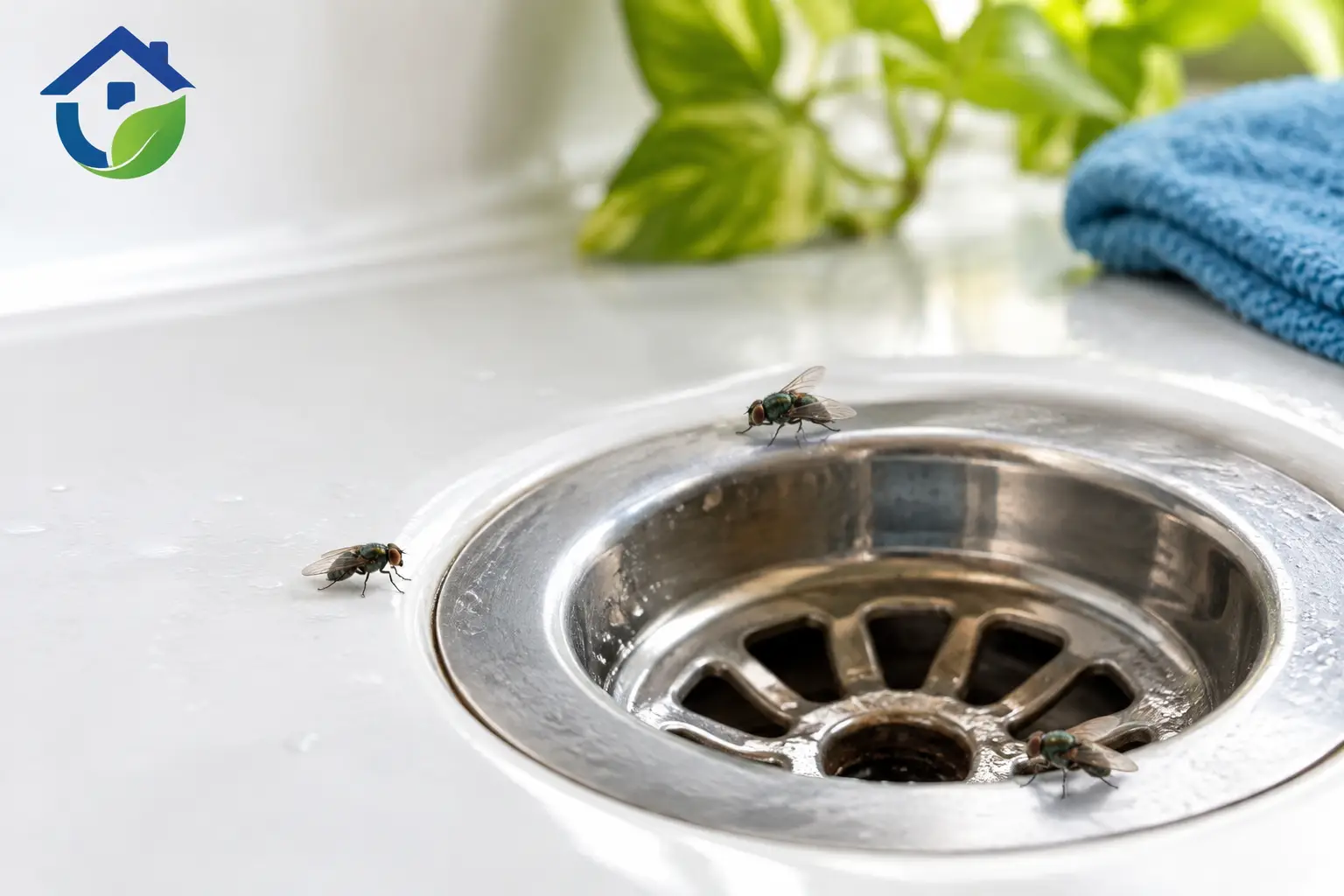
Training does not need to be complicated. Staff should understand what to report, where to report it, and why speed matters. Seeing small flies near a drain, droppings in a storage room, gnaw marks on packaging, or ants along a wall is useful information. Waiting until activity becomes obvious to customers is not.
For larger operations, connect pest observations to existing work-order or incident-reporting systems. That creates a clear chain from report to correction and prevents the same issue from being passed between shifts without action.
Keep Records That Stand Up to Questions
Documentation turns pest management from a verbal assurance into a defensible program. If an inspector, auditor, property owner, or corporate quality team asks what happened, your records should make the answer easy to follow.
A complete file commonly includes service reports, site maps showing monitoring devices, pest activity observations, treatment records when treatments are performed, labels or safety documentation as applicable, and corrective-action notes. Keep records organized by date and available at the location, whether in a binder or an approved digital system.
The most valuable records explain the follow-through. If activity was found near a receiving door, document the finding, the action taken, the responsible person, and the date the correction was verified. “Door sweep replaced” is more useful than a vague note that says “maintenance notified.”
Do not let paperwork become a box-checking exercise. Review service reports after each visit. If recommendations are repeated month after month, that is a signal that a building, sanitation, scheduling, or vendor issue has not been resolved. Repeated findings can create compliance concerns even when routine service is occurring.
Control the Conditions Pests Need
Treatment has an important role, but compliance is strongest when prevention is built into the facility. Pests need access, food, water, and shelter. Reducing even one of those factors can lower activity. Reducing all four makes a lasting difference.
Sanitation is especially important in food service, hospitality, and healthcare settings. Clean beneath equipment, not only around it. Empty interior waste before it overfills, and keep exterior waste areas clean enough that residue does not attract flies or other pests. Address grease buildup, forgotten spills in storage rooms, and employee food left in lockers or desks.
Moisture control deserves equal attention. Repair leaks promptly, keep floor drains and drain areas clean, correct standing water, and evaluate condensation around refrigeration or plumbing. In Florida, moisture problems often create pest pressure long before a manager sees obvious activity.
Exclusion protects the structure itself. Install and maintain door sweeps, screens, seals, and covers. Close gaps around conduits and utility lines. Keep vegetation trimmed away from walls and roof access points. These corrections are often simple, but they are not always inexpensive or immediate. Prioritize openings associated with active activity, food areas, patient areas, or high-traffic entrances first, then work through the remaining items on a documented schedule.
Choose Monitoring and Treatment With Care
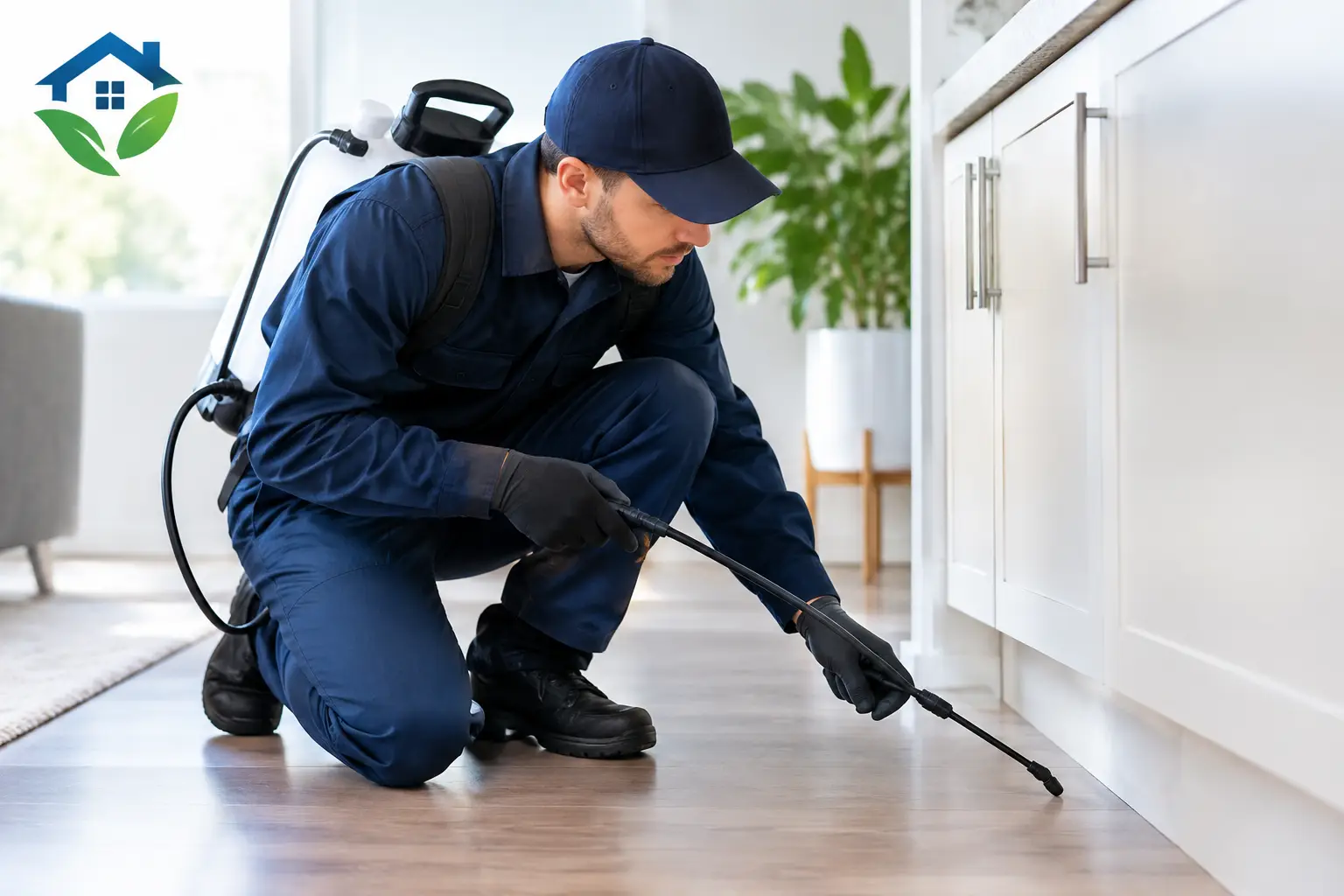
Not every pest issue calls for the same response. Monitoring devices can help reveal activity and trends, while targeted treatments may be needed when there is an active infestation. The correct approach depends on the pest, the location, the building’s use, and the risk to occupants, products, and operations.
A compliant provider should be able to explain where devices are placed, what they are intended to monitor, and how findings are communicated. Devices should be identified on a current site map and checked on a defined schedule. If activity rises in one area, the response should go beyond replacing a monitor. Investigate why the activity is occurring.
Treatment decisions also require coordination. Food handling areas, occupied rooms, patient-care spaces, schools, and sensitive manufacturing environments may require timing restrictions, preparation instructions, or additional safeguards. Tell your provider about schedule changes, special events, vulnerable occupants, and any areas that cannot be accessed during standard service hours.
Prepare for Inspections Before They Happen
The best time to prepare for an inspection is during ordinary operations. Schedule internal walk-throughs, especially before high-volume seasons or formal audits. Review storage practices, waste areas, door conditions, pest logs, and unresolved service recommendations.
When an inspector arrives, your team should be able to quickly locate the pest-management file and identify the person responsible for answering questions. Avoid guessing. If a record or answer is not immediately available, say who will provide it and when. Clear, accurate communication reflects better on the facility than an incomplete explanation.
If a finding occurs, act quickly and document the correction. Some issues can be resolved the same day, such as cleaning a spill or removing clutter. Others, such as structural repairs, may require vendors and approval. In those cases, document interim controls, expected completion dates, and follow-up verification.
When a Pest Sighting Becomes an Urgent Issue
One sighting does not always mean a major infestation, but it should always trigger a defined response. Protect affected products or areas when necessary, notify the appropriate manager, record the time and location, and contact your pest professional for guidance. Do not rely on unapproved store-bought products or move monitoring devices without documenting the change. That can complicate both safety and recordkeeping.
Urgency is higher when activity appears near food, medication, patient areas, production lines, guest rooms, or stored goods. It is also higher when employees report repeated sightings, evidence is increasing, or a pest is found during business hours in a customer-facing area. Fast action limits disruption and gives your team a clearer account of what occurred.
Florida Bug Control supports commercial facilities with responsive service, clear recommendations, and return visits when the issue is not resolved. The best partnership is one where your provider understands your operation and your staff knows exactly what to do between visits.
A compliant facility is not the one that claims it never has pest pressure. It is the one that notices problems early, corrects the cause, keeps a clean record of its actions, and refuses to let a small gap become a larger risk.