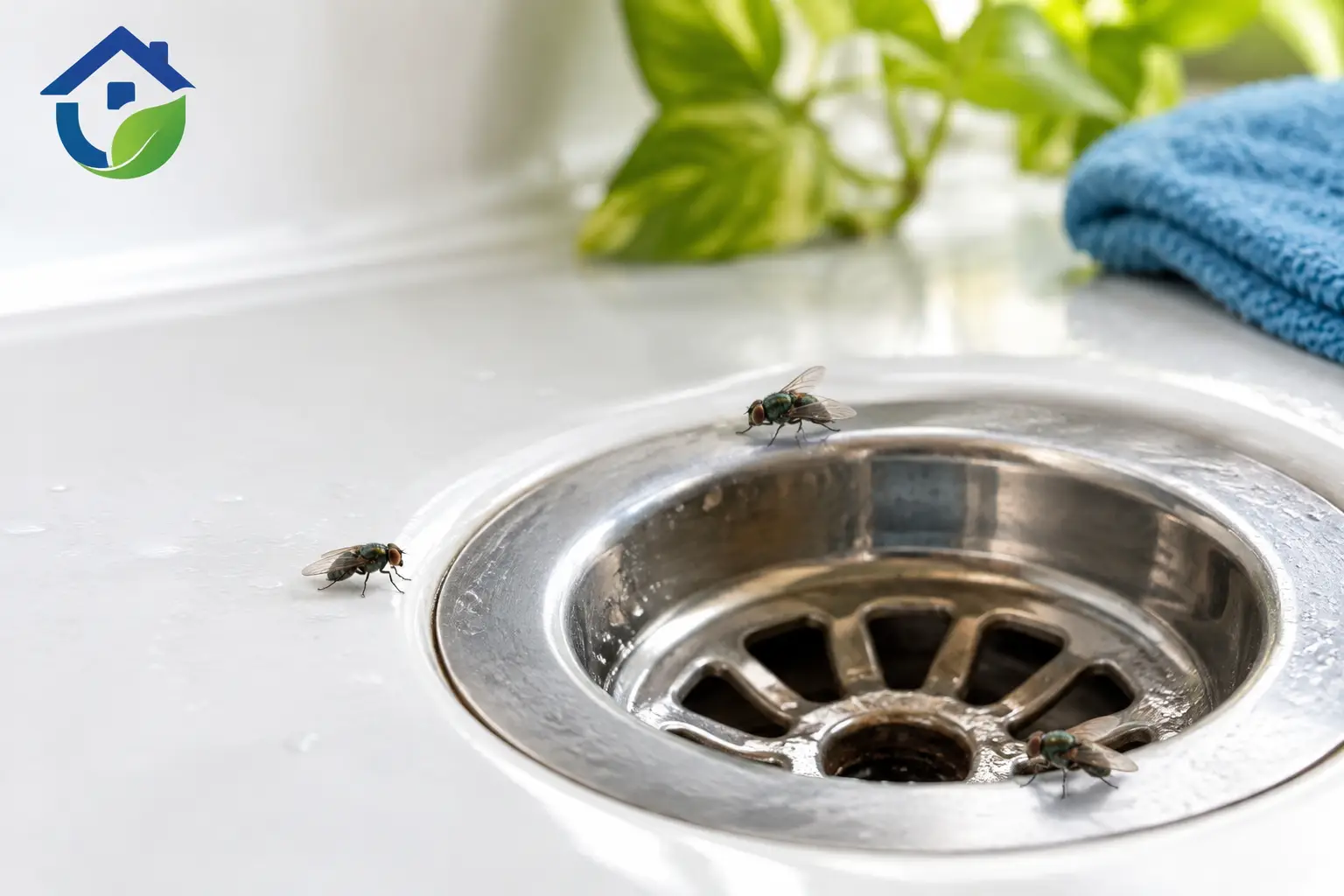

A cockroach appears in the kitchen two weeks after treatment. Ants return along the same window sill after a heavy Florida rain. A tenant reports new bites after a bed bug service. In moments like these, the question is straightforward: do pest guarantees cover reinfestation? Often, yes – but the answer depends on what the guarantee actually says, which pest is involved, and whether the new activity is connected to the original problem.
A real pest-control guarantee should give you a clear path forward, not leave you wondering whether another visit will mean another bill. Before service starts, ask how return visits work, how long coverage lasts, and what conditions may affect it. Those details matter far more than a vague promise that a treatment is “guaranteed.”
Do Pest Guarantees Cover Reinfestation?
Many pest guarantees cover reinfestation or continued pest activity during a stated service period. In practical terms, if the same covered pest returns after treatment, the provider comes back to inspect, reassess, and perform the needed follow-up service without charging for that return visit.
That is especially valuable in Florida, where heat, humidity, rainfall, and year-round pest pressure can create conditions that are difficult to control with one treatment alone. A professional may eliminate the active population on the first visit, but eggs may hatch later, outdoor pests may move indoors after weather changes, or a hidden entry point may keep allowing activity.
A guarantee recognizes that pest control is not always a one-and-done event. It holds the provider accountable for the treatment plan and gives the customer reassurance that they will not be left with an unfinished job.
Still, “reinfestation” can mean different things. It may describe pests that survived the first service, new pests from the same source, or a fresh issue introduced through deliveries, visitors, neighboring units, food waste, moisture, or structural gaps. Your pest professional should inspect the situation rather than assume every new sighting has the same cause.
What a Good Reinfestation Guarantee Usually Includes
The strongest guarantees are specific and easy to understand. They explain the covered pest, the time frame, and what happens when you report continued activity.
For routine household pests such as ants, roaches, spiders, and similar invaders, coverage may include unlimited return visits until the issue is resolved. This approach makes sense because pest activity can change quickly after rain, landscaping work, construction nearby, or seasonal shifts. The provider should return, identify why the pest is still present, and adjust the treatment instead of simply repeating the exact same application.
For pests that require a more involved process, such as bed bugs, fleas, rodents, or mosquitoes, the guarantee may include scheduled follow-ups, inspections, monitoring, and treatment adjustments. These pests often have life cycles or environmental factors that require more than a single service. For example, flea control can be affected by pets, untreated carpets, wildlife activity, and eggs that hatch after the first visit. Bed bug control may require preparation steps and follow-up inspections to confirm activity is gone.
Commercial guarantees can look different because the property conditions are different. A restaurant, healthcare facility, hotel, retail store, or food-production operation may need ongoing monitoring, documented service, sanitation recommendations, and rapid response if activity appears. In these settings, a guarantee should support consistent pest management, not just an emergency callback.
Read the Fine Print Before You Need It
A guarantee is only useful if you understand its limits. Ask for the terms in plain language before agreeing to service. A reputable provider should be able to explain them without making you work through confusing exceptions.
Start with the coverage period. Some guarantees apply for a set number of days after a one-time treatment. Others remain active between regularly scheduled services. A no-contract option does not have to mean no protection, but you should know exactly when coverage begins and ends.
Next, confirm which pests are covered. A callback for ants does not automatically mean coverage for an unrelated rodent issue that begins later. Similarly, an outdoor mosquito treatment and an indoor cockroach service may have separate expectations because they use different treatment strategies.
Also ask what you are expected to do. Pest control works best as a partnership. Your technician may recommend sealing gaps, repairing leaks, storing food in sealed containers, removing standing water, laundering linens, vacuuming, or treating pets through a veterinarian when appropriate. If required preparation is not completed, the provider may be limited in what a guarantee can cover.
Finally, ask whether the guarantee covers re-service, retreatment, or a refund. These are not the same thing. Most service guarantees promise return visits and additional work until the covered issue is resolved. A refund policy is separate and should never be assumed.
Why Pests Can Return After Professional Treatment
Seeing a pest after service does not always mean treatment failed. In some cases, activity briefly increases because pests are moving out of hiding areas. In others, the pest you see is part of a life stage that was not present or reachable during the initial application.
Florida properties also face constant pressure from outside. Ants can trail in from mulch or tree branches touching a building. Roaches can enter through plumbing penetrations, utility gaps, drains, cardboard boxes, or shared walls. Rodents may move inside when weather, food sources, or nearby construction changes. Mosquitoes can develop wherever water stands long enough, sometimes in places as small as a clogged gutter or plant saucer.
Multifamily housing and commercial properties add another layer. A clean unit or suite can be affected by a neighboring unit, a shared trash area, a loading dock, or a common utility space. That does not make the situation hopeless. It means the treatment plan may need to address the property as a system, with communication between occupants, managers, and pest-control professionals.
How to Make a Guarantee Work in Your Favor
Report ongoing activity promptly. Do not wait until the coverage period has ended or until a small issue becomes a larger infestation. When you call, share the pest you saw, where you saw it, when it appeared, and whether you noticed anything different around the property, such as moisture, damage, new landscaping, or construction.
Photos can help with identification, particularly when the insect is small or sightings are occasional. For commercial properties, keep a simple log of sightings by date and location. That information helps technicians spot patterns and focus their inspection where it matters most.
Follow the preparation and prevention guidance you receive. This is not about shifting responsibility to you. It is about removing the conditions pests use to survive and reproduce while the treatment does its job. A treatment can be highly effective, but a recurring water leak, open food source, or accessible entry point can keep drawing pests back.
Do not reach for store-bought sprays between professional visits unless your technician tells you to. Some products can push pests deeper into walls, contaminate bait placements, or make it harder to determine where activity is coming from. A quick call to your provider is usually the better first move.
Questions to Ask Before Choosing a Pest-Control Guarantee
Before scheduling, get direct answers to four practical questions:
- If the same pest comes back, will you return at no additional charge?
- How long does the guarantee last after the initial or most recent service?
- Are return visits unlimited until the issue is resolved, or is there a set limit?
- What preparation, sanitation, exclusion, or access requirements could affect coverage?
You should also ask about response time. A guarantee has less value if you cannot get help when you need it. For households with children or pets, and for businesses that must protect customers, inventory, or compliance standards, quick follow-up is part of dependable service.
Florida Bug Control backs its work with a 100% satisfaction guarantee and unlimited return visits until the pest issue is resolved. That gives homeowners, renters, property managers, and business operators a clear expectation: if pests come back, the service team comes back too.
A Guarantee Is Better When It Includes Prevention
The best pest guarantee is not merely a promise to spray again. It is a commitment to find the source, correct contributing conditions where possible, and keep monitoring the problem until it is under control.
When you compare providers, focus on accountability rather than the lowest initial price. Ask for clear terms, save your service records, report new activity quickly, and give the treatment plan time to work as directed. That is how a pest guarantee becomes what it should be: practical protection when pests try to make a return visit of their own.