A few ants near the sink, a cockroach in the garage, or mosquitoes gathering around the patio can feel like a small problem. In Florida, pests rarely stay small for long. Our heat, humidity, frequent rain, and year-round growing season create ideal conditions for insects and rodents to feed, breed, and move indoors.
The good news is that most pest problems leave clues before they become overwhelming. Knowing what attracts pests, where they hide, and when to call for help puts you back in control of your home, rental property, or business.
Why Florida Pests Are So Persistent
Many parts of the country get a seasonal break from pest activity. Florida does not always offer that relief. Mild winters allow many pests to remain active, while summer rain and high humidity create abundant water sources and shelter. A sudden storm can also push pests out of saturated soil and into garages, wall voids, patios, and living spaces.
Food is another major driver. Open trash, pet bowls, crumbs under appliances, grease around a commercial kitchen, and fallen fruit outdoors can all attract unwanted visitors. Once pests find food, water, and a protected place to hide, they may establish themselves quickly.
That is why spraying only the pests you can see is not always enough. Effective control begins with identifying the pest, locating the conditions supporting it, and treating the source rather than just the symptom.
The Florida Pests Property Owners See Most
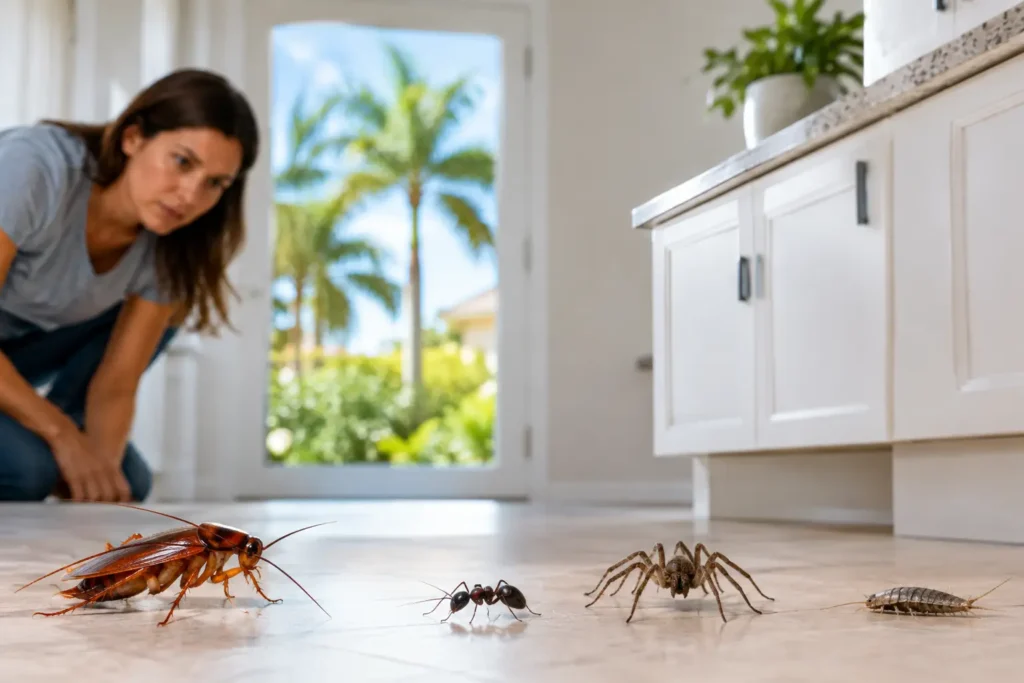
The pest you see can reveal a lot about what is happening around your property. Ants commonly follow moisture and food trails into kitchens, bathrooms, and break rooms. Some species nest in wall voids, under pavement, or near landscaping, so removing the visible trail may not address the colony.
Cockroaches are drawn to warmth, moisture, grease, clutter, and tight hiding places. They can be found behind refrigerators, around plumbing penetrations, beneath cabinets, and in storage areas. Seeing one during the day can sometimes indicate a larger population competing for hiding spots.
Mosquitoes need standing water to reproduce. A clogged gutter, plant saucer, birdbath, tarp, pool cover, or small container holding rainwater can become a breeding site. Outdoor mosquito control often requires both targeted treatment and regular removal of water-holding items.
Rodents enter through surprisingly small gaps and can travel along utility lines, roof edges, dense vegetation, and fence lines. Scratching noises after dark, droppings, gnaw marks, and damaged food packaging are common warning signs. Because rodents can contaminate food and damage materials, prompt action matters.
Fleas and ticks often arrive through pets, wildlife activity, or shaded outdoor areas. Wasps may build nests under eaves, inside outdoor fixtures, or near entryways. Bed bugs can be brought home in luggage, furniture, or personal belongings, and their presence is not a reflection of cleanliness. Each issue requires a different response, which is exactly why correct identification comes first.
What Attracts Pests to a Home or Business
Pests do not need an untidy property to get inside. A clean home can still have a pest problem when there is moisture, access, or nearby outdoor pressure. Still, a few conditions make an infestation more likely and can make treatment more difficult.
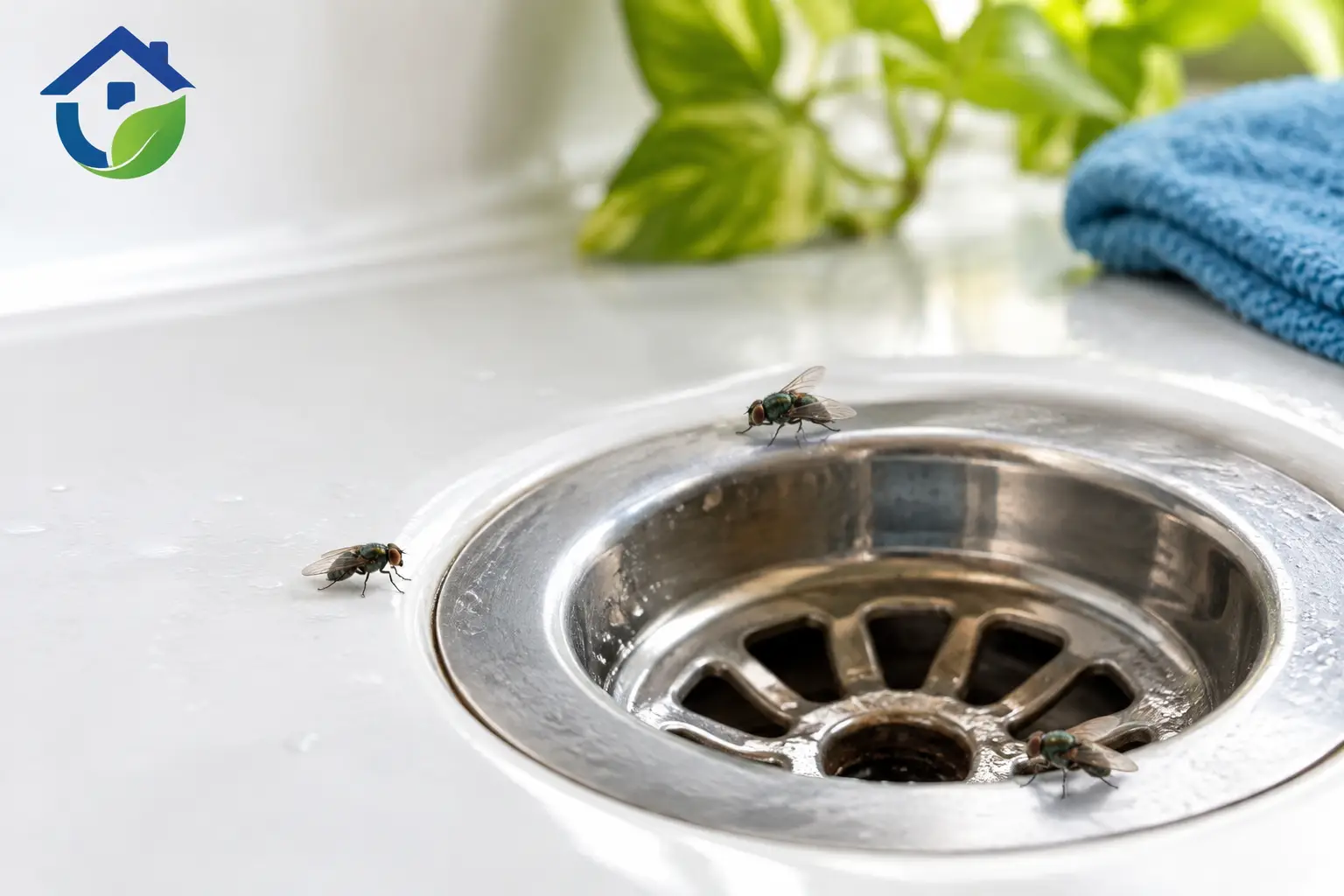
Water is often the first issue to check. Look beneath sinks, around water heaters, behind washing machines, and near air conditioning equipment for leaks or condensation. Outdoors, keep gutters clear, direct water away from the foundation, and repair dripping spigots. Even a small, steady water source can support pest activity.
Next, look for access points. Damaged door sweeps, torn screens, gaps around pipes, loose weather stripping, and openings around attic vents can provide a direct route indoors. In commercial properties, frequent deliveries and doors that remain open can create constant entry opportunities.
Food and harborage complete the picture. Store pantry goods in sealed containers, clean spills promptly, empty indoor trash regularly, and keep outdoor bins closed. Cardboard, stacked supplies, leaf piles, dense shrubs against a building, and cluttered storage rooms all create places for pests to hide.
Early Signs That Should Not Be Ignored
Pests are often easier to manage when you act at the first sign. Pay attention to recurring activity rather than waiting for a large number of insects or rodents to appear. A repeated ant trail, droppings in the same cabinet, fresh bite marks, insect wings near windows, strange odors, or new scratching sounds all deserve a closer look.
For property managers and commercial operators, patterns matter even more. One guest complaint in a hospitality setting, repeated fly sightings near a food service area, or a pest report from an employee may point to a larger sanitation, exclusion, or structural issue. Waiting can put operations, customer confidence, and compliance at risk.
Take a clear photo when possible and note where and when you saw the activity. That information can help a trained technician identify the issue faster and choose the right treatment plan.
Prevention That Actually Makes a Difference
Prevention works best when it is routine, not a one-time cleanup project. Start outside, because the conditions around a building often determine what reaches the inside. Trim vegetation away from exterior walls, remove yard debris, keep mulch from piling against the structure, and eliminate standing water after rain.
Inside, focus on sanitation and exclusion. Keep food sealed, clean behind appliances when possible, reduce clutter in garages and storage rooms, and repair gaps around doors, windows, plumbing, and utility lines. If you have pets, wash bedding regularly and follow a veterinarian-approved flea and tick prevention plan.
These steps reduce pressure, but they are not a guarantee against every infestation. Florida weather can change quickly, neighboring properties can influence pest activity, and some pests are introduced through travel, deliveries, or secondhand items. Prevention makes professional treatment more effective, but it does not replace it when a problem is active.
When DIY Is Reasonable and When It Is Not
A small, isolated issue may respond to basic cleanup and exclusion. For example, removing standing water can reduce mosquitoes around a patio, and sealing a gap may stop occasional insects from entering. Store-bought products can sometimes provide short-term relief when used exactly as directed.
The trade-off is that do-it-yourself products usually treat what is visible, while pests may be nesting behind walls, under flooring, in ceiling voids, or outside the structure. Incorrect product use can also create unnecessary exposure for children, pets, customers, and staff. In commercial environments, an unplanned treatment can conflict with food safety practices or operational requirements.
Professional service is the better choice when activity keeps returning, you cannot identify the pest, there are signs of rodents or bed bugs, stinging insects are near high-traffic areas, or the issue affects a business. A specialist can inspect the property, identify entry points and contributing conditions, apply appropriate treatments, and recommend a prevention plan built around your space.
A Faster Response Protects More Than Comfort
Pest control is not just about avoiding an unpleasant sighting. Pests can affect sanitation, food storage, sleep, inventory, employee comfort, and a property’s reputation. For families, fast action can mean restoring confidence that children and pets can use their home comfortably. For businesses, it can mean avoiding disruptions that grow more expensive with every day of delay.
Florida Bug Control approaches pest issues with safe, fast, and guaranteed service. The goal is not to make a quick appearance and leave you guessing. It is to identify the problem, treat it responsibly, and return if pest activity comes back.
If you are seeing repeat signs, do not wait for the problem to announce itself more loudly. Address the moisture, food, and access points you can control, then get experienced help to find what may be hiding beyond view.