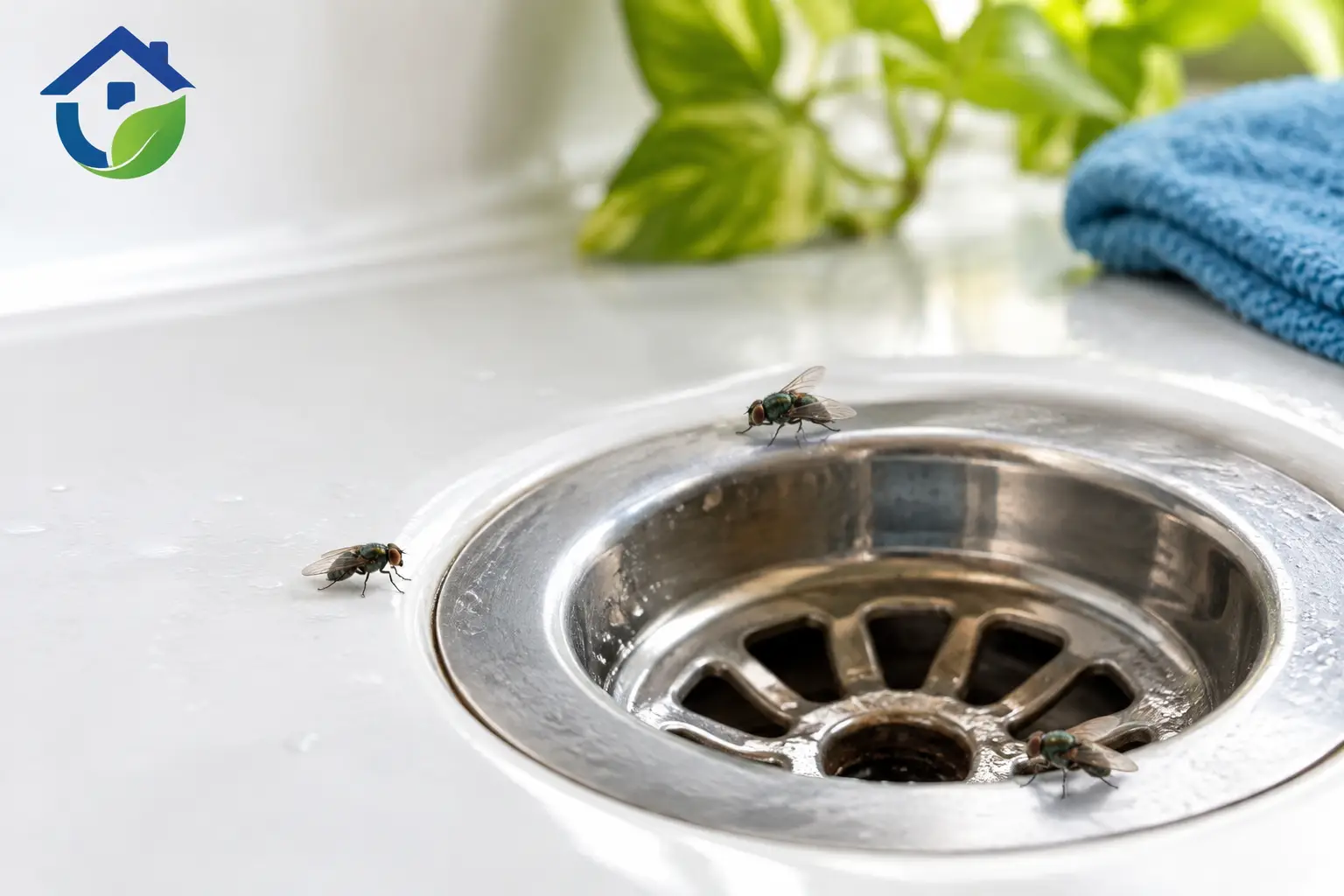
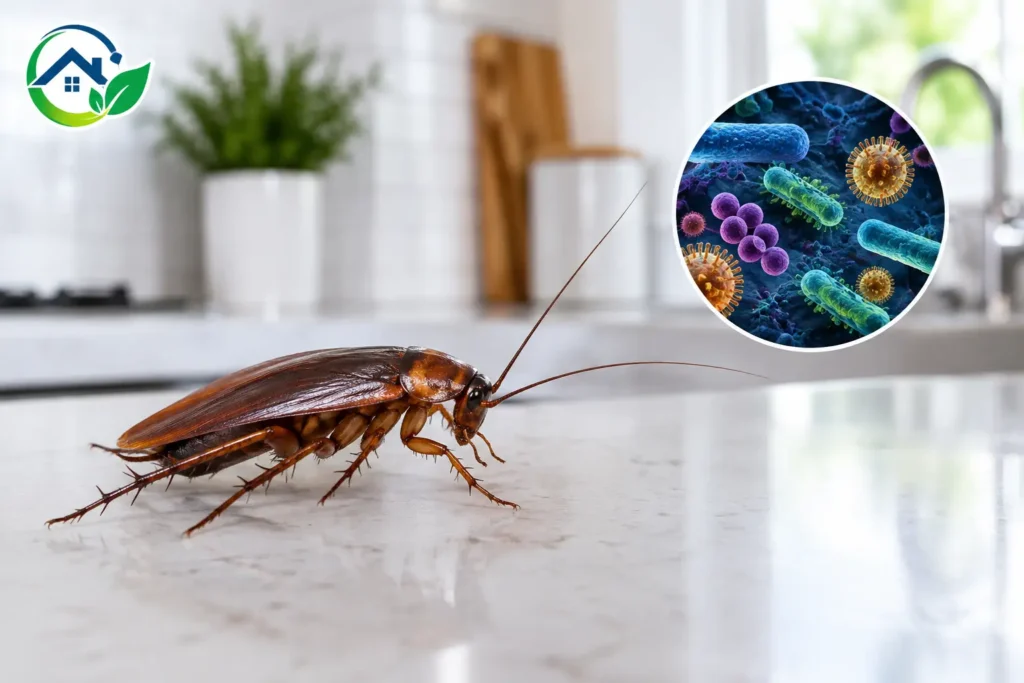
A cockroach crossing a kitchen counter is more than an unpleasant sight. Cockroaches spread disease when they move from contaminated places such as trash areas, drains, sewers, and pet waste to food, dishes, prep surfaces, and storage shelves. In Florida’s warm, humid conditions, they can stay active through much of the year, making fast action a practical health and sanitation decision.
That does not mean every roach sighting will make someone sick. The real risk depends on the type of cockroach, the size and location of the infestation, the sanitation conditions around it, and whether roaches can access food-contact surfaces. But when roaches are active in a home, restaurant, school, healthcare setting, or rental property, they should be taken seriously.
How Cockroaches Spread Disease
Cockroaches do not need to bite or sting to create a health concern. They can act as mechanical carriers, picking up bacteria and other contaminants on their legs and bodies as they travel through unsanitary areas. They can then transfer those contaminants to countertops, utensils, pantry goods, dishes, and equipment.
Roaches may also contaminate surfaces through droppings, saliva, shed skins, and contact with food. Studies have found cockroaches associated with organisms that can contribute to foodborne illness and stomach upset, including bacteria such as Salmonella and E. coli. Finding these organisms on a roach does not prove that a specific illness came from that insect. Still, it explains why an active infestation deserves prompt control, especially where food is prepared or vulnerable people live.
The concern increases when cockroaches are nesting close to kitchens, break rooms, food storage rooms, garbage chutes, plumbing voids, or floor drains. A roach that spends the night feeding around a leaking pipe or dumpster can reach a food-prep surface before morning.
Roaches Can Also Worsen Allergies and Asthma
Disease transmission is only part of the problem. Cockroach droppings, shed skins, saliva, and body fragments contain proteins that can trigger allergies. For people with asthma, particularly children, repeated exposure can make symptoms more frequent or more severe.
This is one reason homeowners should not wait until roaches are visible in daylight. Roaches are typically active at night. Seeing one during the day can indicate crowding, disturbed nesting areas, or a larger population competing for hiding places.
In apartments, condos, and other multi-unit properties, the issue can move beyond one unit. Roaches travel through wall voids, plumbing penetrations, shared utility lines, and gaps around doors. Cleaning one apartment helps, but building-wide prevention and coordinated treatment may be necessary to stop the cycle.
Where Cockroaches Pick Up and Leave Germs
Roaches need moisture, shelter, and easy access to food. That is why infestations often start or grow in areas people do not check often: under sinks, behind refrigerators, around dishwashers, in cabinet hinges, beneath floor mats, in laundry areas, and near water heaters.
In commercial facilities, the highest-risk zones often include receiving areas, dumpsters, grease-handling locations, employee break rooms, mop closets, drains, and dry-storage spaces. Hospitality, food service, healthcare, and education facilities face added pressure because even a small infestation can affect sanitation standards, customer trust, and daily operations.
Florida properties have a particular challenge. Heat, humidity, frequent rain, and year-round insect activity create favorable conditions around buildings. Moisture problems, overflowing outdoor bins, cracked door sweeps, and gaps around pipes can all give cockroaches a route inside.
Warning Signs That Need Attention
A live roach is an obvious sign, but it is not the only one. Small dark droppings that resemble pepper or coffee grounds may appear in cabinets, drawers, under appliances, and along baseboards. Larger roaches may leave darker, cylindrical droppings.
You may also notice shed skins, tan egg cases, a musty odor in enclosed spaces, or small brown smear marks near harborage areas. Check where food, warmth, and moisture come together. A few roaches near a sink can signal a bigger issue behind walls or beneath appliances.
Do not assume a clean home cannot have cockroaches. Good housekeeping reduces available food and shelter, but roaches can arrive in grocery bags, cardboard boxes, used appliances, deliveries, luggage, or from neighboring units. Cleanliness matters, yet entry points and hidden moisture often decide whether the problem continues.
What to Do When You See Cockroaches
Start by protecting food-contact areas. Put food in sealed containers, wash dishes promptly, wipe counters after preparing meals, and do not leave pet food out overnight. Empty indoor trash regularly and clean the container itself, since residue inside the bin can attract roaches even when the bag is removed.
Next, reduce moisture. Repair leaking faucets and pipes, dry the sink before bed when possible, and avoid letting water collect under appliances or in utility areas. Seal obvious gaps around plumbing, walls, windows, and doors. These steps make a property less welcoming, but they rarely eliminate an established infestation on their own.
Avoid relying on random store-bought sprays as the full solution. Spraying visible roaches may kill a few insects while scattering others deeper into cracks, wall voids, and neighboring rooms. Foggers can create additional exposure concerns and often fail to reach the places where roaches actually hide.
For a small, isolated issue, careful sanitation and targeted baiting may help. For repeated sightings, daytime activity, droppings, egg cases, or activity near food areas, professional inspection is the safer choice. The right treatment depends on the species, nesting locations, building layout, sanitation conditions, and how far the infestation has spread.
Professional Control Protects More Than One Room
Effective cockroach management is not just about killing the insects you see. It involves identifying the species, locating harborages, reducing access points, treating strategically, and monitoring for activity after service. In commercial settings, it also means protecting sensitive areas and working around operating hours, food safety practices, and facility requirements.
Florida Bug Control approaches cockroach issues with the urgency they deserve. A trained technician can look beyond the kitchen counter to inspect likely travel routes, moisture sources, cracks, utility openings, and concealed nesting sites. Treatment should be matched to the property, with clear guidance on preparation and prevention so the problem is less likely to return.
For renters, document sightings and notify property management quickly, especially if activity is occurring around plumbing or shared walls. For owners and managers, address the source rather than repeatedly treating symptoms in one room. Fast response can limit contamination concerns, reduce complaints, and prevent a small population from becoming a larger infestation.
A roach-free space is not only more comfortable. It is easier to keep sanitary, safer for people with allergies or asthma, and far less likely to put food and surfaces at risk. If you are seeing signs of activity, act while the problem is still easier to contain.