A cockroach sighting near a medication room, a fly in a cafeteria, or rodent evidence above a ceiling tile is not a routine maintenance issue. In a care setting, healthcare pest protocols protect patient safety, infection-control efforts, food service, staff confidence, and the facility’s reputation. The right response is fast, documented, and built around prevention, not just a one-time treatment.
For hospitals, clinics, surgical centers, long-term care communities, and medical offices, pest control has to work around vulnerable people and sensitive spaces. That calls for a plan tailored to how the building operates, where people receive care, and what conditions may be drawing pests inside.
Why Healthcare Pest Protocols Need a Higher Standard
Pests can carry bacteria, contaminate surfaces and supplies, damage stored materials, and create serious concern for patients and visitors. Even when a pest does not cause direct exposure, one visible insect or rodent can shake trust in a facility that is expected to be clean and controlled.
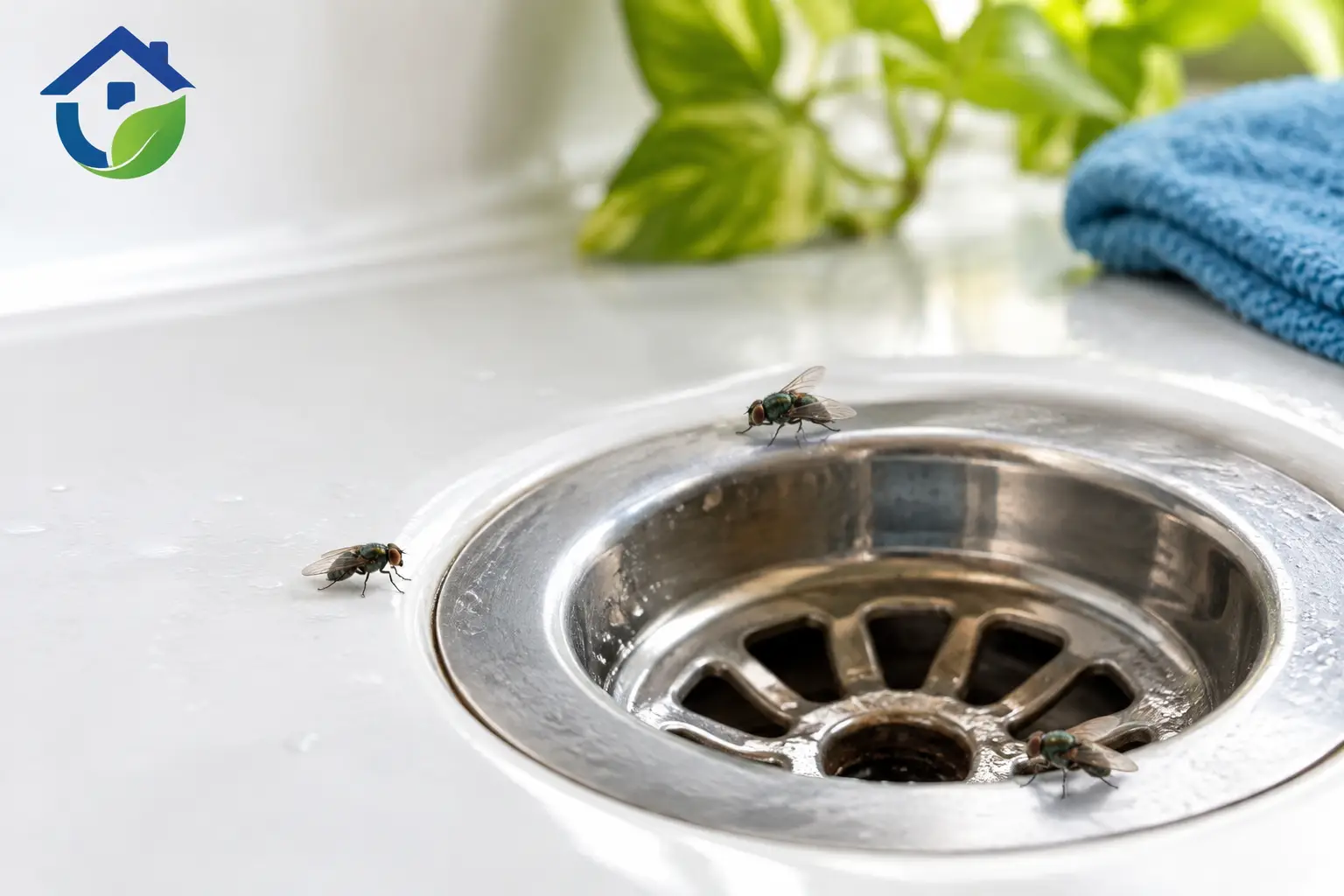
Healthcare environments also create conditions pests can exploit. Food is prepared and served throughout the day. Linens, deliveries, waste, and medical supplies move through loading areas and corridors. Plumbing lines, floor drains, utility penetrations, and drop ceilings can provide hidden routes and moisture. Florida’s heat, humidity, and year-round pest pressure make small gaps in a program more likely to become repeat problems.
A treatment-only approach can reduce activity temporarily, but it may not correct the conditions that allowed it. Effective healthcare pest protocols connect inspection, sanitation, exclusion, monitoring, treatment, and documentation into one accountable process.
Start With a Facility-Specific Risk Assessment
No two healthcare properties have the same risk points. A small outpatient practice may need close attention around break rooms, bathrooms, and exterior doors. A large hospital campus may have kitchens, pharmacies, laundry operations, loading docks, patient towers, waste compactors, landscaped grounds, and multiple vendors entering every day.
A qualified pest professional should begin by mapping the building’s pressure points. This includes reviewing recent pest activity, inspecting structural gaps, locating moisture sources, and identifying areas where food, waste, or clutter may accumulate. Staff input matters here. Environmental services, food service, maintenance, nursing, and security teams often see early signs before they become formal reports.
The assessment should identify high-risk zones and establish how often each area is inspected. Common priorities include food preparation and dining areas, waste storage, loading docks, staff break rooms, utility rooms, laundry areas, patient rooms, storage closets, ceiling voids, and exterior entry points.
High-Risk Areas Change by Department
Not every pest concern should be handled the same way. A fly issue near a loading area may point to door practices, dumpster sanitation, or drainage. Cockroach activity in a break room can be connected to food storage, leaks, or gaps around pipes. Rodent evidence near a mechanical room often requires exterior exclusion and a careful review of utility penetrations.
The response must match the pest, the location, and the people who use the space. In patient-care areas, the safest option may be inspection, trapping, exclusion, or targeted treatment scheduled around clinical activity. A broad, disruptive response is rarely the best answer.
Build Prevention Into Daily Operations
Pest prevention is a facility-wide responsibility, not a task that belongs only to a pest control provider. Employees do not need to be pest experts, but they should know what to report and who to notify. A quick report of droppings, insect sightings, standing water, damaged door sweeps, or an unusual odor can prevent a larger issue.
Sanitation remains one of the strongest lines of defense. Food should be sealed and removed from workstations at the end of shifts. Waste needs dependable pickup schedules, clean containers, and lids that close fully. Spills should be addressed promptly, especially in cafeterias, nourishment areas, and staff lounges. Cardboard and unused materials should not collect in storage rooms where pests can hide.
Moisture control is just as important. Leaking pipes, condensation around HVAC equipment, slow drains, and water under sinks can support cockroaches, flies, and other pests. Maintenance teams should treat these issues as pest-prevention priorities, not cosmetic repairs.
Exclusion closes the routes pests use to enter. Door sweeps, screens, weatherstripping, sealed pipe penetrations, repaired wall gaps, and well-maintained loading dock doors all make a measurable difference. In Florida, exterior conditions matter too. Vegetation should not press against the building, standing water should be corrected, and trash areas should be kept clean and accessible for service.
Use Monitoring Before a Small Issue Gets Bigger
Monitoring devices give a facility useful evidence between service visits. Properly placed insect monitors, fly devices, and rodent monitoring stations can show where activity is occurring and whether it is increasing or declining. They should be placed discreetly and safely, with clear records of locations and findings.
The value is not simply catching a pest. It is spotting patterns. Repeated insect activity near one sink may reveal a plumbing issue. Monitoring around a receiving door may show that pests are entering during deliveries. Activity in a storage area can indicate that stored goods need to be rotated or that a structural opening needs attention.
Good records help facility leaders make informed decisions. They also demonstrate that the facility is responding consistently rather than waiting for a complaint or inspection finding.
Set Clear Reporting and Response Procedures
Every employee should know how to report pest activity without delay. The report should include the date, time, exact location, pest description if known, and whether the pest was alive, dead, or evidence such as droppings or nesting material. Photos can help when they can be taken without disrupting patient care or privacy.
The facility should then have a defined chain of communication. Depending on the location and severity, that may involve environmental services, facilities management, infection prevention, food service leadership, or administration. A pest management provider should receive enough detail to inspect the right area promptly.
Urgency depends on the situation. A single insect near an exterior entrance may call for monitoring and inspection. Pest activity in food preparation areas, sterile supply storage, medication spaces, patient-care rooms, or areas with immunocompromised patients requires a more immediate response. The protocol should make that distinction clear before an incident happens.
Choose Treatments That Respect Care Environments
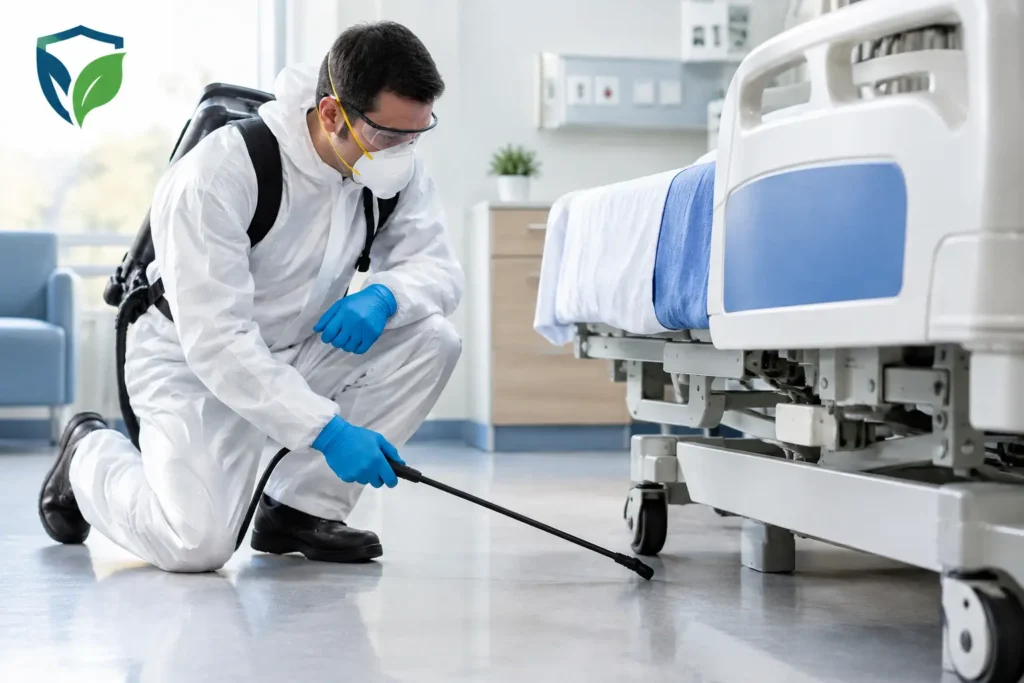
In healthcare, safe pest management is about precision. The goal is to use the least disruptive, most effective method for the specific issue. That can include exclusion work, sanitation corrections, mechanical removal, targeted baits, crack-and-crevice applications, or carefully placed monitoring and control devices.
Treatment plans should account for patient schedules, clinical procedures, ventilation, food service operations, and housekeeping routines. Certain areas may need to be temporarily cleared or treated after hours. Others may be better served through non-chemical measures and follow-up monitoring. There is no single answer for every facility.
A qualified provider should explain what is being done, why it is appropriate for that space, and what the facility team needs to do afterward. Clear communication prevents accidental disruption and helps staff support the treatment plan.
Document Every Step and Review the Trend
Documentation turns pest control from a reaction into a managed program. Service reports should record inspections, sightings, monitoring results, sanitation or maintenance findings, treatments performed, and recommendations. Corrective actions should have an owner and a reasonable completion date.
Regular reviews are especially useful for larger facilities or properties with food service, overnight occupancy, or multiple buildings. Facility leaders can look for repeat locations, seasonal changes, unresolved maintenance needs, and patterns tied to deliveries or waste handling. If the same issue keeps returning, the protocol needs adjustment rather than another identical service call.
Florida Bug Control works with commercial facilities that need prompt, practical pest management without being locked into a restrictive contract. The right provider should be ready to respond, communicate clearly with your team, and return as needed until the issue is resolved.
Keep Your Plan Ready Before the Next Sighting
A clean-looking building is not automatically protected from pests. The strongest healthcare pest protocols are active behind the scenes: staff know what to report, maintenance closes entry points, sanitation removes attractants, monitoring catches activity early, and service records show what happened next.
That preparation gives your team something better than a quick fix. It gives patients, residents, visitors, and staff the confidence that their care environment is being protected with the urgency it deserves.