A palmetto bug sighting near the kitchen sink or racing across the garage wall is more than unsettling. It is usually a sign that moisture, shelter, or an easy entry point is available. To stop palmetto bugs entering homes, focus on the conditions around your property as much as the insects you can see inside.
In Florida, these large cockroaches are active much of the year. Heavy rain, heat, landscaping, floor drains, and small gaps around a home can all create a path indoors. A few targeted prevention steps can make a major difference, but repeated sightings may point to an issue that needs professional treatment.
Start by Closing the Openings They Use
Palmetto bugs can fit through surprisingly small gaps, especially around doors, utility lines, and plumbing penetrations. They also enter when a door is left open, so a good prevention plan combines exclusion work with everyday habits.
Walk the outside of your home in daylight and look closely at the lower walls, doors, windows, and roofline. Replace worn door sweeps that leave light visible under an exterior door. Repair damaged window screens and make sure screen frames fit tightly. Weatherstripping around doors and windows should be intact, not cracked, compressed, or missing.
Pay special attention to openings where air-conditioning lines, cable, plumbing, and electrical conduits enter the building. Seal narrow gaps with an appropriate exterior-grade material, while leaving any required drainage or ventilation openings clear. Vents need secure, pest-resistant screens that still allow proper airflow.
Garages deserve the same attention as the main house. The gap under an overhead garage door is one of the most common entry routes, particularly after the bottom seal has worn down. If you store pet food, cardboard, tools, or holiday decorations there, the garage can become a convenient stop before bugs move farther inside.
Do not overlook drains and plumbing areas
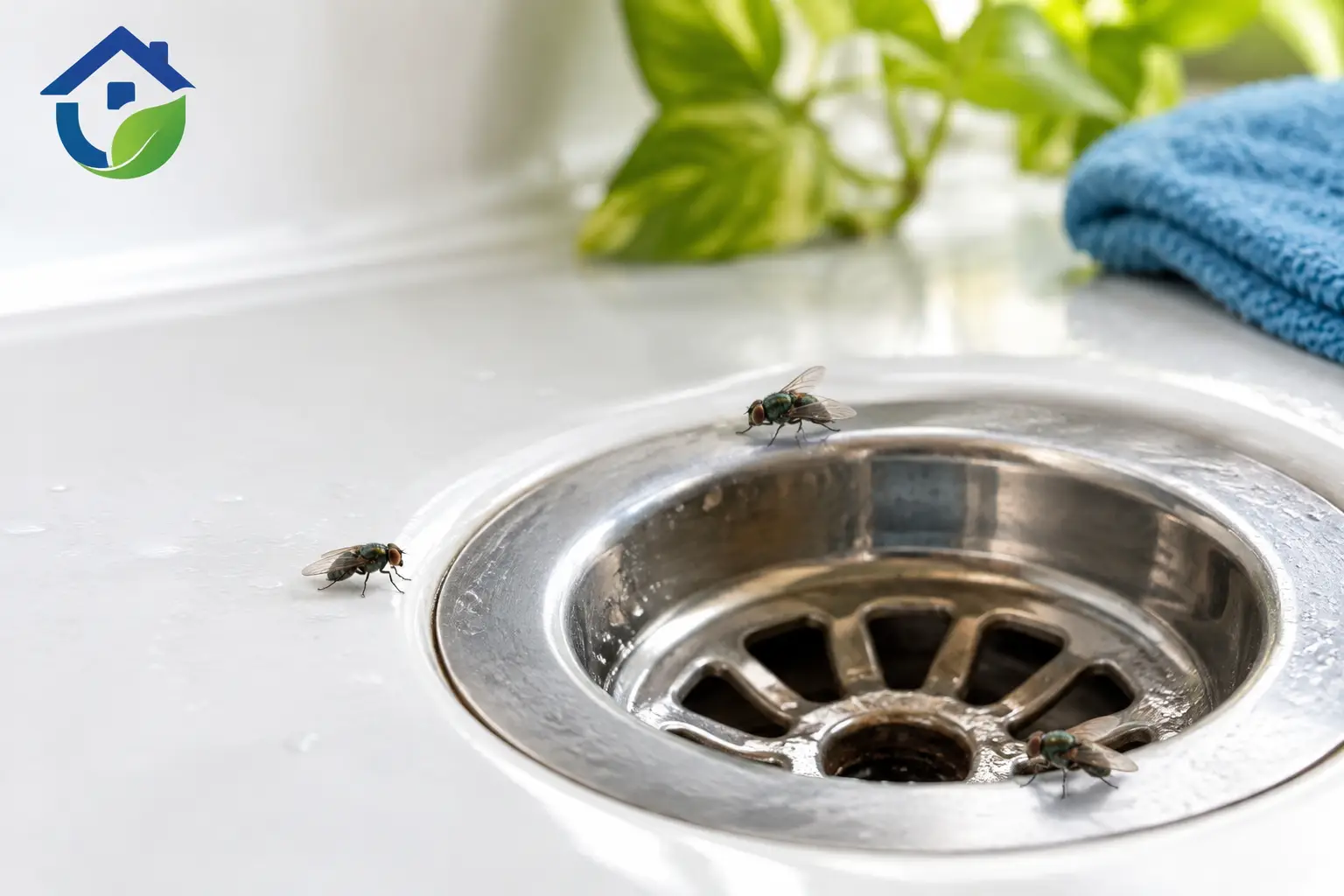
Palmetto bugs often travel through damp utility spaces. Keep sink, shower, laundry, and floor drains clean, and make sure seldom-used drains do not dry out. A dry drain trap can allow pests from connected plumbing areas to emerge indoors. Running water briefly in infrequently used bathrooms, laundry rooms, and storage-area drains helps maintain the water barrier.
If bugs are regularly appearing from one drain, do not simply cover the problem with a household spray. The drain may have buildup, a plumbing concern, or a nearby harborage area that needs to be addressed.
Remove the Moisture That Draws Palmetto Bugs In
Water is one of the strongest attractants for palmetto bugs. A clean home can still have a cockroach problem if it offers consistent moisture. That is why the source matters more than wiping up one spill.
Check under sinks, behind refrigerators, around water heaters, and near washing machines for slow leaks. Repair dripping faucets and condensation problems promptly. In bathrooms, run the exhaust fan during and after showers, and do not leave wet towels or bath mats piled in a corner for days.
Outside, make sure gutters move water away from the house and that downspouts drain properly. Standing water near the foundation, a leaking irrigation line, or an air-conditioning condensate issue can create the damp conditions these pests prefer. After Florida storms, inspect the property again. Rain can push outdoor pests toward dry indoor shelter quickly.
Mulch, leaf litter, and dense ground cover should not stay piled against the foundation. Keep a clear, dry buffer between vegetation and the exterior wall when possible. This reduces the shaded, humid hiding areas where palmetto bugs rest during the day.
Keep Food Sources Hard to Reach
Palmetto bugs are not picky eaters. Crumbs, grease, pet food, garbage residue, and even food left in a sink overnight can give them a reason to stay once they get inside. Sanitation does not replace sealing or professional treatment, but it removes the easy rewards that support ongoing activity.
Wipe counters and the stovetop after cooking, including the small spaces around burners and appliances where grease collects. Sweep or vacuum kitchen floors regularly. Store dry goods in sealed containers rather than thin bags or open boxes, and keep fruit from overripening on the counter.
Pet bowls are often missed. Feed pets on a schedule when practical, and pick up leftovers before bedtime. Keep indoor and outdoor trash in containers with tight-fitting lids, then rinse bins when residue builds up. A clean recycling container matters too, especially if it holds cans or bottles with food residue.
Cardboard can trap moisture and provide harborage, particularly in garages, laundry rooms, closets, and storage spaces. Break down and remove unnecessary boxes instead of letting them accumulate. Use plastic storage totes with secure lids for items you need to keep.
Make the Yard Less Hospitable
The best way to stop palmetto bugs entering homes is often to reduce their hiding places outdoors. A tidy perimeter will not eliminate every pest in Florida, but it makes the home less attractive and makes inspections more effective.
Keep shrubs, vines, and tree branches trimmed away from exterior walls and the roof. Remove fallen palm fronds, decaying leaves, stacked wood, and unused pots from near the structure. These materials hold moisture and provide protected places for cockroaches to hide.
Outdoor lighting can also affect activity. Insects gather around bright exterior lights, and palmetto bugs may follow that activity toward doors and windows. Consider using warm-toned bulbs and place lighting away from entrances when the layout allows. This is not a complete solution, but it can reduce nighttime traffic near common entry points.
Inspect outdoor storage sheds, utility boxes, and garbage areas as well. If palmetto bugs are established in one of these locations, treating only inside the house may provide short-lived relief.
Why Indoor Sprays Often Fall Short
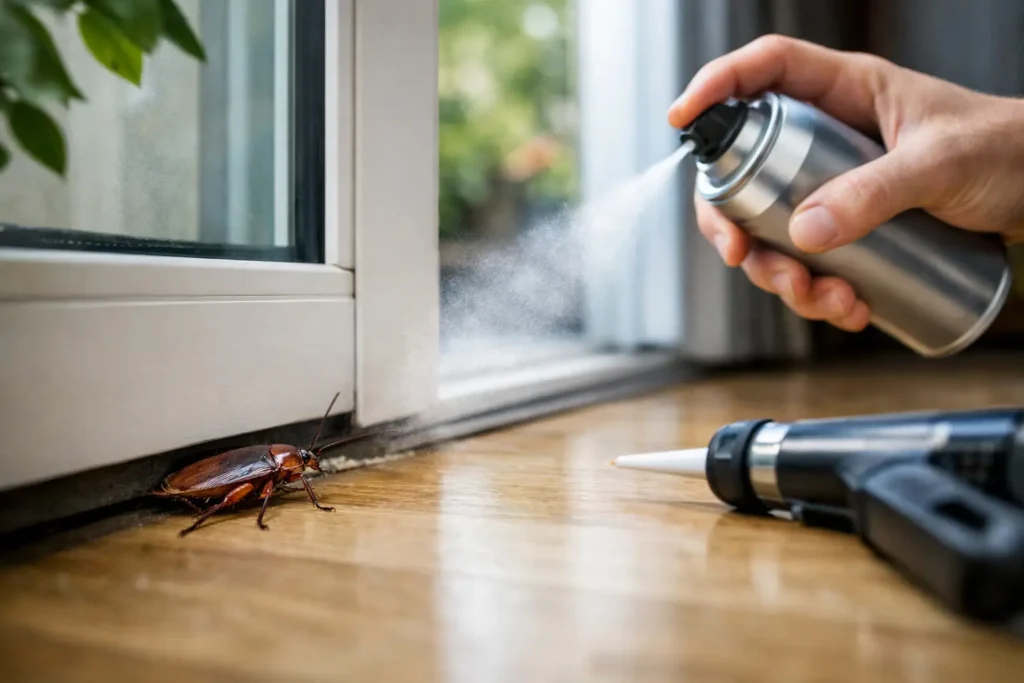
A store-bought aerosol can kill a bug you see, but it rarely reaches the places where others are hiding or traveling. Spraying along baseboards without identifying entry points can also scatter pests into deeper cracks and voids. The result is often a brief quiet period followed by more sightings.
Baits, traps, and targeted products can be useful in the right location, but placement and species identification matter. The term “palmetto bug” can describe more than one large cockroach found in Florida. Some commonly live outdoors and wander in, while others may be more closely tied to indoor moisture or harborages. The right treatment depends on which situation you have.
For homes with children or pets, product selection and placement require extra care. Avoid applying products where they can be reached, touched, or contaminated by food. A trained pest professional can locate likely travel paths, treat cracks and exterior harborage areas appropriately, and build a prevention plan around your property.
When a Sighting Calls for Professional Help
One bug after a severe storm or an open patio door does not always mean an infestation. Frequent sightings, daytime activity, droppings, shed skins, musty odors, or bugs appearing in multiple rooms are stronger reasons to act quickly. Seeing small nymphs is especially concerning because it can indicate breeding activity nearby.
Property managers and commercial operators should respond early. In restaurants, healthcare settings, multifamily buildings, and hospitality properties, a single recurring source can affect more than one unit or area. Consistent monitoring, sanitation coordination, exclusion repairs, and targeted service are usually more dependable than reacting to individual sightings.
Florida Bug Control provides safe, fast, and guaranteed service for homes and businesses dealing with Florida-specific cockroach pressure. There is no need to wait for a small concern to turn into a repeat problem. An inspection can identify where pests are entering, where they are hiding, and which changes will have the greatest impact.
The goal is not to make your home look spotless for one day. It is to keep doors, drains, moisture sources, food storage, and outdoor hiding spots working against palmetto bugs every day. That steady approach gives your home the protection it needs when Florida weather sends pests looking for shelter.