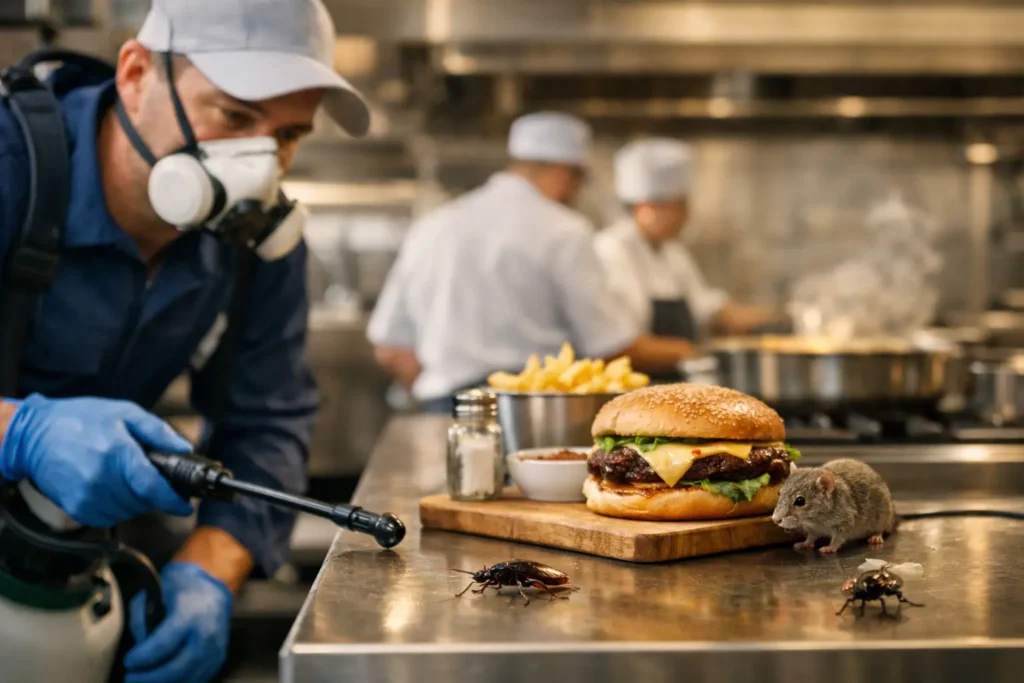
A single roach sighting in a dining room can undo months of good reviews. In Florida, where heat, humidity, and year-round pest pressure never really let up, restaurant pest control Florida operators rely on has to do more than spray and leave. It has to protect food, keep service moving, and hold up under real inspection standards.
Restaurants deal with a different level of urgency than most businesses. A pest issue is not just unpleasant. It can interrupt service, damage your reputation, put staff under pressure, and create real health concerns. That is why the right pest control plan for a restaurant needs to be fast, targeted, and built around prevention as much as treatment.
Why restaurant pest control in Florida is different
Florida gives pests exactly what they want – warmth, moisture, shelter, and a steady food source. For restaurants, that creates constant pressure from cockroaches, flies, ants, rodents, stored product pests, and occasional invaders that come in through deliveries, drains, doors, and dumpsters.
What makes the problem harder is that restaurants are busy ecosystems. There is grease buildup behind equipment, crumbs under prep lines, moisture around sinks, boxes arriving from suppliers, and back doors opening all day long. Even a clean operation can develop a pest issue if small vulnerabilities go unchecked.
Location also matters. A restaurant in Miami may deal with heavy fly and cockroach pressure nearly every month of the year. A facility in Tallahassee or Lake City may see seasonal spikes around rain, drainage problems, or surrounding vegetation. The pests differ, but the pattern is the same. If your pest control provider does not understand Florida conditions, you end up reacting instead of preventing.
The pests that cause the biggest restaurant problems
Cockroaches are high on the list for obvious reasons. They hide in tight, warm spaces near kitchens, dish areas, floor drains, and equipment motors. You may not see them during business hours, which is exactly why infestations can build before management realizes how serious the issue has become.
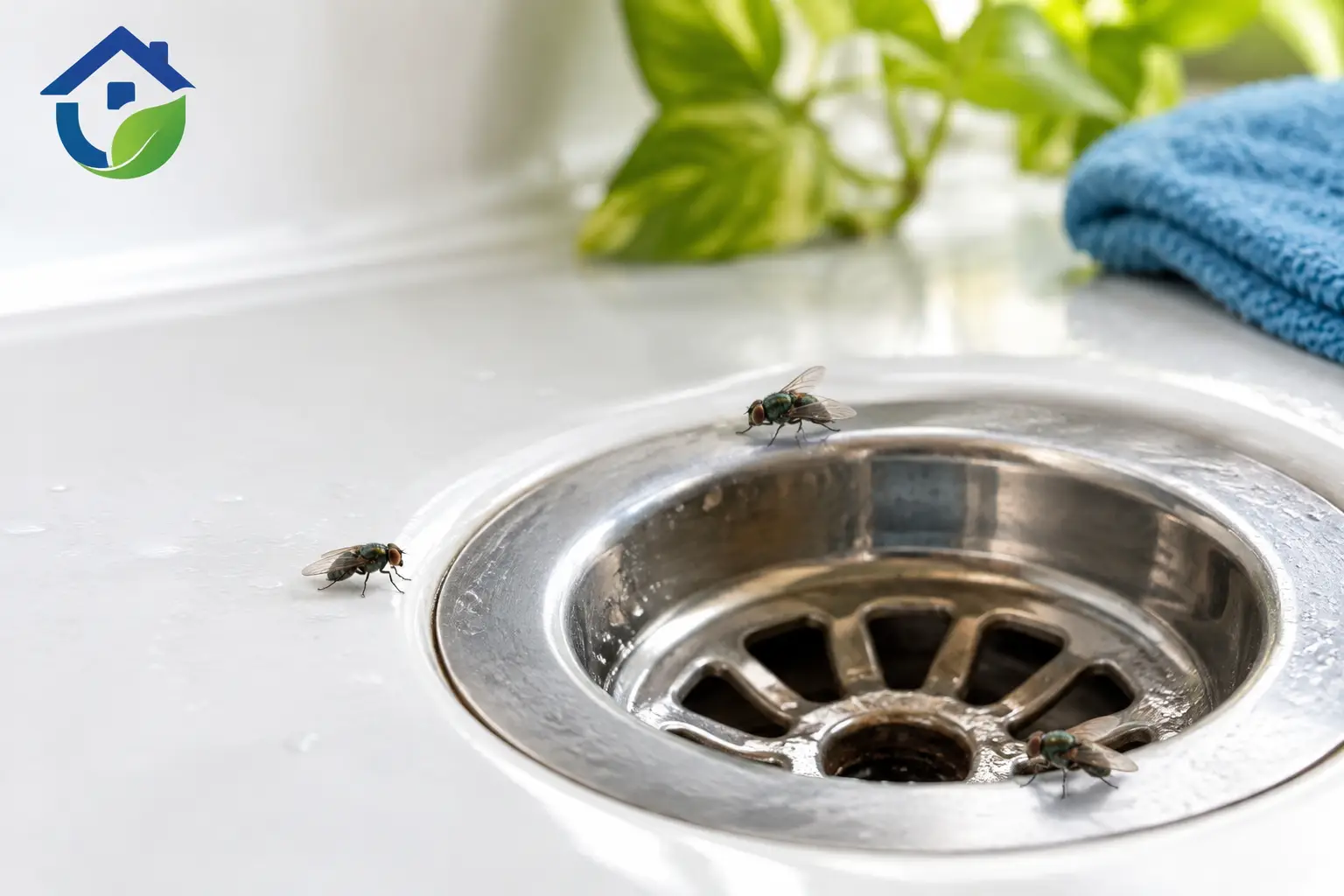
Flies create a different kind of risk. They are visible, fast-moving, and deeply unsettling to customers. Drain flies, fruit flies, and house flies each point to different underlying conditions, so treating them correctly depends on accurate identification. A quick spray may reduce activity for a day, but if the breeding source stays in place, the problem returns.
Rodents raise the stakes even further. They contaminate food storage areas, chew packaging, leave droppings, and move through walls, ceilings, and utility runs. In a restaurant, one mouse spotted by a customer can become a public relations problem before the dinner rush is over.
Ants are often underestimated because they seem minor compared with roaches or rodents. In reality, they can become a recurring headache in beverage stations, prep zones, and storage areas, especially during heavy rain or drought when they start hunting for water and sugar indoors.
What a strong restaurant pest control plan should include
Good restaurant pest control is not a one-size-fits-all service. It should begin with a detailed inspection of the kitchen, dining area, storage rooms, exterior perimeter, dumpster area, drains, wall gaps, and delivery points. Without that, treatment is guesswork.
The best plans combine immediate control with long-term prevention. That usually means targeted treatment in active areas, monitoring devices in strategic locations, and clear recommendations for sanitation and exclusion. It also means documenting what was found, what was treated, and what should be corrected by staff or maintenance.
There is always a balance to strike in restaurants. You need strong pest suppression, but you also need methods that fit food-service environments safely and responsibly. That is why experienced commercial pest professionals focus on precise applications and practical prevention instead of relying on heavy-handed treatments.
Scheduling matters too. Restaurants cannot always pause operations for service. A provider that offers responsive scheduling, including after-hours or flexible visit windows, is often the difference between fixing a problem early and letting it interfere with business.
Restaurant pest control Florida teams should prioritize prevention
Emergency service matters, but prevention is what saves money and stress over time. The restaurants that stay ahead of pest issues tend to do a few things consistently. They keep dumpster lids closed, reduce standing water, rotate stock, clean under equipment, and train staff to report sightings early rather than ignore them.
Still, even strong in-house habits are not enough by themselves. Pests exploit tiny gaps. A missing door sweep, cracked seal around plumbing, or moisture buildup near a floor drain can support ongoing activity. That is where a commercial pest partner adds real value – not just by treating visible pests, but by spotting the conditions that allow them to return.
This is also where no-contract flexibility can make sense for some operators. A restaurant may need recurring service for continuous protection, but owners and managers still want control over the relationship. They want a company that earns the business through results, quick response, and accountability.
Signs your restaurant may already have a hidden problem
Not every infestation announces itself in the middle of the lunch rush. In many cases, the first warnings are subtle. Staff may notice a musty odor near storage, small droppings along walls, insect activity around drains, grease marks in hidden corners, or packaging damage in dry goods.
Customer-facing signs usually show up later, and by then the issue is often more established. Seeing pests during daylight, especially roaches or rodents, can suggest overcrowding or a well-developed nesting pattern. Increased fly activity around beverage stations or restrooms usually points to a breeding source that needs more than surface cleaning.
If your restaurant has had recurring issues with the same pest despite repeated basic treatments, that is another sign the root cause has not been solved. The right response is not more of the same. It is a more complete inspection and a more strategic plan.
How inspections and compliance fit into the picture
Restaurant managers do not just need pest control. They need confidence. That means having records, consistent service, and a provider who understands the level of scrutiny food-service businesses face.
A proper commercial program should support inspection readiness with clear reporting and documented findings. It should also identify trends over time. One isolated ant trail may be manageable. A pattern of repeated activity around the same wall void, drain line, or receiving area tells a different story.
This is where experience with commercial environments matters. Healthcare, hospitality, food production, and restaurants all share a need for precision, safety, and responsiveness. Pest control in these settings is part of operational risk management, not just maintenance.
Choosing a restaurant pest control provider in Florida
Speed matters, but speed alone is not enough. Restaurant owners should look for a provider that can identify Florida-specific pest pressures, respond quickly when something changes, and build a plan around the realities of the business. That includes kitchen layouts, service hours, sanitation workflows, and back-of-house pressure points.
It also helps to choose a company that stands behind its work. Guarantees, return visits when needed, and clear communication are not extras in this industry. They are basic requirements. If pests come back, your pest control company should come back too.
For many restaurants, especially independent operators and multi-location groups, consistency is just as important as treatment quality. You want the same level of accountability whether the issue is a sudden rodent sighting, recurring drain flies, or preventive service before peak season starts.
Florida Bug Control is built around that kind of response – safe, fast, and guaranteed service for businesses that cannot afford uncertainty.
The real cost of waiting
Some owners delay service because the issue seems minor or isolated. That can be an expensive gamble. Pest pressure rarely stays small in a restaurant environment. Food, water, warmth, and shelter accelerate the problem, and the longer it goes untreated, the more disruptive the correction usually becomes.
There is also the hidden cost of staff distraction. When employees are dealing with pests during prep, cleaning, or customer service, standards slip and morale takes a hit. A dependable pest control program protects more than the building. It protects the pace and confidence of the whole operation.
Restaurant pest control in Florida works best when it is proactive, not reactive. Fast treatment matters, but long-term protection comes from regular inspection, targeted service, and a provider who understands what is at stake every time your doors open. If you run a restaurant, pest control should feel like one less thing to worry about, not one more fire to put out.