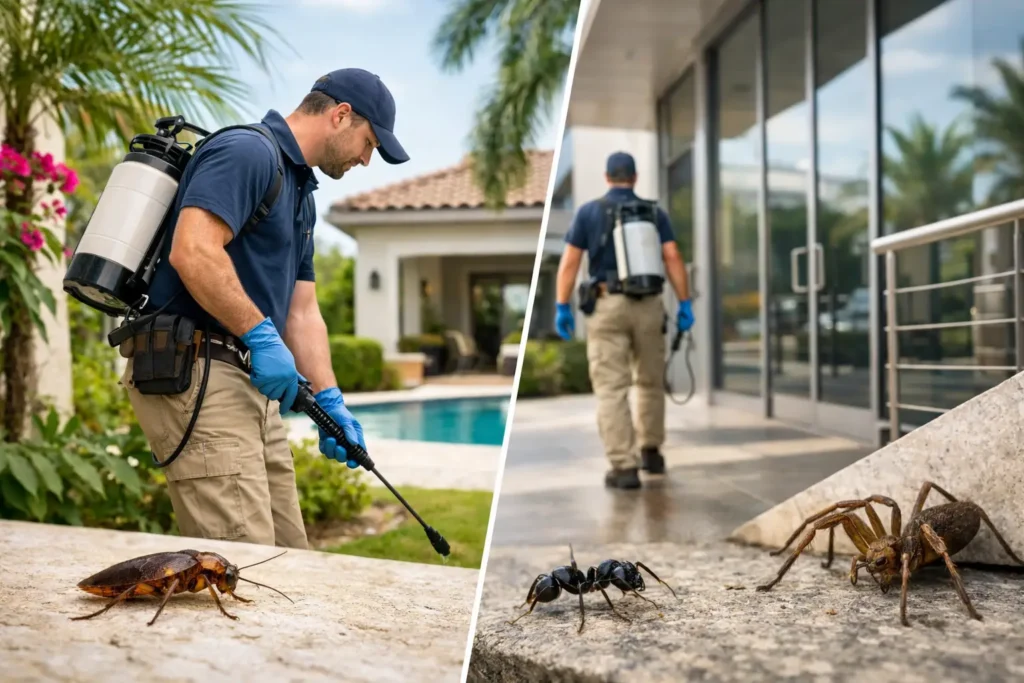
A cockroach under the sink, bites that appear overnight, or ants crossing a kitchen counter can turn a normal day into a problem that needs attention now. Effective bug control services do more than treat what you can see. They identify where pests are coming from, remove the conditions helping them survive, and build a plan to keep them from returning.
That matters in Florida, where heat, humidity, heavy rain, dense landscaping, and year-round activity give many pests a long season. A quick spray may reduce visible activity for a few days, but lasting control usually requires a closer look at the property, the pest, and the pressure around the building.
What Professional Bug Control Services Should Do
Good pest management begins with identification. Different pests behave differently, and treating the wrong pest with the wrong method wastes time and money. Small ants may be trailing to a moisture source, while cockroaches may be hiding near appliances, plumbing lines, wall voids, or cardboard storage. Mosquitoes can breed in surprisingly small amounts of standing water. Bed bugs require a highly targeted approach that is very different from routine exterior service.
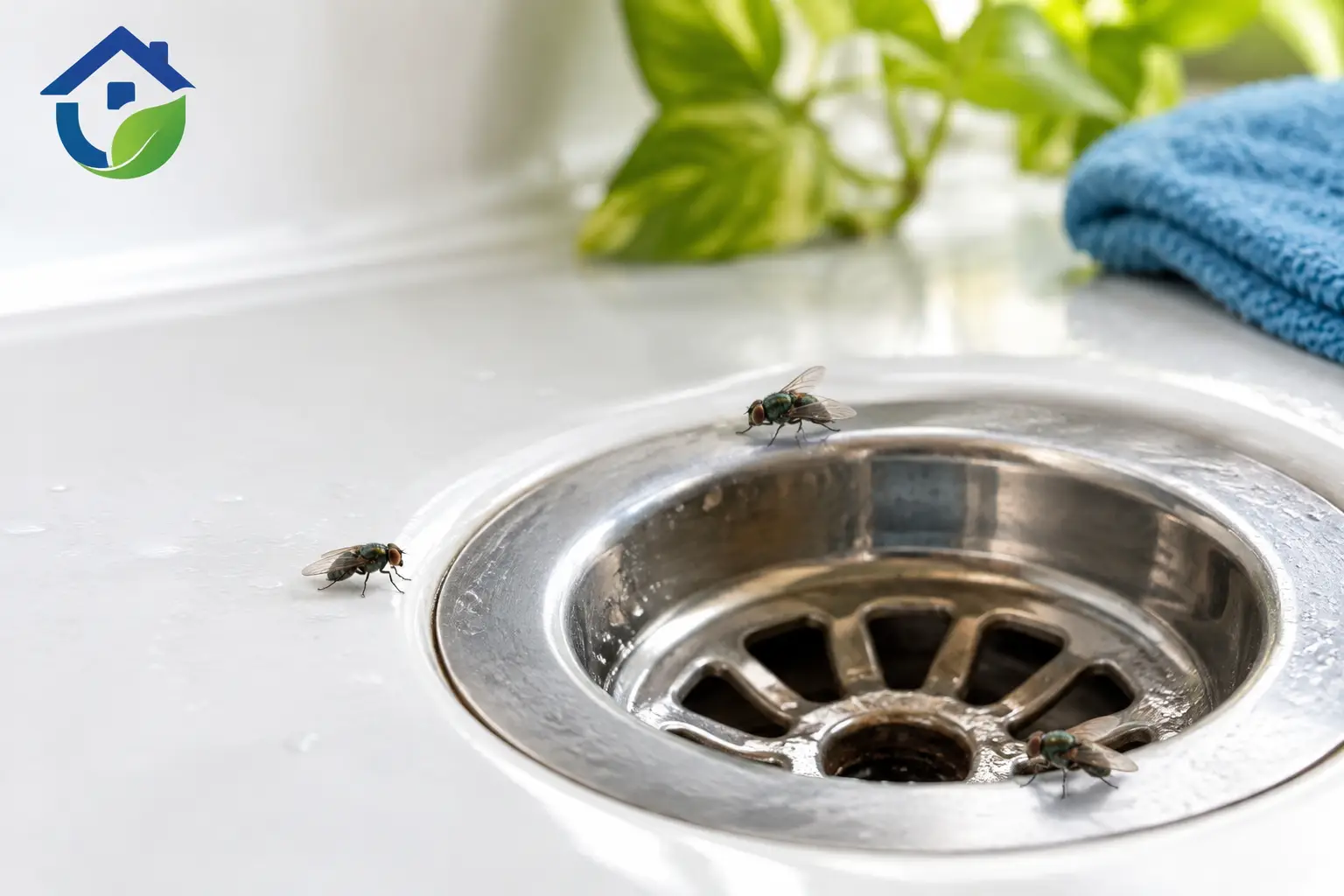
A trained technician should inspect the active areas, ask what you have noticed, and look for contributing conditions. That can include entry gaps, leaking pipes, overgrown vegetation against the structure, food residue, clutter, overflowing trash, or moisture around drains and equipment.
The service plan should then fit the situation. Some infestations call for a focused one-time treatment and follow-up. Others need ongoing service because the property faces regular pest pressure. The right answer depends on the pest, the severity of activity, the layout of the building, and how quickly conditions can be corrected.
Treatment Is Only One Part of the Solution
Professional treatment is valuable, but it works best alongside prevention. If a pest has easy access to food, water, and shelter, activity can return after treatment. That does not automatically mean the service failed. It may mean the original conditions are still attracting pests.
A complete approach combines targeted treatment with practical recommendations. For a home, that might mean sealing a gap around a utility line, repairing a door sweep, storing pet food properly, or reducing moisture below a sink. For a business, it may involve improving dumpster management, changing cleaning procedures, protecting receiving areas, or coordinating maintenance repairs.
The goal is not to make every property sterile. It is to make the property much less welcoming to pests while addressing the infestation already there.
When to Call for Bug Control Services
Waiting can make a manageable issue more difficult. Pests reproduce, spread into hidden areas, and may create sanitation concerns, property damage, customer complaints, or lost sleep. Call for an inspection when you see repeated activity, unexplained bites, droppings, nesting materials, damaged food packaging, unusual odors, or pests appearing during the day when they are normally hidden.
Some situations deserve faster action. Wasps near an entryway, rodents in a food-storage area, bed bugs in a bedroom or lodging property, and cockroaches in a kitchen should not be treated as minor inconveniences. Homes with small children, pets, elderly residents, or people with sensitivities also benefit from prompt, professional guidance rather than trial-and-error products.
For commercial properties, one sighting can be enough to act. A restaurant, healthcare facility, school, retail store, hotel, warehouse, or food production site has different operational risks than a private home. The response needs to protect people, inventory, reputation, and day-to-day operations without creating unnecessary disruption.
The Difference Between Residential and Commercial Service
Residential pest control is personal. The technician must understand where family members sleep, where pets eat, which rooms are used most, and what concerns the homeowner has about treatment. Clear instructions matter, especially when preparation or temporary access restrictions are needed.
Commercial bug control is broader and often more documented. A facility may need scheduled inspections, service records, trend tracking, sanitation recommendations, and communication with multiple departments. Treatment timing may need to work around customers, food handling, patient care, production schedules, or school hours.
The same core principle applies in both settings: solve the current issue and reduce the chance of the next one. But the program should never be one-size-fits-all. A beachfront hospitality property, a Miami retail location, and a North Florida home surrounded by trees can face very different pest pressures.
What Safe Treatment Really Means
Safe pest control does not mean ignoring a serious infestation or relying only on a product from a store shelf. It means selecting methods carefully, using them as directed, and focusing treatment where it is needed rather than applying products without a plan.
Your provider should explain what will be treated, why it is being treated, and what you should do before or after service. Ask whether pets or children need to stay away from a specific area, how long any drying time may take, and what changes will help prevent renewed activity. Straight answers are a sign of a service company that takes accountability seriously.
Integrated pest management is often the practical standard: inspect, identify, treat strategically, remove attractants, block entry points, and monitor results. It is a sensible approach because every pest problem has both an immediate cause and an ongoing risk.
Questions to Ask Before You Choose a Provider
Price matters, but the cheapest quote is not always the best value if it does not include inspection, follow-up, or a clear treatment plan. Before scheduling service, ask a few direct questions:
- What pest do you believe is causing the issue, and how will you confirm it?
- Is this a one-time treatment, recurring service, or a treatment with follow-up visits?
- What preparation is required before the technician arrives?
- What happens if pests return after service?
- Are there contracts, cancellation restrictions, or additional fees?
- Can you provide service quickly if the problem is urgent?
These questions reveal whether the company is prepared to solve the problem or simply sell a generic service. A reliable provider will not promise that every pest situation is identical. They will explain what can be controlled immediately, what may take more than one visit, and what you can do to improve the result.
Prevention Steps That Make a Real Difference
Between services, small maintenance habits can greatly reduce pest activity. Keep food in sealed containers, clean crumbs and spills promptly, and avoid leaving pet food out overnight when possible. Empty indoor trash regularly and keep outdoor waste containers closed.
Moisture control is equally important. Repair plumbing leaks, keep gutters and drains flowing, and address water collecting near the foundation. Outside, trim plants away from walls and rooflines, reduce unnecessary clutter near the building, and inspect screens, vents, door sweeps, and utility openings for gaps.
For mosquitoes, walk the property after rain. Empty containers, toys, plant saucers, tarps, and other items that can hold water. It only takes a small collection of water to support breeding activity, so regular checks are more effective than occasional cleanup.
These steps will not replace professional service during an active infestation. They do make treatment more effective and help protect the investment you make in your home or facility.
Fast Response Matters, but Follow-Through Matters More
A pest problem feels urgent because it is urgent. You want someone who can respond quickly, explain the plan clearly, and treat the issue safely. But speed without follow-through is not enough. Some infestations require monitoring, return visits, or adjustments as pest activity changes.
Florida Bug Control is built around that practical expectation: safe, fast, and guaranteed service, with no long-term contract required. If pests come back, the work should not be treated as finished. A provider willing to return until the issue is resolved gives homeowners and business operators something more useful than a quick fix – confidence that someone is accountable for the result.
If you are seeing pest activity, document where and when it appears, remove obvious food and water sources, and request a professional evaluation before the problem gets comfortable in your space. The sooner the right plan begins, the easier it is to restore a clean, protected property.