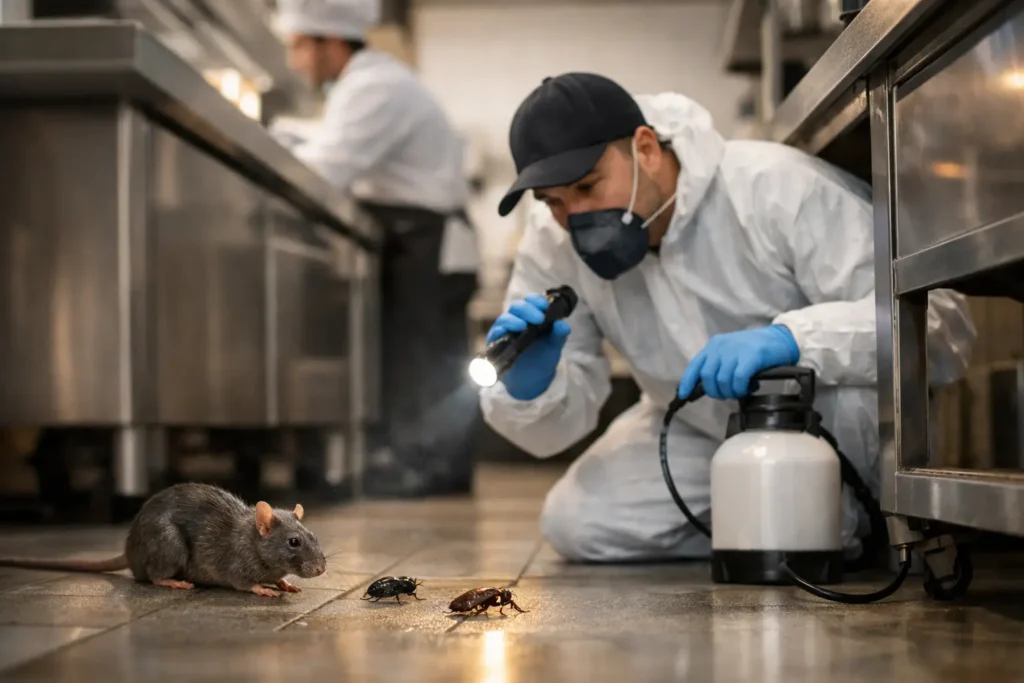
A single fly near a table can make a guest uneasy. A cockroach sighting near a service station can turn into a complaint, a bad review, or a call from an inspector. This restaurant pest control case study follows a representative Florida restaurant response after pest activity began affecting daily operations. Client details are withheld, but the steps reflect the kind of fast, practical action a restaurant needs when sanitation and reputation are on the line.
The restaurant was a busy casual dining location with indoor seating, takeout volume, and a full-service kitchen. Like many Florida operations, it dealt with heavy humidity, frequent deliveries, outdoor trash handling, and long operating hours. Those conditions can create openings for pests even when a team works hard to keep its kitchen clean.
The Problem Started Behind the Scenes
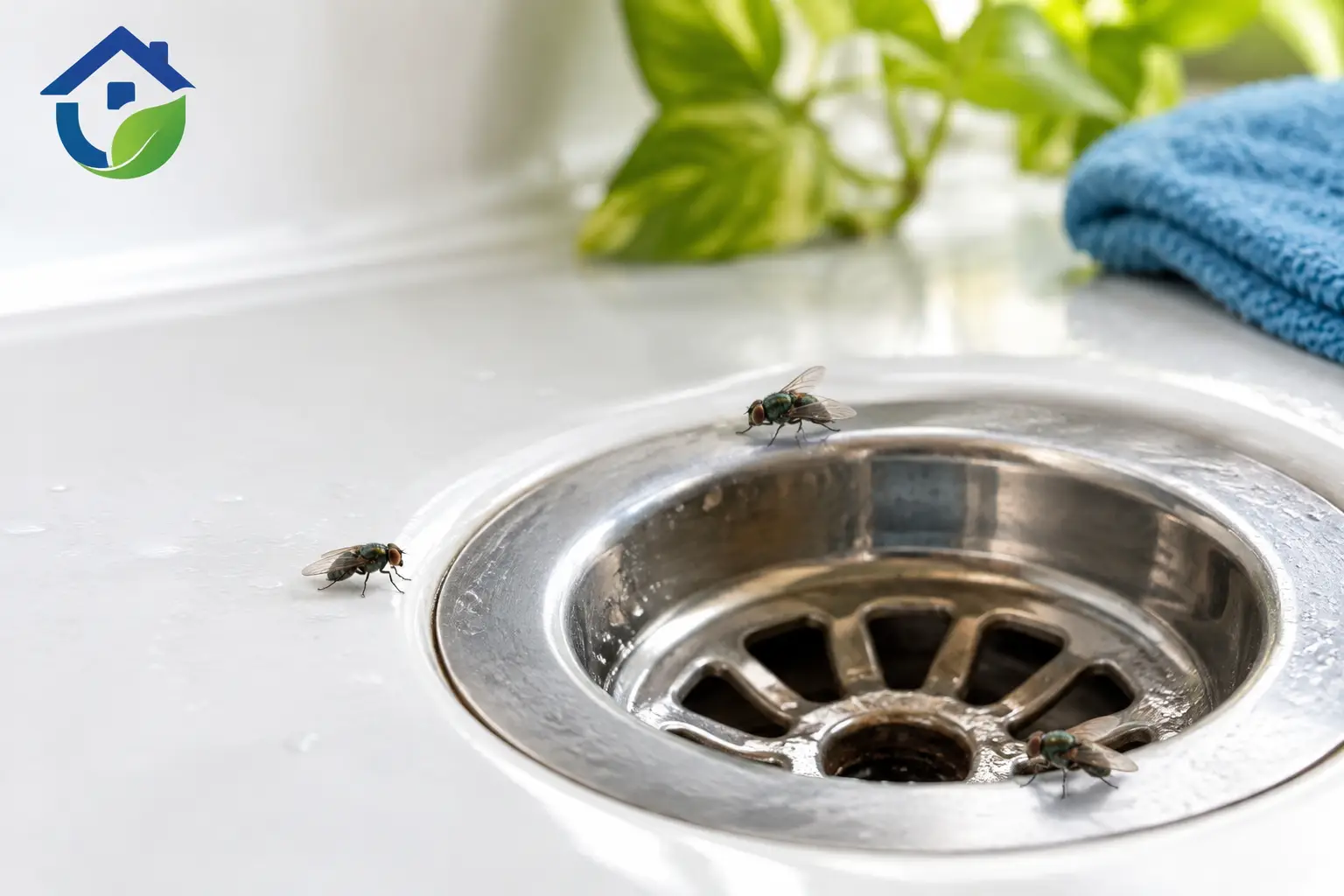
The manager first noticed a few small flies around the dish area during closing shifts. Within days, staff also reported occasional cockroach activity near a floor drain and beneath shelving in the dry-storage area. There were no reports from diners yet, but the manager understood the risk. Waiting for a visible problem in the dining room was not an option.
The restaurant had already taken reasonable first steps. Employees emptied trash nightly, wiped prep surfaces, and kept food in containers. But pest pressure is rarely caused by one missed cleaning task. In a commercial kitchen, moisture, tiny food residues, drain buildup, delivery traffic, and gaps around utility lines can combine into a problem that routine cleaning alone cannot solve.
The manager needed three things in order: a prompt inspection, a treatment plan that respected a food-service environment, and a prevention process the staff could realistically maintain during a busy week.
Restaurant Pest Control Case Study: The Inspection
A proper restaurant inspection does more than look for a live insect. The goal is to identify pest species, activity levels, likely entry points, food and water sources, and conditions that allow activity to continue. Treating the visible pest without correcting those conditions may create a short-term improvement, but it does not protect the restaurant over time.
The inspection in this case focused on the kitchen, dish area, storage rooms, bar stations, dumpsters, exterior doors, utility penetrations, and employee break areas. Monitoring devices helped identify where activity was concentrated and whether pests were moving along walls, plumbing lines, or equipment edges.
The most significant findings were not dramatic. A slow drip beneath a sink was keeping one cabinet area damp. A floor drain had organic buildup that attracted small flies. Several cartons from deliveries had been stored too close to the wall, making inspection and cleaning harder. There was also a worn door sweep at a rear service entrance, which created an easy route for crawling pests.
This is a common restaurant lesson: pest control is not just about what is sprayed or placed. It is about reducing the conditions pests use to survive.
A Targeted Plan That Kept Service Moving
The restaurant could not close for days or disrupt dinner service. The response plan was scheduled around its operating hours and built around targeted treatments, monitoring, exclusion work, and sanitation recommendations. That approach is especially important around food, equipment, staff, and guests.
Treatment concentrated on identified harborage areas rather than relying on a broad, one-size-fits-all application. The technician addressed cracks and voids around plumbing, areas beneath equipment, storage edges, and the specific zones where monitoring showed activity. Fly activity was handled by addressing the source conditions, particularly drain maintenance and moisture, rather than simply treating the adult flies seen in the room.
The rear door sweep was replaced, and the team was asked to keep exterior doors closed except during active loading. The manager also adjusted the delivery process so incoming boxes were inspected and moved away from walls as soon as possible. These were small operational changes, but they removed two common pathways for pests to enter and hide.
A good commercial pest control plan should fit the facility. A restaurant with a late-night kitchen, a heavy bar program, or frequent deliveries may need a different service schedule than a smaller cafe with limited food preparation. The right plan depends on the building, pest pressure, sanitation practices, and how the restaurant operates from open to close.
Staff Follow-Through Made the Difference
The manager assigned simple responsibilities instead of handing the team an unrealistic checklist. Closing staff checked for standing water under sinks and behind movable equipment. The dish crew followed a drain-cleaning schedule. Dry-storage employees kept products elevated and away from walls. Managers reviewed pest sighting logs at shift meetings so new activity could be reported quickly.
That reporting process mattered. Restaurant employees are often the first people to spot a change, whether it is a fly increase around a drain, signs of rodent activity near a delivery door, or insects emerging from a hidden void. Staff should not have to guess whether a sighting is serious. A clear reporting path helps a pest professional investigate early, before activity spreads.
The restaurant also learned that chemical treatment and sanitation are partners, not substitutes. Even the best treatment has limits if moisture remains available, trash areas are neglected, or clutter creates protected hiding spots. On the other hand, cleaning alone may not reach pests already established inside wall voids, equipment gaps, and other inaccessible areas. Effective control requires both.
What Changed Over the Next Few Weeks
At the follow-up visit, monitoring showed a sharp reduction in crawling pest activity. Fly pressure also declined after drain service and moisture corrections were put in place. The technician adjusted the service plan based on what the monitoring showed rather than assuming the first visit had solved every issue.
That follow-up is where many restaurant pest problems are won or lost. Pest activity can shift as weather changes, food deliveries increase, or a new leak develops. Regular inspections make it possible to catch those changes early. They also create documentation that helps managers demonstrate a consistent sanitation and prevention effort.
The restaurant did not need a complicated system. It needed accountability: routine monitoring, quick response when activity appeared, targeted service, and staff habits that supported the plan. Within weeks, the manager had fewer employee sightings, cleaner problem areas, and more confidence that a small issue would not become a customer-facing crisis.
What Restaurant Operators Can Take From This Case
The biggest takeaway from this restaurant pest control case study is that speed matters, but guessing does not help. When pests appear, an inspection should identify the source before treatment decisions are made. A technician should be able to explain what was found, why it matters, what will be treated, and what the restaurant team can do between visits.
Restaurants should also avoid treating pest control as an emergency-only expense. Emergency service is valuable when activity is urgent, but ongoing prevention is usually the better way to protect food, staff, guests, and online reputation. It creates a baseline, catches trends, and reduces the chance that a minor moisture or exclusion issue becomes a larger infestation.
For Florida restaurants, that prevention has to account for local conditions. Heat, rain, humidity, dense vegetation, and year-round pest activity can put constant pressure on kitchens, dumpsters, patios, and delivery entrances. There is no off-season for sanitation standards or pest awareness.
Florida Bug Control helps commercial food-service operators respond quickly with safe, targeted pest management and practical prevention guidance. There are no restrictive contracts, and if pests come back, so do we. A restaurant should never have to choose between keeping service moving and taking a pest concern seriously.
The best time to address a pest concern is when it is still a staff observation, not a guest complaint. A fast inspection and a clear plan can protect far more than a kitchen – they protect the trust guests place in every meal you serve.