A roach sighting in the kitchen at 2 a.m. is rarely an isolated event. In Gainesville, warmth, humidity, afternoon rain, and plentiful hiding places give roaches the conditions they need to settle in fast. The most effective Gainesville roach prevention tips focus on removing the three things they depend on: food, water, and easy access indoors.
Prevention does not require a perfect house or a constant cleaning routine. It requires paying attention to the small conditions roaches use to survive, especially around kitchens, bathrooms, laundry rooms, garages, and outdoor trash areas. A few targeted habits can make your home or business far less inviting.
Gainesville Roach Prevention Tips Start With Moisture
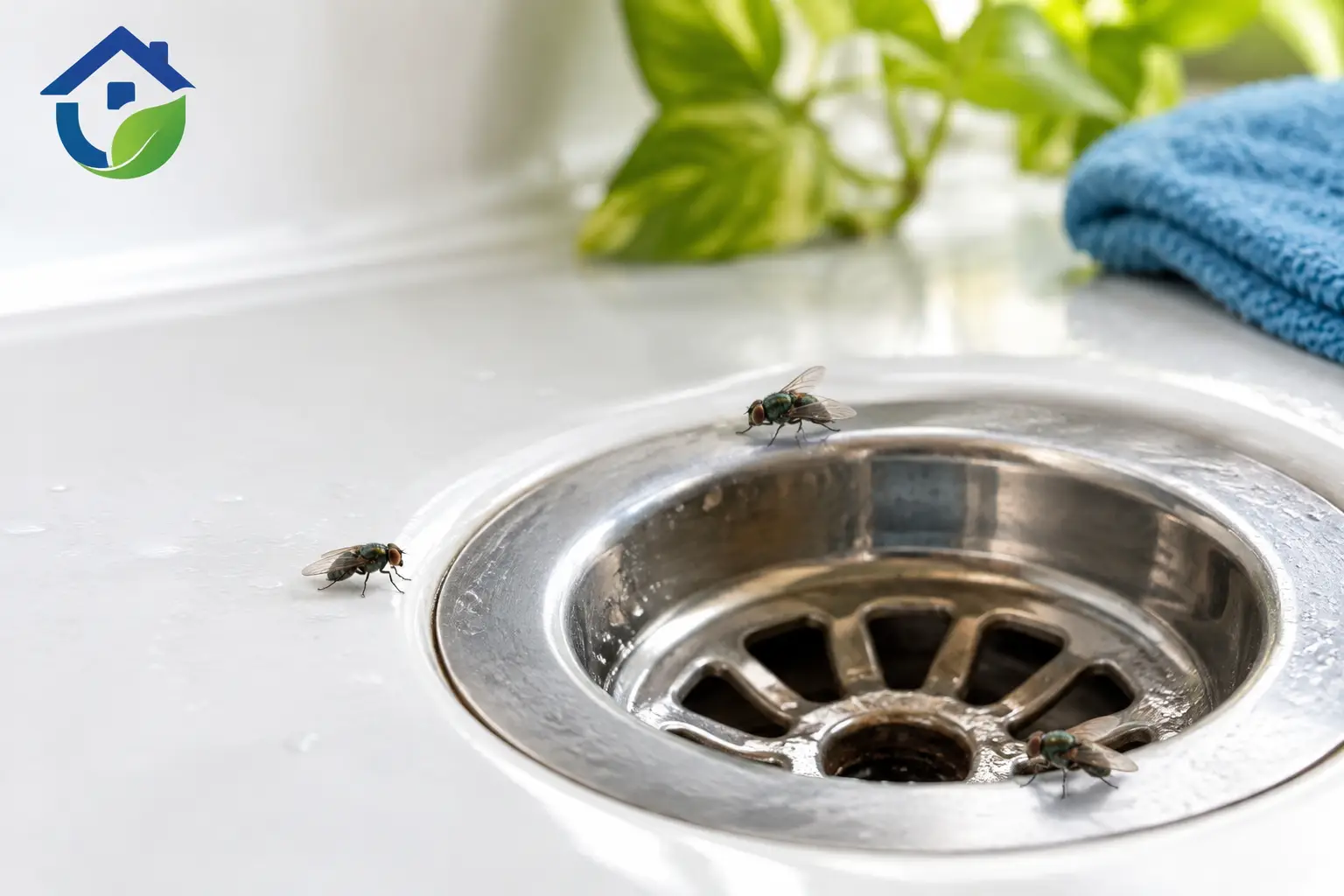
Roaches can go a long time without food, but they need water. That is why a minor plumbing leak or a damp cabinet can support activity long before anyone notices a roach in the open.
Check beneath kitchen and bathroom sinks for drips, pooled water, or swollen cabinet material. Inspect refrigerator water lines, dishwasher connections, washing machine hoses, and the area around water heaters. Dry spills promptly, and avoid leaving pet water bowls full overnight if roach activity is a concern. In a commercial setting, make closing checks part of the routine for mop sinks, floor drains, beverage stations, and dishwashing areas.
Florida humidity adds another layer to the problem. Run bathroom exhaust fans during and after showers, repair slow drains, and make sure laundry areas have adequate airflow. A dehumidifier can help in consistently damp rooms, but it will not solve an active plumbing leak. Fix the water source first.
Keep Food From Becoming an Easy Meal
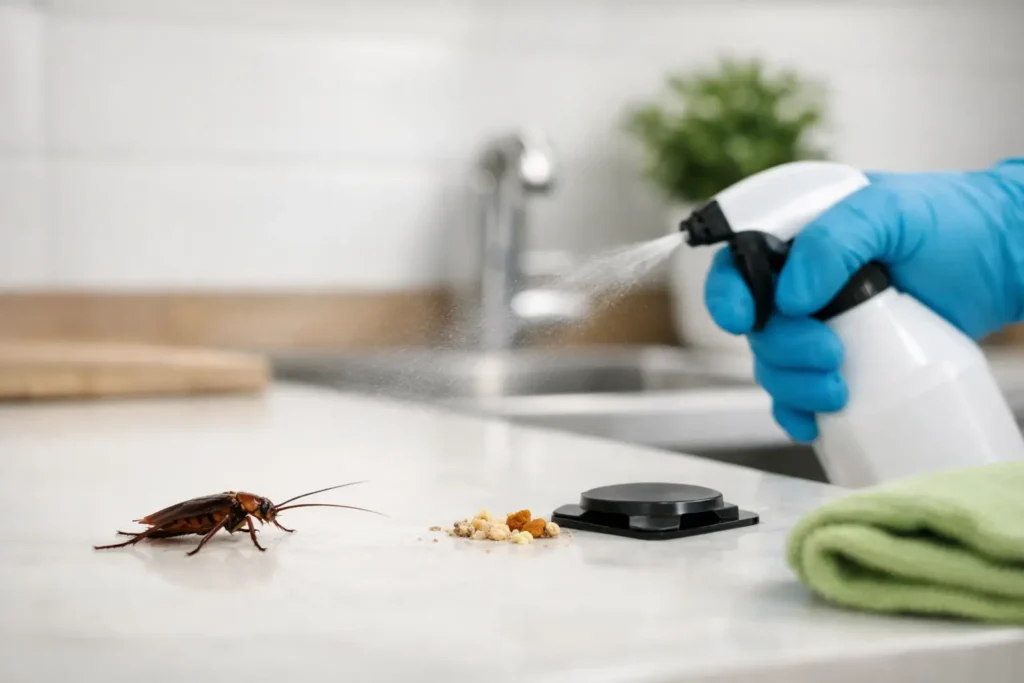
Roaches are not picky. Crumbs under a toaster, grease beside the stove, an open bag of pet food, and residue in recycling containers can all be enough to keep them fed. The goal is not to sterilize every surface. It is to eliminate dependable food sources.
Wipe counters and stovetops after cooking, including the narrow spaces around burners and appliances. Sweep or vacuum regularly, paying close attention to baseboards, dining areas, and under furniture where snacks disappear. Store dry goods, cereal, flour, and pet food in tightly sealed containers rather than thin bags or cardboard boxes.
Take garbage out regularly and use bins with lids that close securely. Rinse food containers before putting them in recycling, particularly cans, jars, and bottles. If trash must stay in a garage or utility area before collection day, keep the container closed and move it away from doors when possible.
For restaurants, break rooms, offices, and rental properties, food policies matter as much as cleaning. A forgotten lunch in a desk drawer or snack inventory stored against a wall can create a recurring issue. Make food storage and end-of-day cleanup clear responsibilities rather than assumptions.
Do Not Overlook Cardboard and Clutter
Cardboard boxes offer dark, protected spaces and can be brought inside from deliveries, storage units, or move-ins. Break down boxes promptly and remove them from the property. This is especially helpful after moving, receiving large deliveries, or restocking a business.
Clutter creates the same problem. Roaches prefer tight, undisturbed gaps near warmth and moisture. Keep storage organized, lift items off the floor when practical, and leave enough space around shelves and appliances to inspect and clean. You do not need empty rooms, but crowded storage areas should not become permanent blind spots.
Seal the Routes Roaches Use to Get Inside
Some roaches arrive through packages or shared walls, while others enter through openings around pipes, doors, vents, and utility lines. Sealing these gaps does not replace sanitation, but it reduces the number of opportunities pests have to get indoors.
Start at exterior doors. Replace worn weatherstripping, repair damaged door sweeps, and make sure doors close tightly. Screens on windows, vents, and crawl-space openings should fit securely without tears. Around the home, seal gaps where plumbing and cables enter walls, along baseboards, and behind appliances. Use the appropriate sealant for the surface and leave access points that need servicing reachable.
Pay extra attention to attached garages, patios, and areas near mulch or dense landscaping. Keeping leaf litter, stacked materials, and debris away from the foundation reduces protected hiding spots near the building. Exterior lighting can also draw insects that become food for other pests, so use lighting thoughtfully around entrances and service doors.
In apartments, condos, and commercial buildings, exclusion takes coordination. A clean unit or suite can still be affected by neighboring activity, shared pipe chases, trash rooms, and utility penetrations. Property managers should address building-level gaps and sanitation concerns, not simply treat the room where a complaint was reported.
Use Products Carefully, Not Repeatedly
Store-bought sprays can kill a roach you see, but they often do little for the hidden population. Worse, heavy or repeated spraying in the wrong areas can push roaches deeper into wall voids, cabinets, or nearby rooms. Foggers are also a poor fit for most indoor roach problems because they do not reliably reach protected harborages and can leave unnecessary residue.
If you choose a consumer product, read and follow the label exactly. Keep treatments away from food-contact surfaces, children, and pets as directed. Avoid combining products or applying more than the label allows. The right approach depends on the type of roach, the level of activity, where it is occurring, and whether there are sensitive areas such as kitchens, healthcare spaces, or food-handling operations.
Baits and targeted monitoring can be useful tools when used correctly, but placement matters. A bait placed where roaches are not traveling will not do much. Monitoring devices can help identify where activity is strongest and whether conditions are improving, but they should lead to action, not sit unnoticed behind a refrigerator for months.
Know the Early Signs Before the Problem Grows
Seeing a live roach is the clearest signal, but there are earlier clues. Small dark specks around cabinet hinges, under sinks, near appliances, or in pantry corners may indicate droppings. A stale, musty odor in a confined area can also accompany a larger population. Egg cases, shed skins, or repeated sightings during the day deserve prompt attention.
Daytime activity can mean roaches are competing for limited hiding space, although one daytime sighting does not automatically prove a severe infestation. The practical rule is simple: if you are seeing roaches more than once, or finding signs in several areas, do not wait for the issue to become harder to control.
For Gainesville renters, report signs quickly and document where and when you see them. For homeowners, check nearby moisture sources and food storage right away. For businesses, respond before a customer, employee, or inspector finds the problem first. Fast action protects sanitation, reputation, and peace of mind.
When Professional Roach Control Makes Sense
Prevention is most effective before a population becomes established, but professional help is the smart next step when sightings continue despite cleanup and repairs. It is also appropriate when roaches are appearing in multiple rooms, returning after do-it-yourself treatments, or affecting a multifamily property or regulated business.
A trained pest professional can identify likely entry routes and harborages, assess the conditions supporting activity, and build a treatment plan around the property rather than relying on a one-size-fits-all spray. That matters in Florida, where moisture, dense construction, landscaping, and year-round pest pressure can work against even careful property owners.
Florida Bug Control provides safe, fast, and guaranteed service for homes and businesses dealing with persistent pest pressure. If pests come back, so do we. A professional inspection can also clarify whether you are dealing with a single introduction or a broader condition that needs ongoing attention.
Tonight, take five minutes to check under the sinks, close up food, empty the trash, and look around the doors that lead outside. Those small checks are often where lasting roach prevention begins.